A great investment property can quickly become a difficult project when the planning doesn’t match reality.
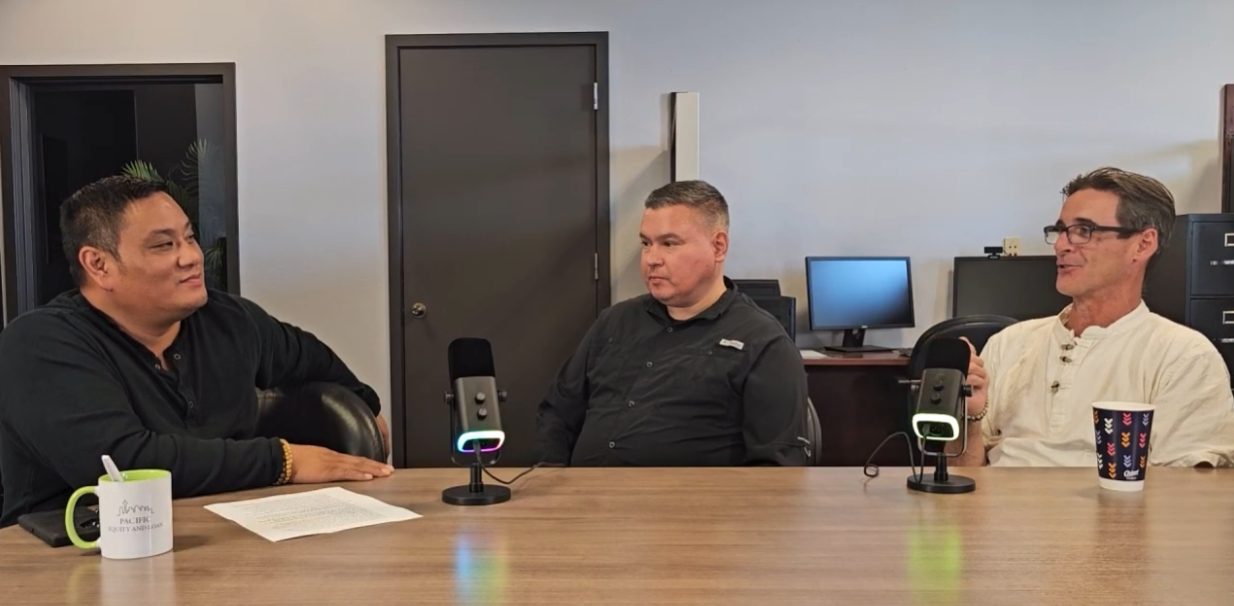
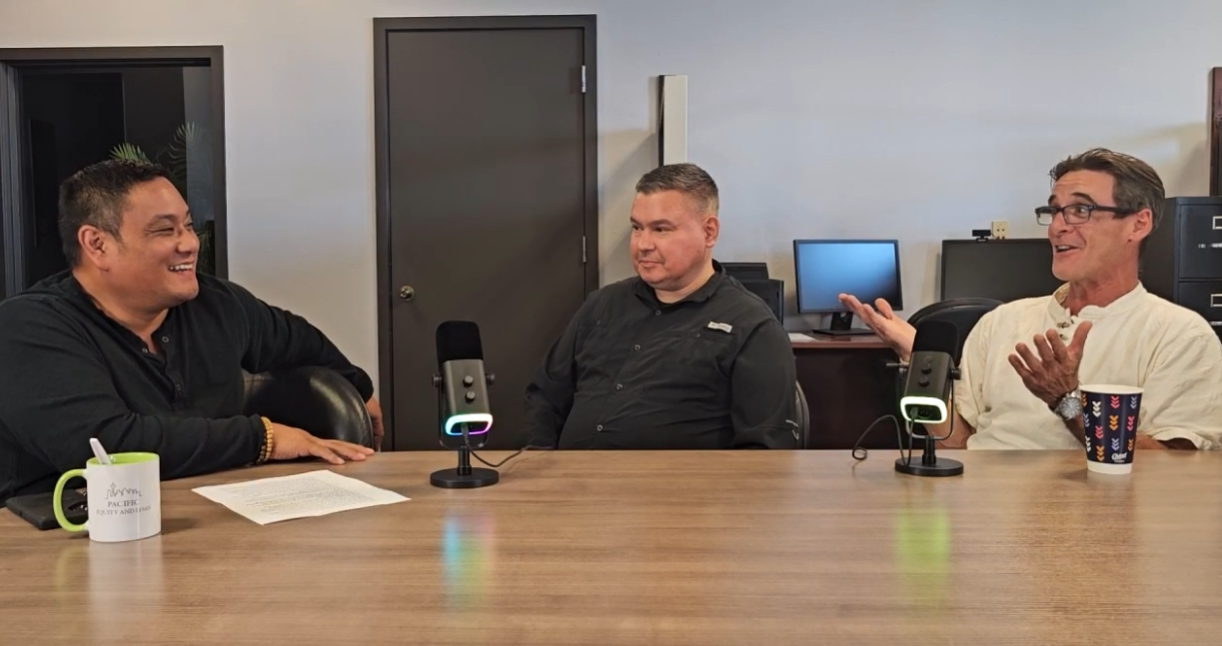
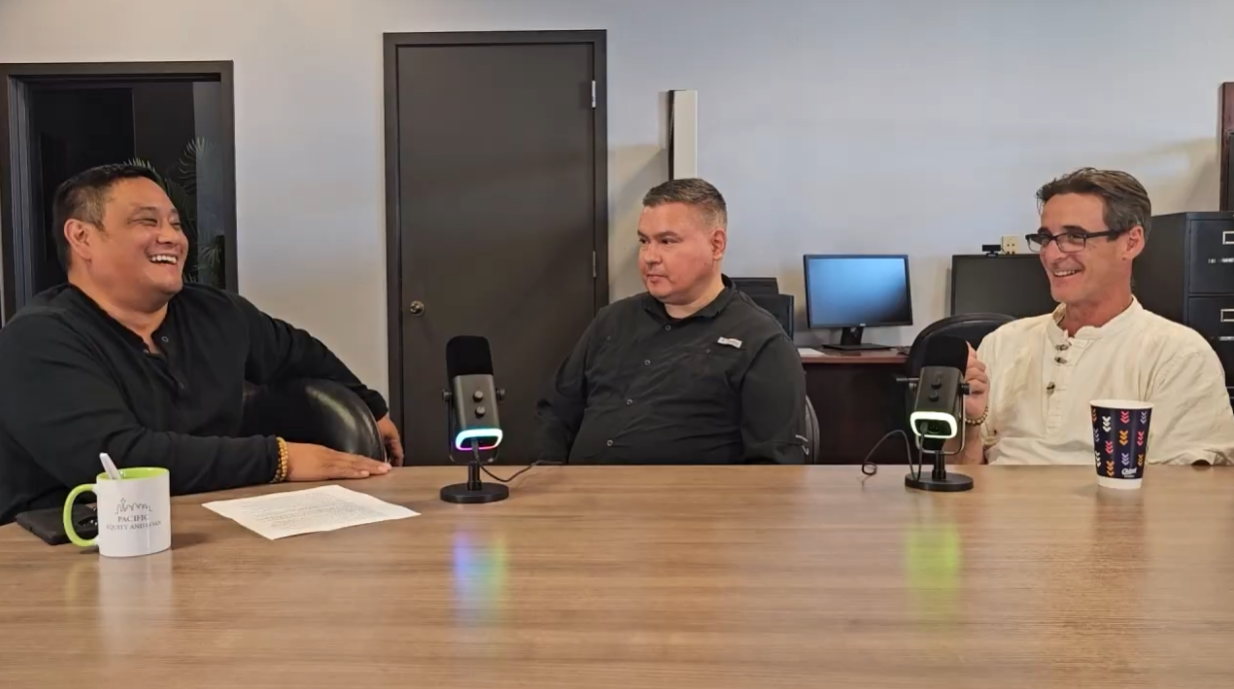
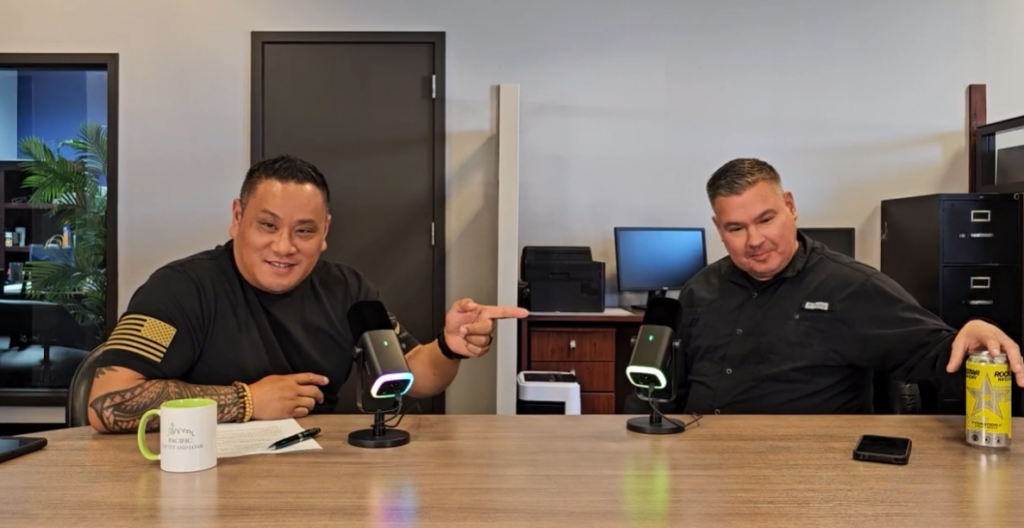
In a recent Pacific Equity & Loan podcast conversation, Jason shared lessons from years of working in construction and real estate. One theme came up repeatedly: what happens before construction starts can have a major impact on what happens after.
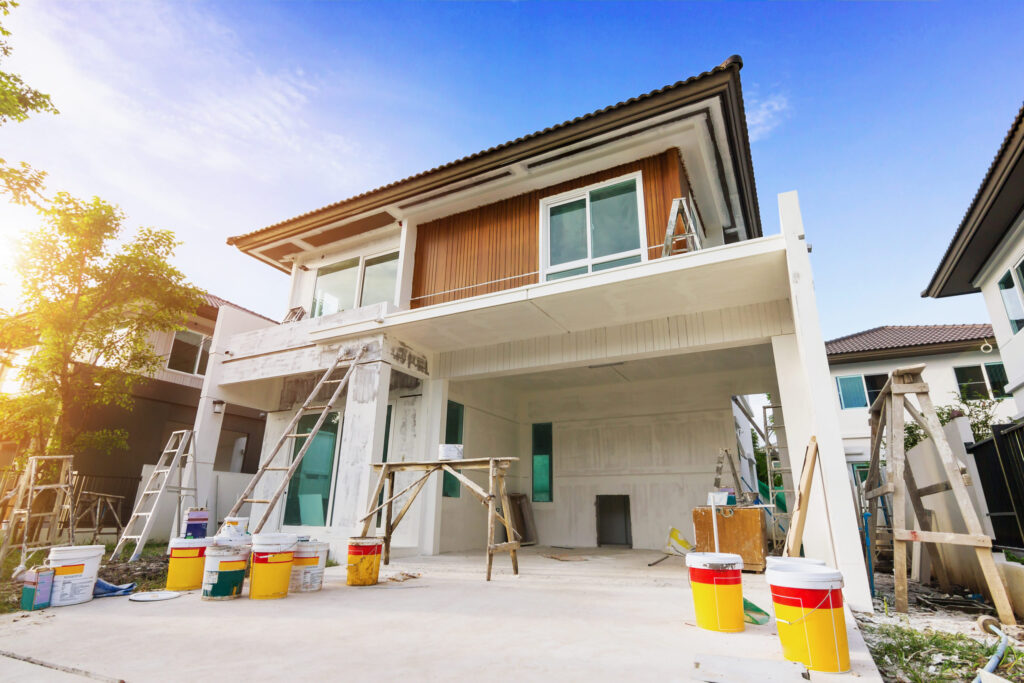
For investors planning a fix-and-flip, new construction, or major renovation, here are five mistakes worth avoiding.
🎥 Want to hear the full conversation? Watch the complete podcast on our YouTube channel. https://www.youtube.com/watch?v=rj04BAO-YDg&t=4s

Starting Without a Realistic Budget
One of the biggest mistakes investors can make is relying on a rough estimate instead of a detailed construction budget.
A project may look profitable based on the initial numbers, but costs can quickly change once the actual scope of work is reviewed.
Jason explained that budgets should be carefully examined and supported by real information, rather than simply accepting a large dollar amount as a placeholder.
Before starting, investors should have a clear understanding of:
- Materials
- Labor
- Permits
- Subcontractors
- Major renovations
- Potential problem areas
- Overall project costs
The more accurate your numbers are before construction, the better prepared you are when the work begins.

Underestimating the Importance of the Schedule
A construction schedule isn’t just a list of dates.
It affects your holding costs, financing, contractor payments, resale timeline, and ultimately your potential return.
But as Jason pointed out, there is no such thing as a completely “perfect” schedule. Schedules are based on previous experience and the information available at the beginning of a project.
That’s why investors should build a realistic timeline while leaving room for unexpected delays.
A missed inspection or delayed material might seem minor, but several small delays can quickly add weeks to a project.

Choosing a Team Based Only on Price
The cheapest contractor or professional isn’t always the best choice.
Construction involves too many moving parts for a project to depend solely on the lowest bid. Experience, communication, reliability, and the ability to solve problems can be just as important.
The podcast highlighted the importance of having professionals who understand the project from multiple perspectives and can help identify potential issues before they become bigger problems.
For investors, the right team can help protect both the budget and the timeline.
👉 Contact Our Team: https://pacificequityloan.com/contact/

Keeping Problems to Yourself
When something goes wrong, it’s tempting to try to solve it quietly before telling anyone.
But that can make things worse.
The podcast emphasized the importance of communicating problems early—even when you don’t have the solution yet. Stakeholders need to understand what happened, what is being done about it, and whether the issue could affect the schedule or budget.
In other words:
Bad news doesn’t get better with time.
Early communication gives everyone more time to react and find a solution.

Giving Up When the Project Gets Difficult
Not every project will go according to plan.
Jason shared a particularly challenging project involving repeated plan revisions, engineering issues, inspection problems, traffic control challenges, budget overruns, and schedule delays.
Despite the difficulties, the project was eventually completed successfully.
The experience reinforced an important lesson for investors: a difficult project isn’t automatically a failed project.
Sometimes the budget needs to be adjusted. Sometimes the schedule needs to change. Sometimes the team needs to find a completely different solution.
What matters is continuing to work toward the best possible outcome.

The Bigger Lesson for Investors
Construction isn’t just about what happens once the contractors arrive.
It’s about what you do before they arrive.
A strong investment starts with:
✅ A realistic budget
✅ A workable timeline
✅ The right team
✅ Clear communication
✅ A plan for unexpected challenges
✅ Financing that matches the project
At Pacific Equity & Loan, we understand that investors need more than capital. They need a financing partner who understands the project and the numbers behind it.
Our team works with investors on fix-and-flip and construction projects, helping evaluate the deal and financing structure before moving forward.
👉 Have a project you’re considering? Submit your deal to PEAL and let’s take a look.
👉 Get Pre-Qualified: https://pacificequityloan.com/full-pre-qual/
👉 Contact Our Team: https://pacificequityloan.com/contact/
🎥 Want to hear the real stories behind these lessons? Watch the full podcast on our YouTube channel, where Jason goes deeper into the projects, challenges, and experiences that shaped his approach to construction and real estate. https://www.youtube.com/watch?v=rj04BAO-YDg&t=4s