Real estate projects rarely go exactly according to plan.
Budgets change. Inspections fail. Schedules get pushed. Contractors run into unexpected issues. And sometimes, a project can feel like it is fighting you every step of the way.
So, what separates a challenging project from a complete disaster?
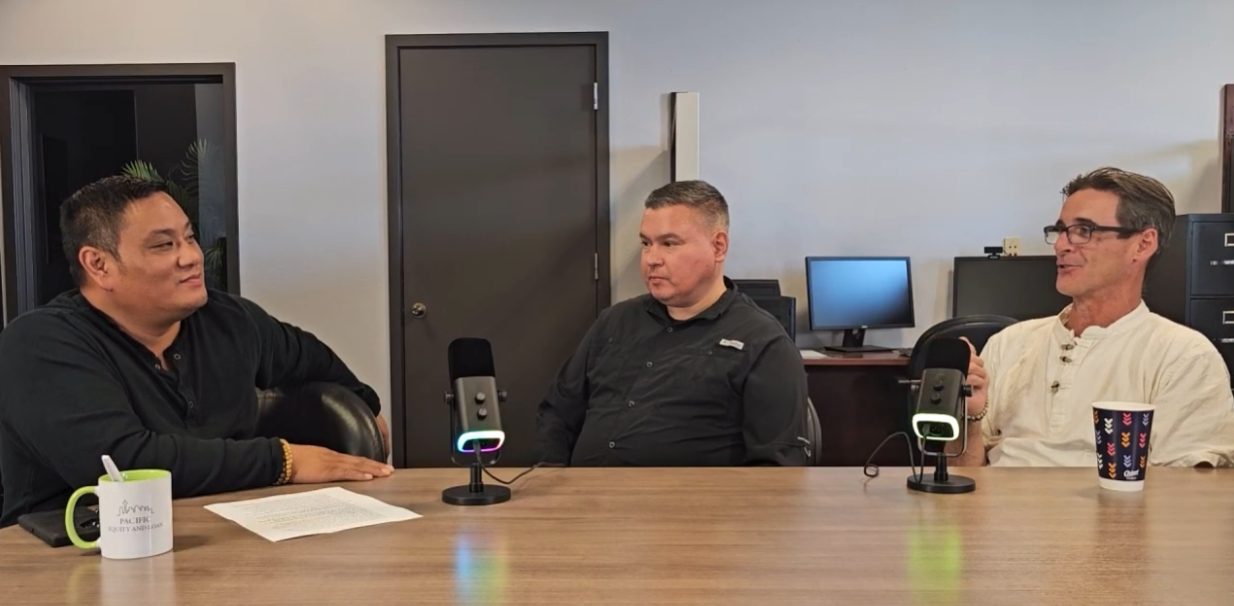
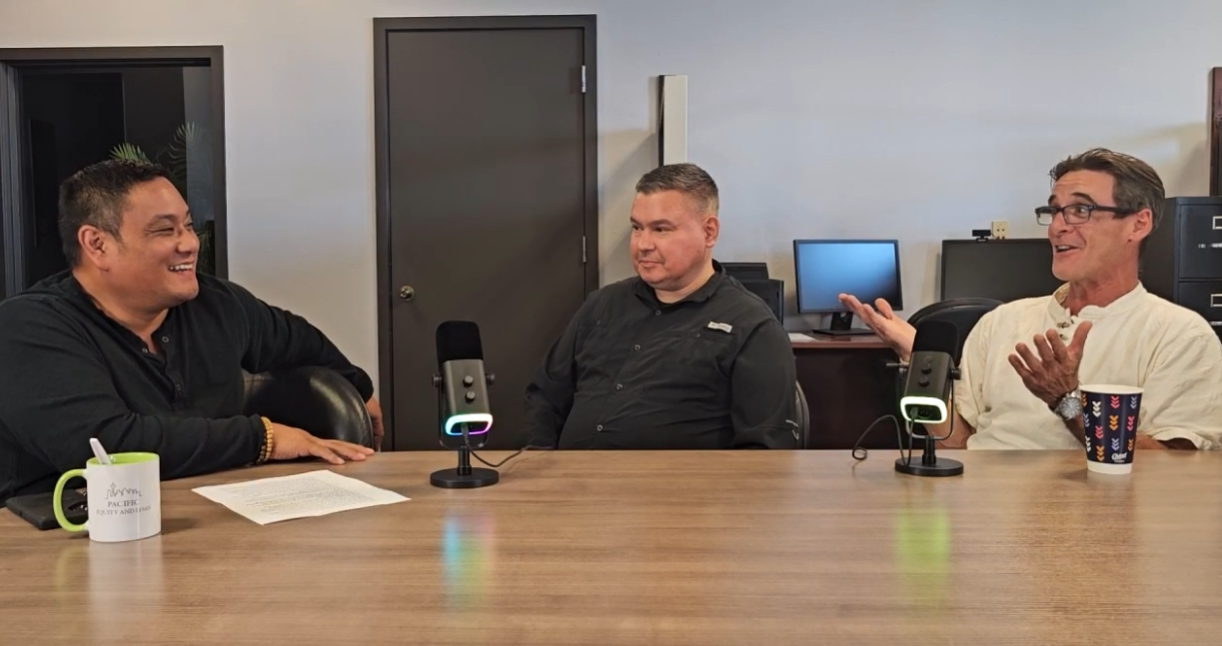
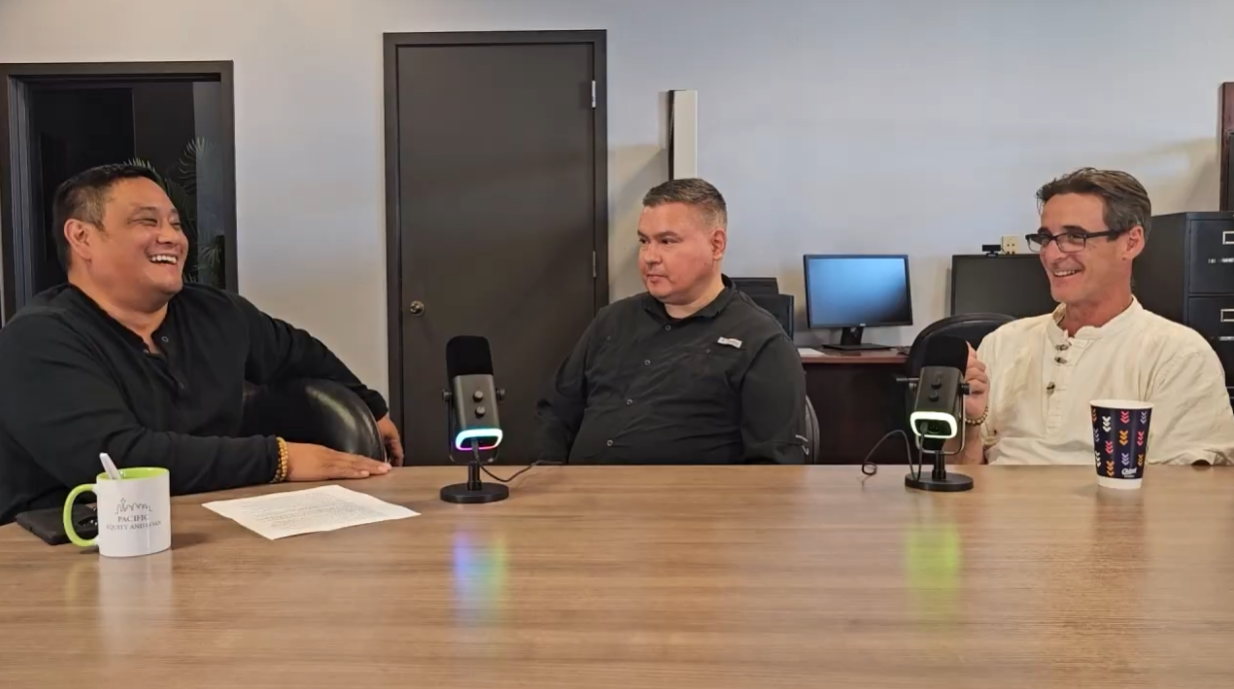
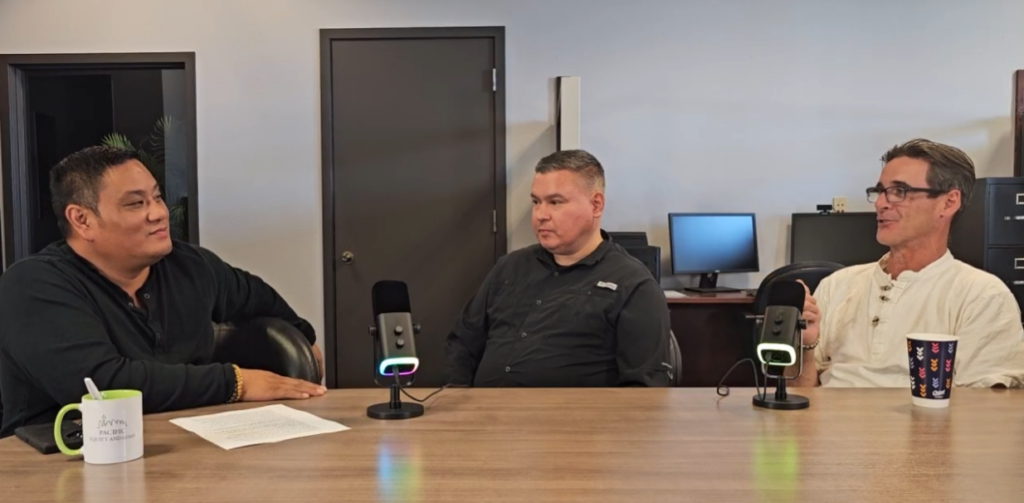
According to Jason Raren of Pacific Equity and Loan, it often comes down to planning, communication, organization, and the willingness to adapt when things don’t go as expected.
With years of experience across construction management, project management, pre-construction, custom home building, multifamily developments, remodels, and rehabilitation projects, Jason brings a builder’s perspective to the lending and underwriting process.
🎥 Want to hear the full conversation? Watch the complete podcast on our YouTube channel. https://www.youtube.com/watch?v=A9-FW7hLU4o&t=3s
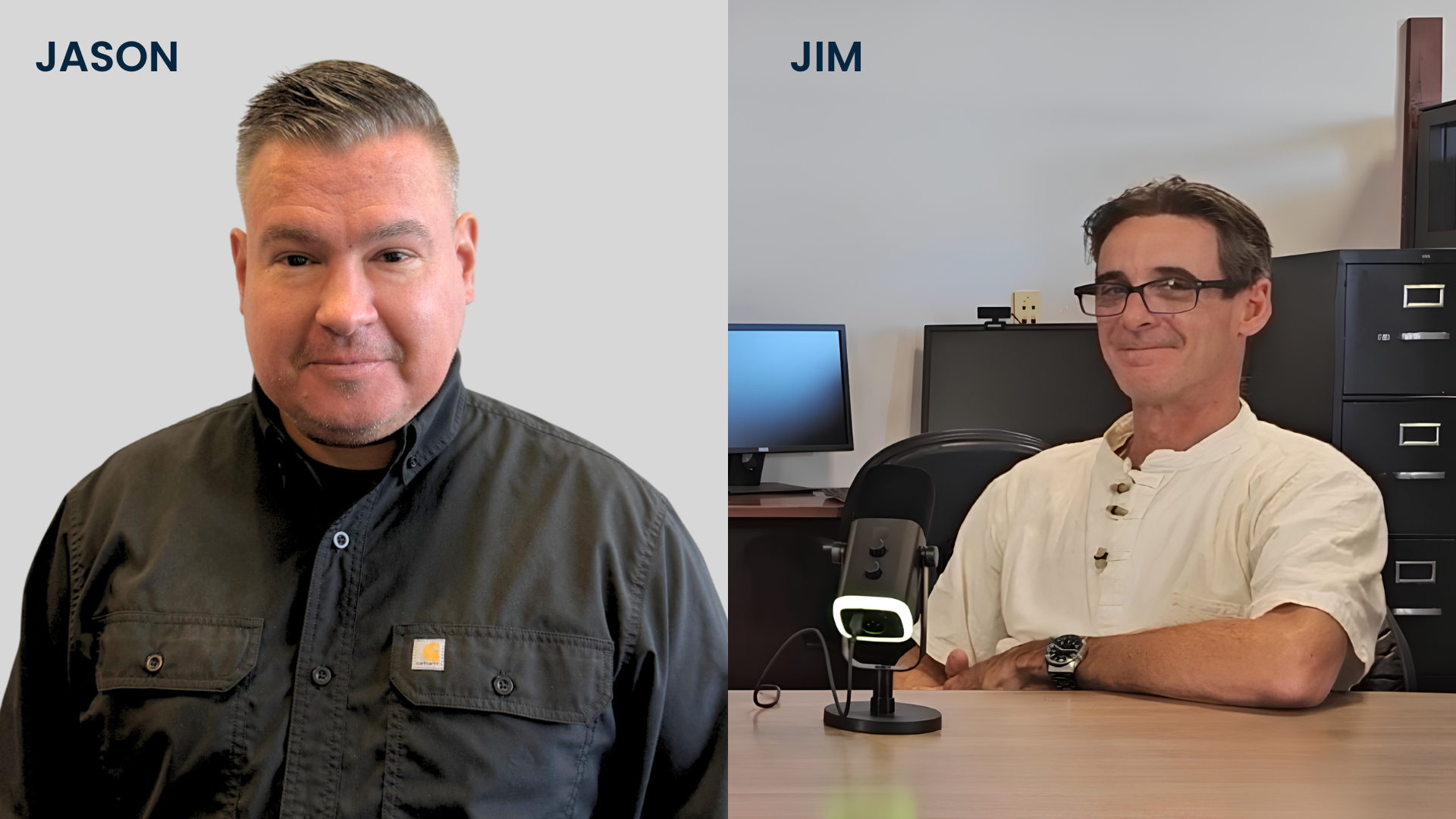
Meet the PEAL Construction Experts
Jason Rariden
Jason brings a unique combination of construction, project management, law enforcement, and lending experience. Before joining PEAL, he worked in engineering and construction project management, served in law enforcement, and later returned to construction as a superintendent and project manager.
He was also a licensed loan officer for a large retail bank, where he worked with construction loans, purchase loans, and refinance transactions.
Today, Jason combines his construction and lending background to help PEAL borrowers better understand their projects, budgets, timelines, and financing process.
Jim Boute
Jim brings more than 30 years of construction experience, including nearly 25 years working as a superintendent. He started learning drafting at a young age and has worked across residential and commercial construction.
His experience includes commercial construction in the Seattle area, residential framing and trim work, managing a self-perform construction division, and serving as a field engineer during the Husky Stadium renovation.
At PEAL, Jim uses that hands-on experience to help evaluate scopes, budgets, construction timelines, permits, and project progress.
Here are some of their biggest lessons for real estate investors and project partners.
Permits Can Protect Your Project
Permits aren’t just paperwork. Depending on the project and jurisdiction, permits can address important safety and construction requirements.
Skipping required permits can potentially result in stop-work orders, delays, additional costs, and complications when selling the property.
Jason and Jim recommend understanding permit requirements before construction begins and working with the appropriate local authorities and professionals to confirm what your project requires.

Understanding the Draw Process
The podcast also covers an often-overlooked part of construction financing: draws.
Jason explains why clear documentation, inspection reports, photos, borrower communication, and project updates are important when reviewing draw requests.
For borrowers, this means keeping good records and communicating clearly can help everyone understand where the project stands and what has been completed.
At PEAL, the goal isn’t simply to approve or deny a draw. It’s to understand the full picture and help keep the project moving while protecting the investment.

Think Like a Partner, Not Just a Borrower
One theme that comes up repeatedly in Jason’s approach is the importance of changing the relationship between lenders and investors.
Instead of thinking:
“We’re the lender and you’re the borrower,”
think:
“We’re partners working toward a successful project.”
From underwriting to construction, different parties often see the same project from completely different perspectives. A builder thinks about construction. An investor thinks about the deal and the return. A lender thinks about risk, the project, and the exit strategy.
Bridging those perspectives can help everyone understand the same project more clearly.
Jason describes his role as something of a translator between the construction side and the lending side—using his construction experience to understand what a project partner is trying to accomplish while also understanding what the lender needs to see.
👉 Ready to discuss your next project?
👉 Get Pre-Qualified: https://pacificequityloan.com/full-pre-qual/

Projects Don't Always End Perfectly
Jason shared a particularly difficult project from his construction career: a condo project in downtown Bellevue.
The project faced multiple challenges, including:
- Plan revisions
- Engineering issues
- Traffic-control complications
- Right-of-way challenges
- Repeated inspection failures
- Schedule delays
- Budget overruns
- Friction between project stakeholders
At one point, Jason considered walking away. Ultimately, he stayed and completed the project. The project did not finish perfectly. It went over budget, exceeded the expected schedule, and resulted in penalties and additional costs.
But Jason still considers completing the project an important professional lesson.
Why?
Because projects become part of your experience, portfolio, reputation, and track record. Sometimes success doesn’t mean everything went according to plan. Sometimes success means you recognized the problems, adapted, and finished the job.

Always Be a Student
One of Jason’s biggest lessons is simple:
Never stop learning.
Construction and real estate investing are constantly changing.
Building codes change. Design requirements change. Materials change. Environmental considerations change. Markets change. No matter how much experience someone has, there is always something new to learn.
Jason emphasizes the value of working with professionals who specialize in areas such as:
- Architecture
- Structural engineering
- Civil engineering
- Geotechnical engineering
- Construction
- Real estate
- Lending
Learning from specialists—and learning from your own mistakes—can help investors make better decisions on future projects. Experience matters. But the willingness to keep learning matters too.

Scaling Starts From the Inside
For investors and businesses looking to grow, Jason compares scaling to construction itself.
You need a plan before you build.
Growing from a small operation into a much larger business isn’t simply about finding more projects.
You also need the internal capacity to execute them.
That means developing:
- Strong systems
- Reliable teams
- Repeatable processes
- Financial controls
- Project-management capabilities
- Contractor relationships
- Communication systems
If you take on more projects before your internal infrastructure is ready, growth can quickly turn into overextension. The goal isn’t simply to acquire more projects. It’s to build the capacity to successfully execute them.
How Pacific Equity & Loan Can Help
Real estate investing involves more than finding a property and securing financing.
PEAL takes a business-opportunity approach to lending, working to understand the project itself—its scope, budget, timeline, experience requirements, and overall plan.
Whether you’re planning a fix and flip, new construction, or another investment project, the PEAL team can help you think through the financing side while experienced professionals like Jason and Jim bring construction knowledge to the conversation.
The goal is straightforward:
If your project succeeds, everyone benefits.
Planning Your Next Investment Project?
Don’t wait until construction starts to start planning.
If you’re considering a fix and flip or new construction project, connect with the PEAL team to discuss your project, financing needs, scope, and numbers.
Your next project starts with a plan. Build the plan before you build the property.
👉 Get Pre-Qualified: https://pacificequityloan.com/full-pre-qual/
👉 Contact Our Team: https://pacificequityloan.com/contact/

Watch the Full Podcast Episode
There’s much more to the conversation than we can cover in one blog post.
Jason and Jim share real-world stories, construction lessons, draw-process insights, permitting advice, and practical tips for investors preparing for their next project.
Watch the full podcast episode to hear the conversation and learn directly from their experience.
Whether you’re an experienced investor or preparing for your first project, you’ll walk away with practical questions to consider before breaking ground.
https://www.youtube.com/watch?v=A9-FW7hLU4o&t=3s