Finding a property at the right price is only the beginning of a successful real estate investment.
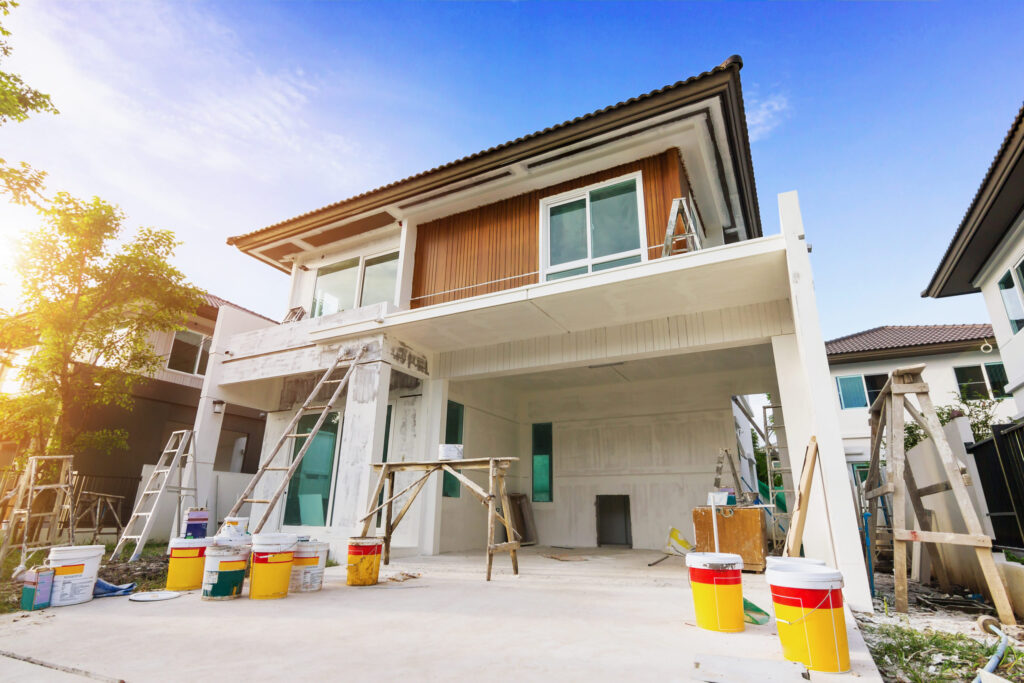
On paper, a fix-and-flip or construction project might look like a great opportunity. The purchase price makes sense, the projected resale value looks strong, and the estimated profit seems attractive.
But what happens when the actual project starts?
Costs change. Timelines stretch. Contractors come in higher than expected. Materials cost more. Unexpected issues show up. And suddenly, the profit that looked so good on the original spreadsheet starts shrinking.
So, what separates a profitable investment from a project that barely breaks even? It often comes down to how well the investor understands the numbers before committing to the project.
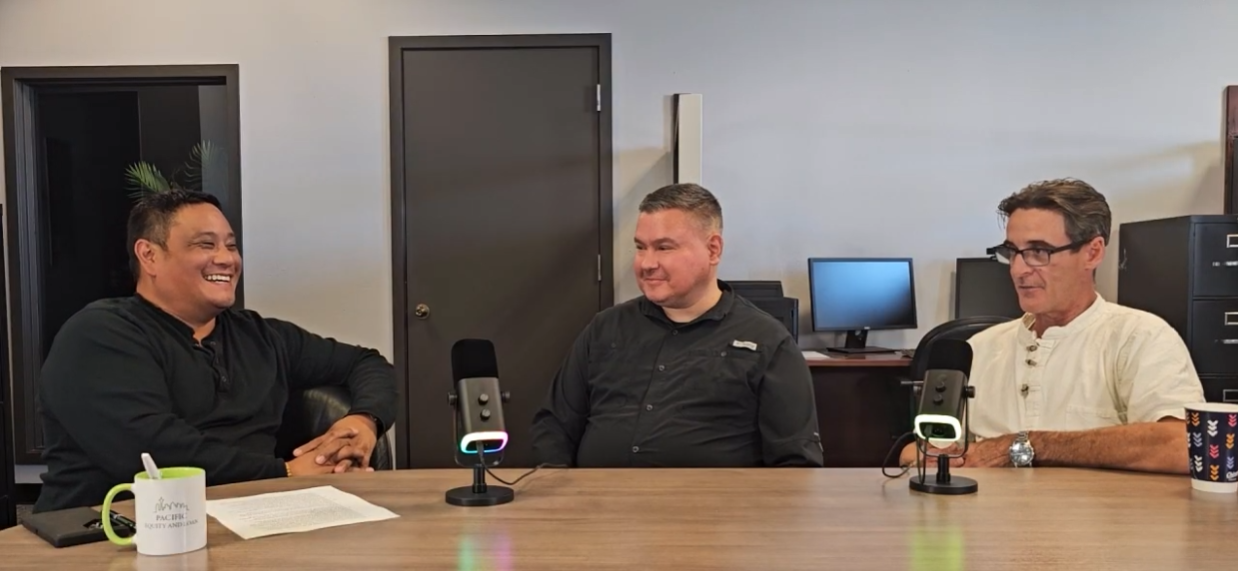
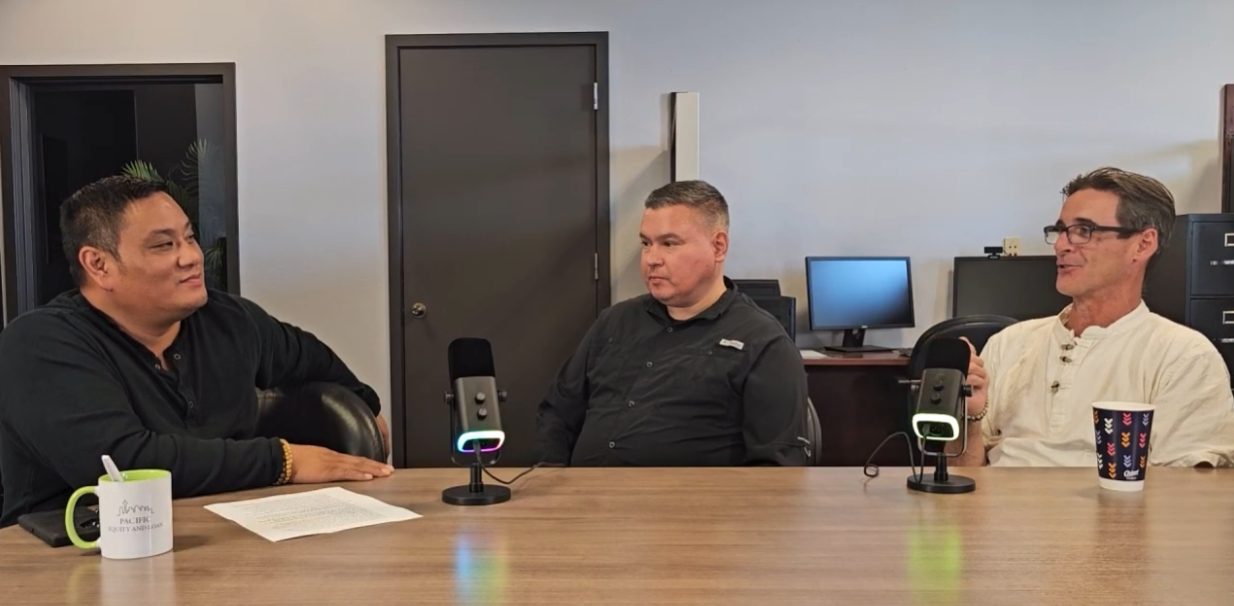
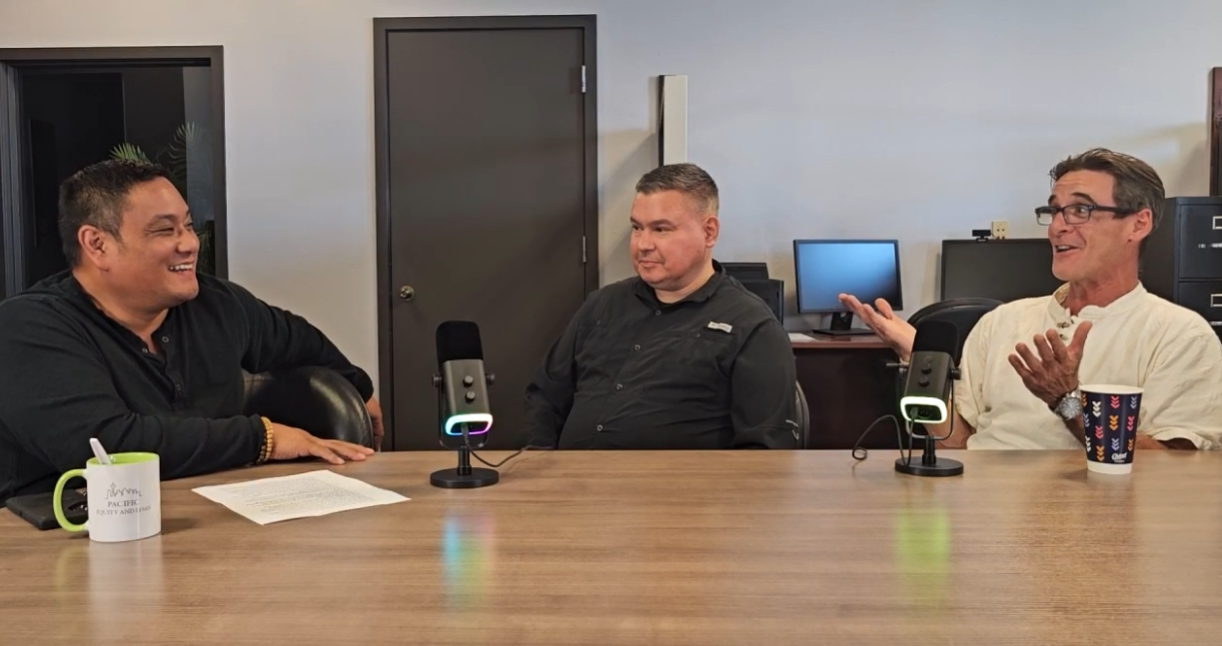
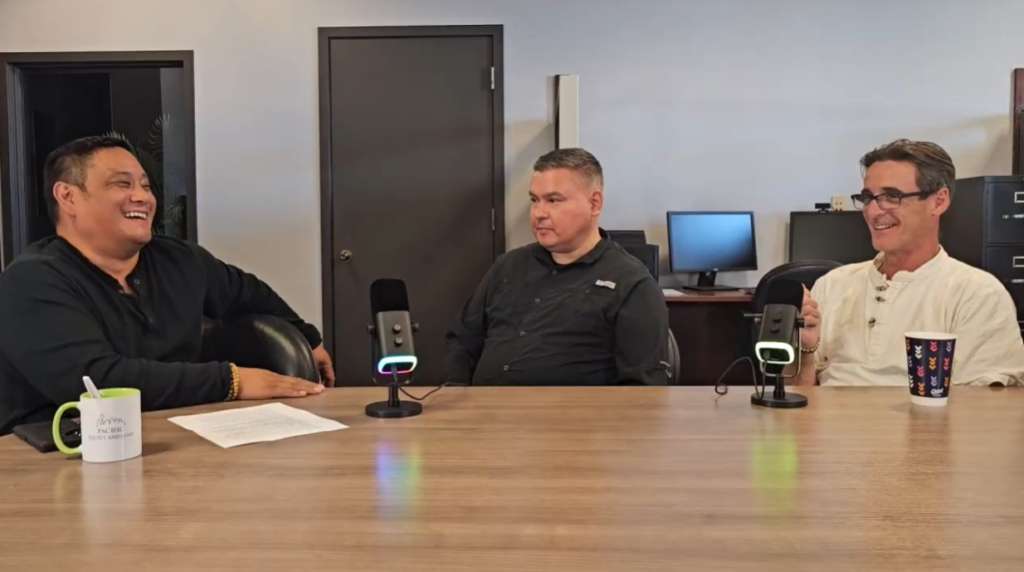
🎥 Want to hear the full conversation? Watch the complete podcast on our YouTube channel. https://www.youtube.com/watch?v=A9-FW7hLU4o&t=3s

The Problem With Looking Only at the Purchase Price
One of the biggest mistakes investors can make is focusing too heavily on the acquisition price.
Getting a property below market value is great but the purchase price is only one piece of the investment.
Investors also need to think about:
- Renovation or construction costs
- Financing costs
- Permits and fees
- Contractor and subcontractor costs
- Materials
- Holding time
- Insurance and taxes
- Closing and selling costs
- Potential unexpected expenses
A deal can have a great purchase price and still become unprofitable if the other numbers aren’t realistic. That’s why looking at the entire project is so important.
Your Estimated Profit Isn't Your Guaranteed Profit
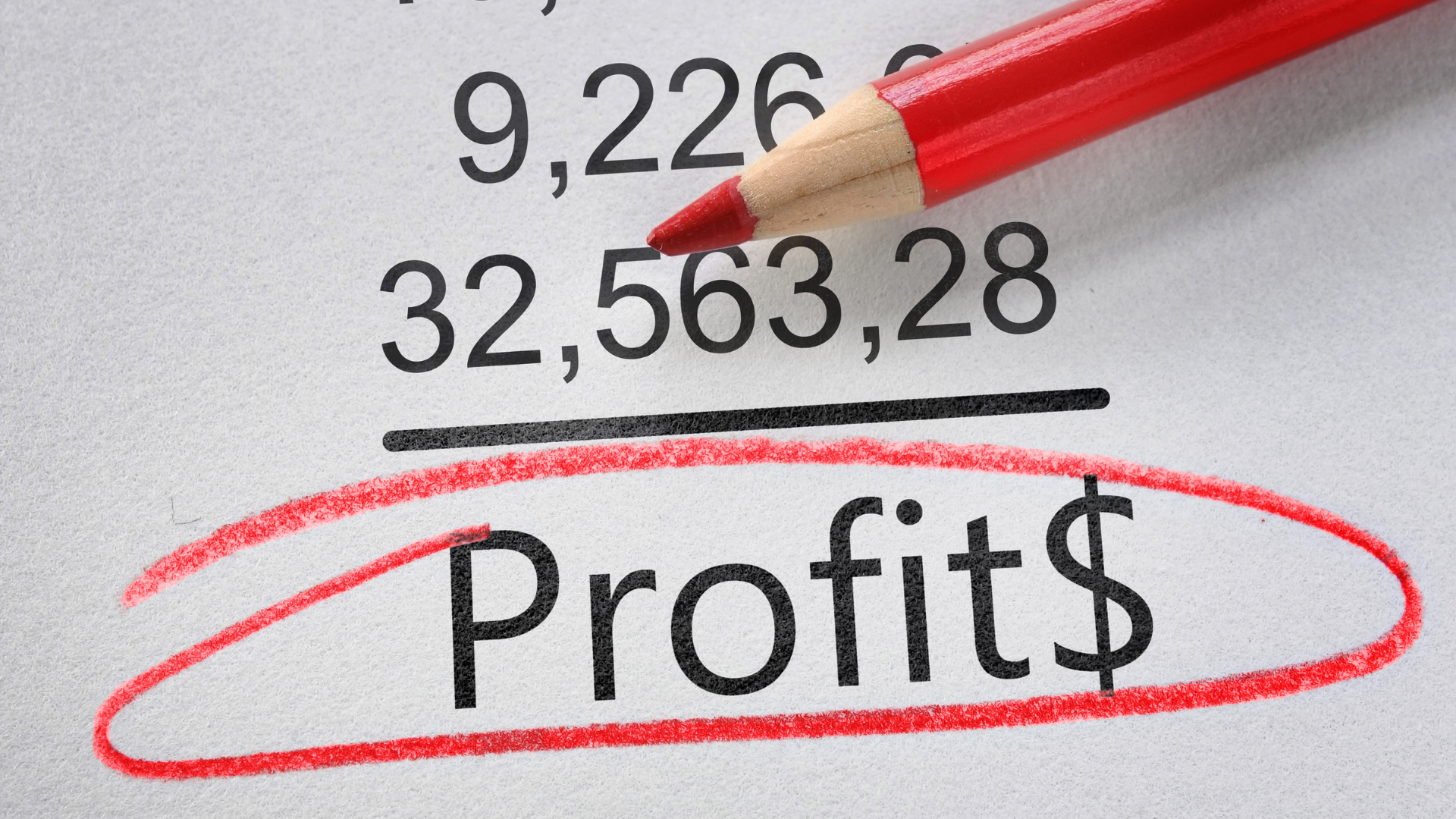
A projected $100,000 profit can look exciting on a spreadsheet.
But what if the project takes two extra months?
What if construction costs $15,000 more than expected?
What if the investor makes several design changes halfway through the renovation?
What if the original scope of work wasn’t detailed enough and costs start creeping up?
These individual changes may seem manageable, but together they can significantly affect the bottom line.
In the podcast discussion, the PEAL team highlighted how vague planning and constantly changing the original scope can lead to scope creep, which can quickly erode an investor’s profit margin.
The lesson is simple:
Don’t just ask, “How much can I make?” Ask, “What could cause that profit to disappear?”
The Timeline Matters More Than You Think
Time is money in real estate investing.
When you’re financing an investment property, extending the project timeline can mean carrying the property and financing longer than originally planned.
A project that was expected to take six months could become an eight- or nine-month project because of delays.
And every additional month can affect your overall returns.
The PEAL team specifically discussed how project delays can impact profitability, particularly when an investor is paying interest while construction is stalled.
That’s why having a realistic timeline isn’t just about getting the project finished sooner.
It’s about protecting the economics of the deal.
👉 Contact Our Team: https://pacificequityloan.com/contact/

Don't Underestimate the Cost of “Small” Changes
Here’s a scenario many investors can relate to:
You start with one renovation plan.
Then you think:
“Maybe we should upgrade the countertops.”
Then:
“Let’s use better flooring.”
Then:
“Since we’re already doing the kitchen, let’s move this wall.”
One decision turns into another.
Before you know it, the original budget has changed significantly.
This is why having a clearly defined scope of work is so important. The scope should give everyone a clear understanding of what the finished project is supposed to look like—not simply provide a few broad dollar amounts.
Changes aren’t always avoidable. Sometimes they’re necessary.
But investors should understand the financial impact of those changes before approving them.

Know When a Deal Is Actually Worth Doing
Another important point from the podcast was knowing your numbers well enough to question whether a project makes sense in the first place.
During the lending and underwriting process, PEAL’s team may look at the projected outcome and ask questions when the potential return doesn’t appear to justify the work, time, or risk involved.
That’s an important mindset for investors.
Not every deal needs to be done.
Sometimes the best investment decision is walking away from a project that doesn’t provide enough room for unexpected costs or delays.
A deal with a smaller projected profit but a realistic budget may ultimately be better than a deal promising a huge return based on overly optimistic assumptions.

Your Experience Should Match the Project
There’s also another factor investors sometimes overlook: experience.
A successful investor isn’t necessarily someone who takes on the biggest project.
It’s someone who understands what they can realistically manage.
The podcast discussed the importance of matching an investor’s experience with the complexity of the project—and making sure the right people are on the team when a project goes beyond the investor’s direct experience.
If you’re moving from smaller cosmetic flips into major renovations, ground-up construction, or more complex developments, your team may need to grow with you.
That could mean bringing in experienced contractors, project managers, engineers, architects, or other professionals.
Bigger isn’t always better if you’re not prepared to manage bigger.
👉 Ready to discuss your next project?
👉 Get Pre-Qualified: https://pacificequityloan.com/full-pre-qual/

A Better Way to Look at Your Next Deal
Before moving forward with your next investment property, don’t just look at the potential upside. Look at the entire picture.
Ask yourself:
- Are my renovation costs based on realistic numbers?
- Is my scope of work detailed enough?
- What could cause the project to go over budget?
- What happens if construction takes longer than expected?
- Do I have enough experience to manage this project?
- Do I have the right people on my team?
- Is there enough profit margin to make the project worth the risk?
These questions can help you move beyond simply finding a property that looks like a good deal and start evaluating whether it can actually perform as an investment.
The Bottom Line
A profitable real estate investment isn’t created by the purchase price alone.
It’s created by buying right, budgeting realistically, managing the project carefully, and understanding the risks before they happen.
As the PEAL team emphasized during the podcast, the goal isn’t simply to get a project funded. It’s to help investors understand their project and position themselves for success.
At Pacific Equity & Loan, we believe financing should be part of a bigger conversation about the opportunity not just a transaction.
Because getting the loan is one step. Making the deal work is the goal.
Planning Your Next Investment?
Whether you’re considering a fix-and-flip, new construction project, or another investment property, Pacific Equity & Loan can help you explore your financing options.
Let’s talk about your next project.
👉 Get Pre-Qualified: https://pacificequityloan.com/full-pre-qual/
👉 Contact Our Team: https://pacificequityloan.com/contact/