For real estate investors, the biggest project problems often start before construction even begins.
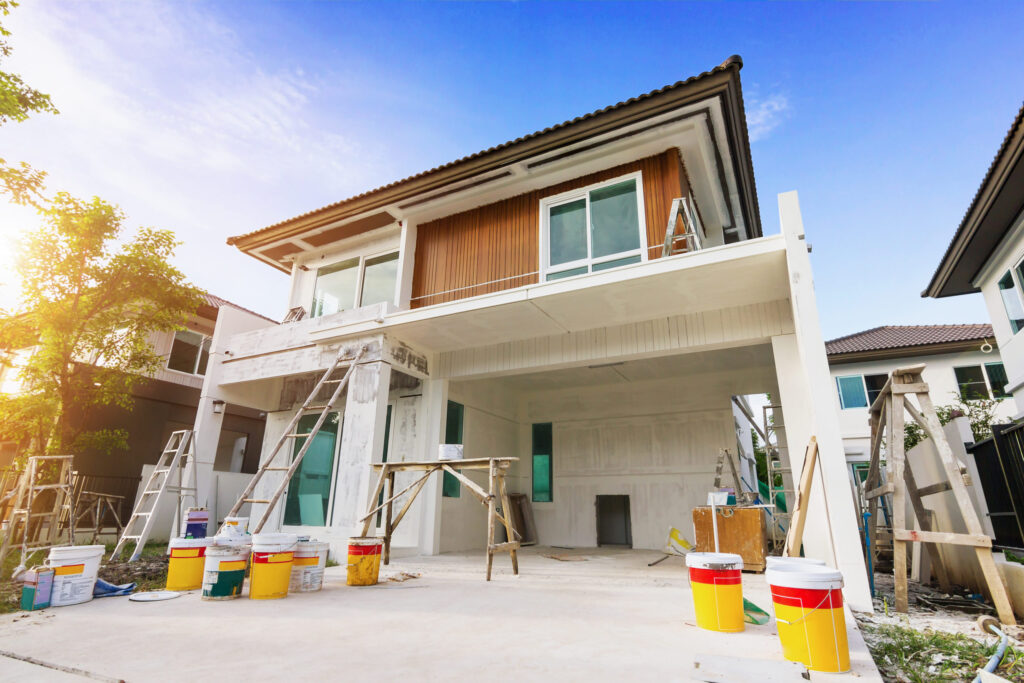
A fix-and-flip or new construction project can look great on paper, but once the work starts, unexpected costs, delays, communication issues, and unrealistic expectations can quickly eat into your profits.
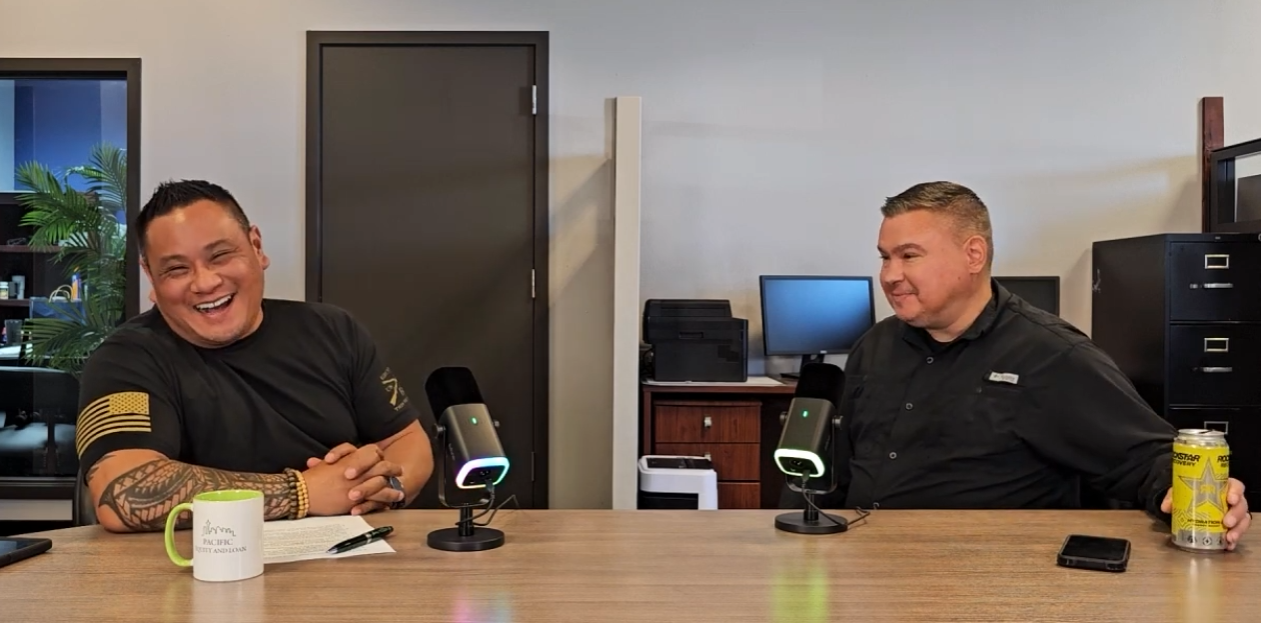
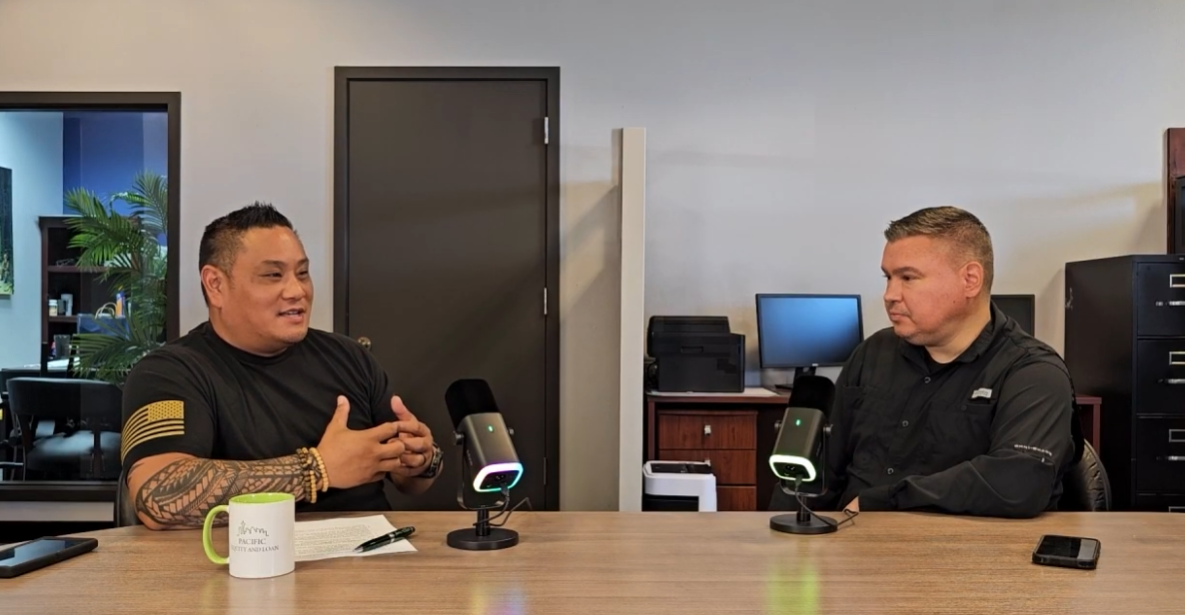
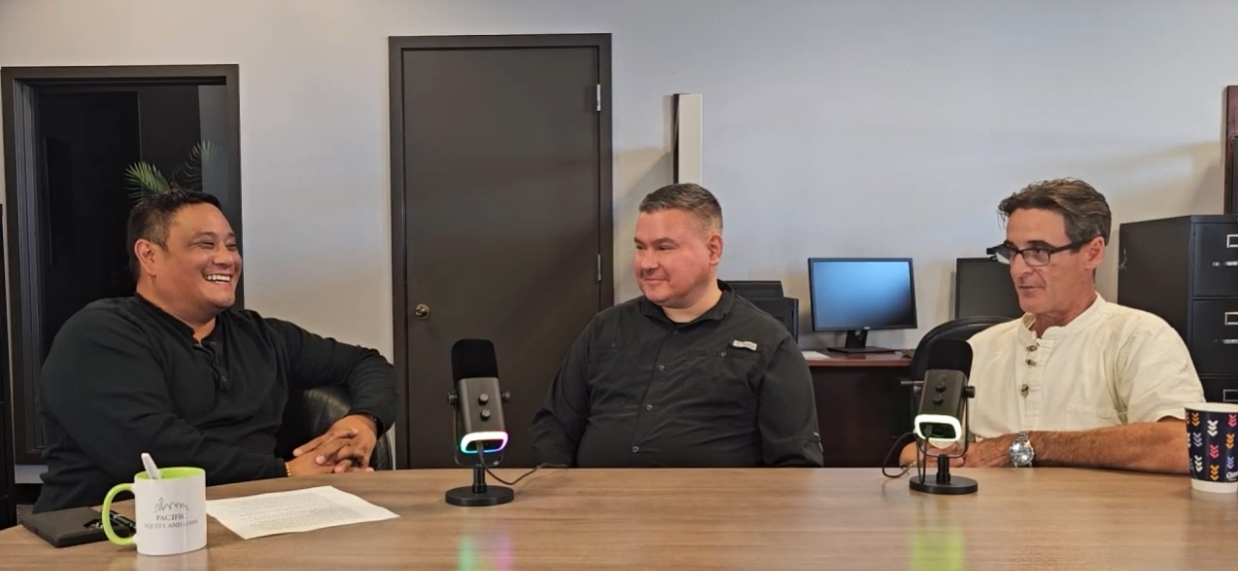
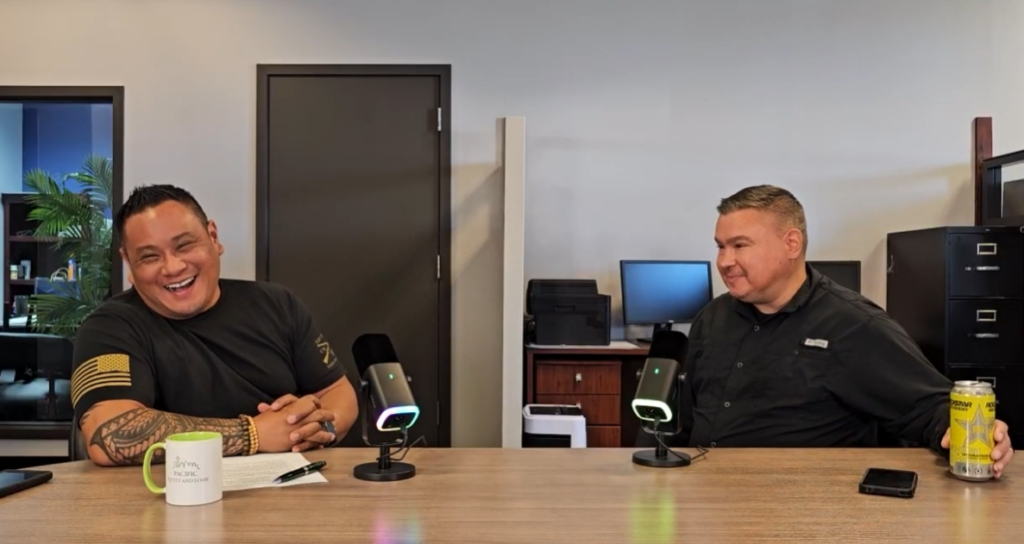
In a recent Pacific Equity & Loan podcast conversation, construction professional Jason shared lessons from years of experience managing everything from custom homes and multifamily developments to complex remodels and investor projects. One of his biggest takeaways was simple:
“Pre-construction is construction.”
Before the first wall comes down or the first foundation is poured, investors need to understand the budget, timeline, scope of work, and potential risks.
Here are some of the biggest lessons investors can take from his experience.
🎥 Want to hear the full conversation? Watch the complete podcast on our YouTube channel. https://www.youtube.com/watch?v=rj04BAO-YDg&t=4s
Your Project Should Be Built on Paper First
A successful project starts with planning.
Before construction begins, investors should carefully review every line item in the budget and make sure the numbers actually reflect the work being done. Rather than relying on broad estimates, detailed scopes, written proposals, invoices, and supporting documentation can help create a much more realistic picture of the project.
For example, if a construction budget includes a significant amount for windows, the number should be supported by actual specifications, quotes, or other documentation, not simply a single dollar figure.
The more accurate the budget is upfront, the fewer surprises you are likely to encounter later.

Be Optimistic About the Outcome but Conservative With the Budget
Every investor wants their project to finish on time, under budget, and at a strong resale value.
But when planning a project, it can be smarter to leave yourself some room for the unexpected.
Jason emphasized being somewhat conservative when creating budgets and schedules. Building in reasonable flexibility can give investors room to handle unforeseen issues without immediately putting the entire project at risk.
The goal isn’t to assume everything will go wrong.
It’s to make sure one unexpected problem doesn’t completely derail the deal.

Your Team Can Be Just as Important as Your Budget
Real estate projects involve a lot of moving parts: investors, contractors, subcontractors, project managers, lenders, inspectors, architects, engineers, and other professionals.
When everyone understands their role and communicates effectively, problems can be addressed before they become major setbacks.
Jason’s experience in both construction and project management allows him to understand projects from the perspective of the investor while also understanding the lending side. At PEAL, that experience can help identify potential risk points before a loan closes and before construction begins.
That’s why choosing experienced professionals isn’t simply about finding the lowest price.
The right team can add value by helping you avoid expensive mistakes.
👉 Contact Our Team: https://pacificequityloan.com/contact/

Don't Hide Problems, Communicate Them Early
Every construction project will eventually face a problem.
The materials may be delayed. A subcontractor may fall behind. An inspection may fail. Costs may increase. Plans may need to change.
The problem isn’t always the issue itself. It’s how quickly the team addresses it.
One of the strongest lessons from the conversation was the importance of transparency. When an issue comes up, communicating it early gives everyone involved an opportunity to find a solution and understand how it may affect the budget or timeline.
Instead of waiting until a small issue becomes a major problem, investors should ask:
- What happened?
- What’s the potential impact?
- What options do we have?
- What needs to change?
- Who needs to know?
Clear communication can prevent one problem from becoming five.

Projects Don't Always Go According to Plan
Jason shared the story of a particularly difficult project that faced engineering problems, multiple plan revisions, inspection challenges, budget overruns, and schedule delays.
At one point, the project became so difficult that he nearly gave up.
But the project eventually turned around.
The experience reinforced an important lesson: a difficult project isn’t necessarily a failed project. Sometimes the budget, schedule, expectations, or strategy need to be reassessed and adjusted.
For investors, this is especially important.
When something goes wrong, the answer isn’t always to abandon the project. Sometimes the smarter move is to identify the problem, adjust the plan, and find a realistic path to completion.

Finishing Strong Matters
A project can start with an incredible vision and still face challenges along the way.
What ultimately matters is how the investor and their team respond.
The podcast discussion emphasized that a project’s success isn’t only determined by how smoothly it starts. Investors need to remain focused on reaching the finish line, protecting their reputation, and making thoughtful decisions when challenges arise.
Every completed project becomes part of an investor’s track record.
That means the way you handle challenges today can influence the opportunities you receive tomorrow.
What This Means for Real Estate Investors
Before purchasing your next fix-and-flip or construction property, don’t just ask:
“Can I make money on this deal?”
Also ask:
“Do I have a realistic plan to execute it?”
That means reviewing your:
- Purchase price
- Scope of work
- Rehab or construction budget
- Timeline
- Contractor and project team
- Exit strategy
- Financing structure
- Contingency plans
A strong deal isn’t just about buying the right property. It’s about having the right plan, people, and financing to successfully execute the project.

How Pacific Equity & Loan Supports Investors
At Pacific Equity & Loan, we understand that investors aren’t simply looking for money, we’re looking for a financing partner who understands the project behind the numbers.
Our team takes a closer look at the details of an investment and works to identify potential risks and challenges before the project gets underway. The goal is to create a stronger path forward for both the investor and the lender.
Whether you’re working on a fix-and-flip, new construction, or other investment project, having the right financing partner can make a difference.
👉 Ready to discuss your next project?
👉 Get Pre-Qualified: https://pacificequityloan.com/full-pre-qual/
👉 Contact Our Team: https://pacificequityloan.com/contact/
Or, if you want to hear the full conversation and learn more from Jason’s real-world construction experience:
🎥 Watch the full podcast on our YouTube channel to hear the stories, lessons, and practical advice discussed in the episode. https://www.youtube.com/watch?v=rj04BAO-YDg&t=4s