That cheap piece of land might look like an opportunity, but before you make an offer, there are a few things you need to know.
You see the listing. The price looks right. The location has potential. Maybe you’ve even figured out how many homes or lots you could build.
On paper, it looks like a great deal. But here’s the question every investor should ask before moving forward:
What am I not seeing yet?
Land development can create significant opportunities for investors, but it also comes with risks that aren’t always obvious from a listing or a quick property visit.
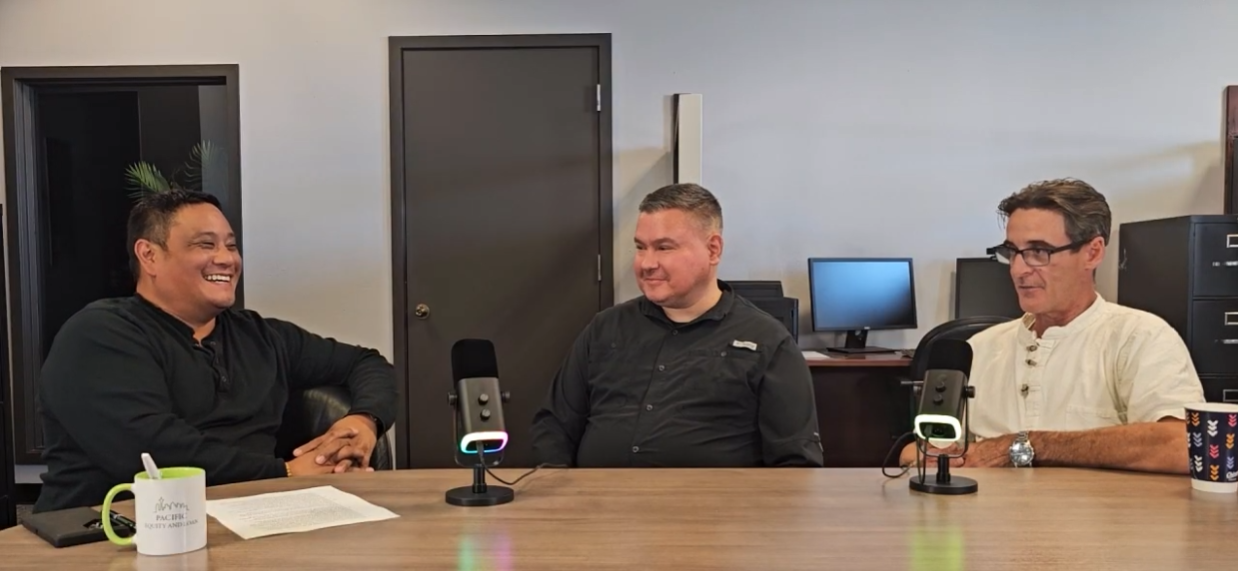
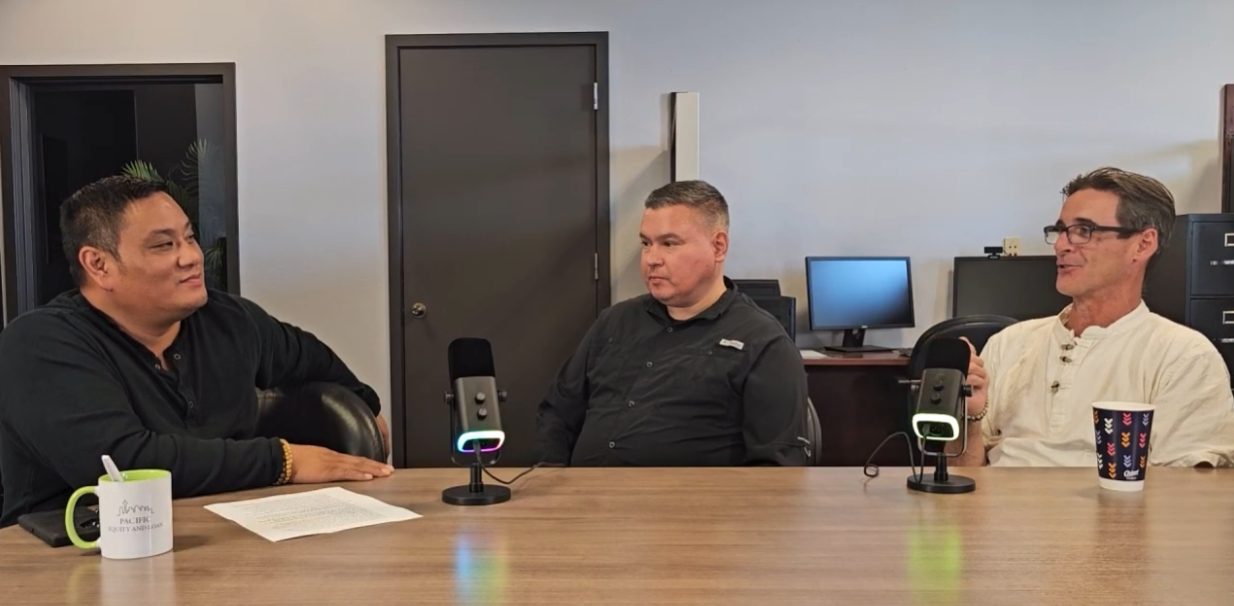
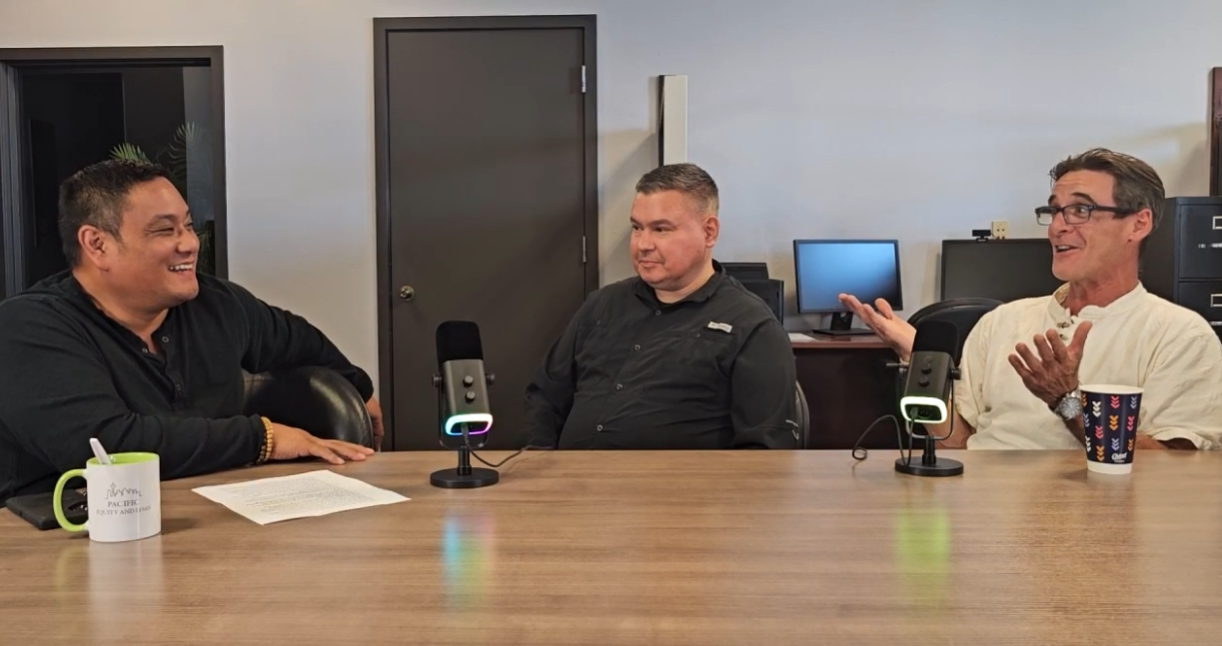
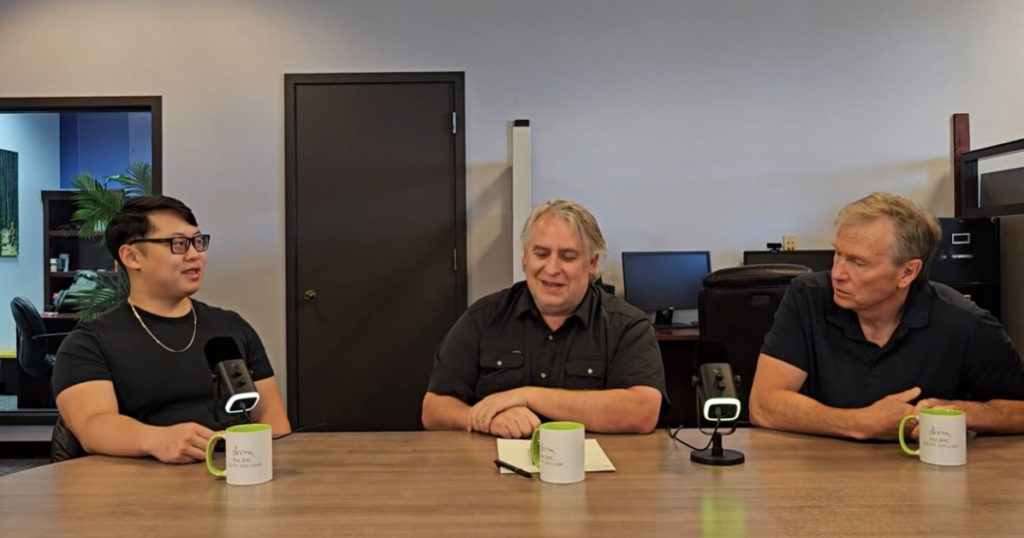
In a recent Pacific Equity & Loan podcast, we spoke with experienced civil engineer Damon DeRosa and licensed geologist Bill Kreling of LSN Surveyors & Engineers. With decades of experience evaluating properties, working with developers, and even investing in land themselves, they shared some important lessons about what investors should look for before buying.
And one message came through clearly:
“Don’t fall in love with the potential before you understand the reality.”
The Listing Doesn't Tell You the Whole Story
A property listing might tell you the lot size, location, zoning, and what the seller believes you can build. But that doesn’t necessarily mean the property is ready for development.
There could be issues involving:
- Wetlands
- Floodplains
- Soil conditions
- Stormwater
- Septic systems
- Legal access
- Utilities
- Environmental requirements
- Archaeological or cultural resource reviews
- Local development regulations
Some of these issues can add thousands of dollars to a project. Others can add months to your timeline. And in some cases, they can completely change what you’re able to build.
That’s why experienced investors don’t stop at the listing description. They investigate.

Before You Buy, Find Out What You're Actually Buying
One of the biggest lessons from the podcast was the importance of feasibility.
Before you commit to a property, you want to understand whether your intended project is actually possible.
For example, if you’re buying a property because you believe you can build four homes, you don’t want to discover after closing that the site only supports two. Or perhaps the land technically can be developed, but the cost of roads, drainage, utilities, or other improvements makes the project financially unrealistic.
That’s a very different deal.
The experts explained that investors should try to make their purchase flexible enough to confirm that what they believe they’re buying is actually what they’re getting.
“That’s the difference between buying land and buying a development opportunity.”
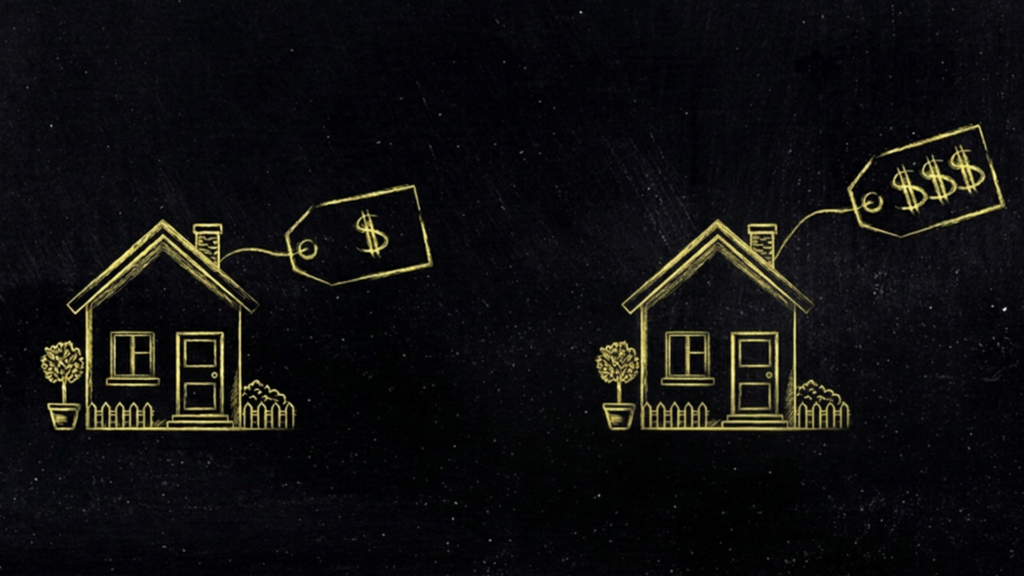
A Cheap Property Can Become an Expensive Project
Let’s say you find a piece of land for $200,000.
Sounds attractive, right?
But then you discover you need:
- Additional engineering
- Stormwater improvements
- Utility extensions
- Site work
- Permits
- Environmental studies
- Additional professional services
- Months of carrying costs
Suddenly, that $200,000 purchase isn’t the deal you thought it was.
This is why experienced developers don’t simply ask:
“How much is the land?”
They ask:
“How much will it cost me to turn this land into the finished product?”
In the podcast, the guests explained that development costs often become tighter as a project progresses. Unexpected costs and delays can slowly eat away at the original profit margin.

Don't Forget About Time
Here’s another number investors sometimes overlook:
Time.
When you’re holding a property, the clock is running. If a project takes longer than expected, you may be paying interest and other carrying costs for additional months. And land development can involve longer timelines than a typical fix-and-flip or single-family construction project. Permitting, engineering, agency reviews, and site-specific studies can all add time to the project.
As the podcast guests put it, “time is money.”
So when you’re analyzing a deal, don’t just ask:
“How much can I make?”
Also ask:
“How long will my money be tied up?”
That second question can completely change your return.

The "More Lots = More Money" Mindset Can Backfire
It’s easy to look at a large piece of land and immediately think:
“How many units can I fit here?”
More lots can mean more potential revenue. But it can also mean more expenses.
More development can require more:
- Roads
- Utilities
- Stormwater infrastructure
- Engineering
- Permitting
- Construction
- Time
The podcast shared an important concept that investors should remember:
Sometimes less is more.
The goal isn’t always to maximize the number of units.
The goal is to maximize the opportunity.

Be Careful With "Buildable" Claims
Here’s a major red flag for investors. A seller may describe a property as a “buildable lot” or “development opportunity.” But what exactly does that mean?
Does it have:
- Legal access?
- Approved septic?
- Confirmed utility availability?
- Wetland studies?
- Appropriate zoning?
- Necessary entitlements?
- A realistic development path?
Our podcast guests discussed situations where investors purchased property only to discover serious issues, including properties without legal access or properties that ultimately couldn’t be developed as expected.
Don’t assume. Verify.

Your Exit Strategy Matters Before You Buy
Investors often think about the exit after purchasing the property.
With land development, that can be a costly mistake.
Before you buy, you should have a realistic idea of:
- Who will buy the finished product?
- What will they likely pay?
- How long will it take to reach the market?
- What happens if your sale price is lower than expected?
- What happens if the project takes longer?
- How much will financing and carrying costs affect your returns?
Our podcast guests emphasized the importance of being conservative with your estimated costs, sale price, and timeline. Your project shouldn’t only work when everything goes perfectly.
It should have enough room to survive when something doesn’t.

Don't Wait Until Closing to Think About Financing
Here’s another piece investors need to consider early:
How are you going to finance the project?
If you’re purchasing land with the intention of developing it, financing isn’t something you want to figure out after you’ve already committed to the deal.
Your financing strategy needs to fit the project’s:
- Purchase price
- Development budget
- Timeline
- Exit strategy
- Cash requirements
- Carrying costs
And remember: if the project takes longer than expected, financing costs can continue accumulating.
That’s why it’s important to understand your capital requirements before you’re too far into the deal.
At Pacific Equity & Loan, we understand that every real estate investment has its own moving pieces. Whether you’re looking at new construction, ADU projects, or other investment opportunities, having a clear financing strategy can help you evaluate the deal more realistically.
👉 Get Pre-Qualified: https://pacificequityloan.com/full-pre-qual/
👉 Contact Our Team: https://pacificequityloan.com/contact/
Final Thought: Slow Down Before You Speed Up
Finding a promising piece of land can be exciting. But before you rush to make an offer, take a step back.
Ask the questions. Check the property. Verify the assumptions. Run the numbers.
Because the biggest mistake isn’t necessarily buying an expensive property. Sometimes, it’s buying a property based on a potential that was never actually there. And when you’re investing your own money, knowing what you’re buying before you close can make all the difference.