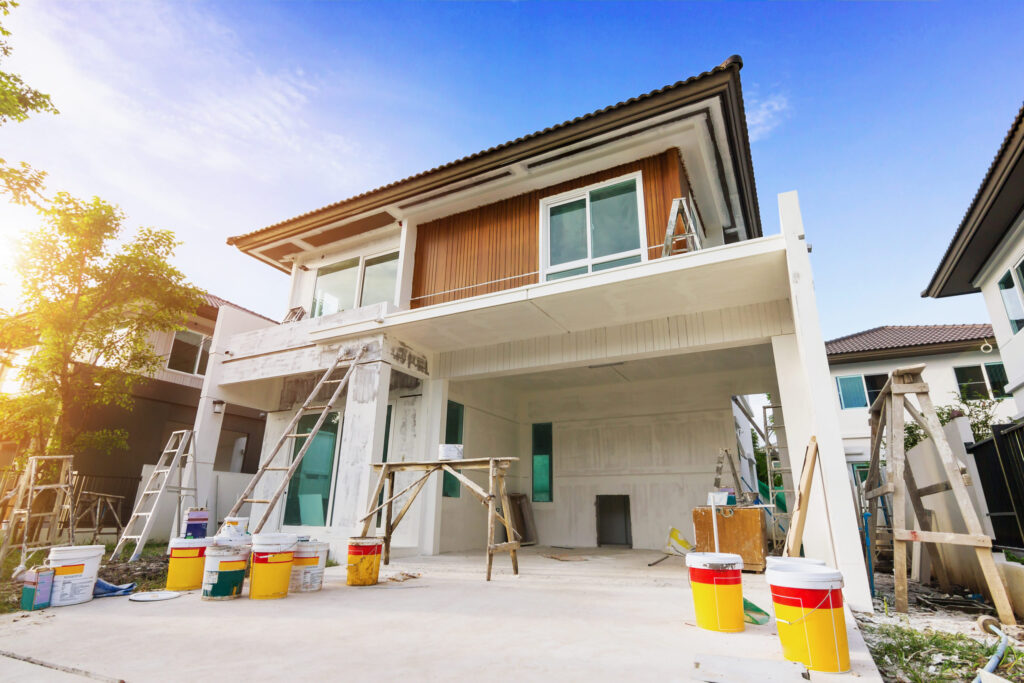
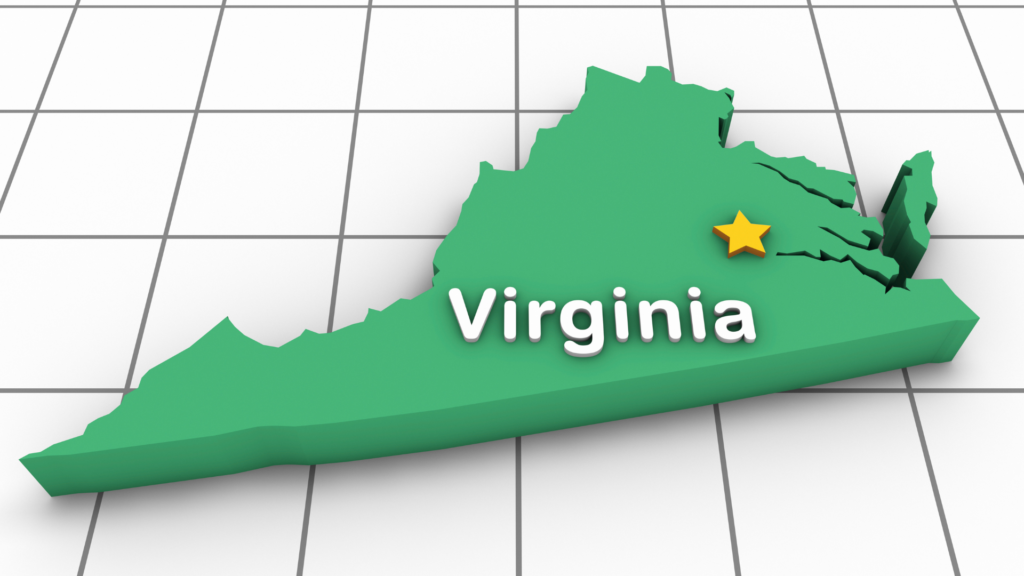
Virginia is becoming one of the stronger fix-and-flip markets in 2026 because it combines population growth, stable employment sectors, and metro areas where home prices are still more affordable than many nearby East Coast markets. Cities like Richmond, Virginia Beach, Roanoke, and Charlottesville continue to see active buyer demand, while older housing inventory creates opportunities for investors looking to renovate and resell homes. (zillow.com) (redfin.com)

Why Is Virginia Becoming a Popular Place to Live and Invest in Real Estate?
Virginia attracts:
- Remote workers relocating from higher-cost states
- Military families
- Government employees
- University staff and students
- Healthcare workers
- Retirees seeking affordability
Several Virginia metros offer:
- Lower acquisition costs compared to nearby states
- Strong rental demand
- Older homes ideal for renovations
- Growing suburban development
- Consistent first-time buyer activity
Richmond, in particular, continues to rank as one of the stronger housing markets entering 2026 because of tight inventory and ongoing buyer demand. (axios.com)
Pacific Equity & Loan provides:
- Virginia hard money loans
- Fix-and-flip financing
- Construction loans
Internal resources:
👉 Submit a deal: https://pacificequityloan.com/full-pre-qual/
👉 Contact: https://pacificequityloan.com/contact/
What Are Homes Selling for Across Virginia’s Key Metro Areas?
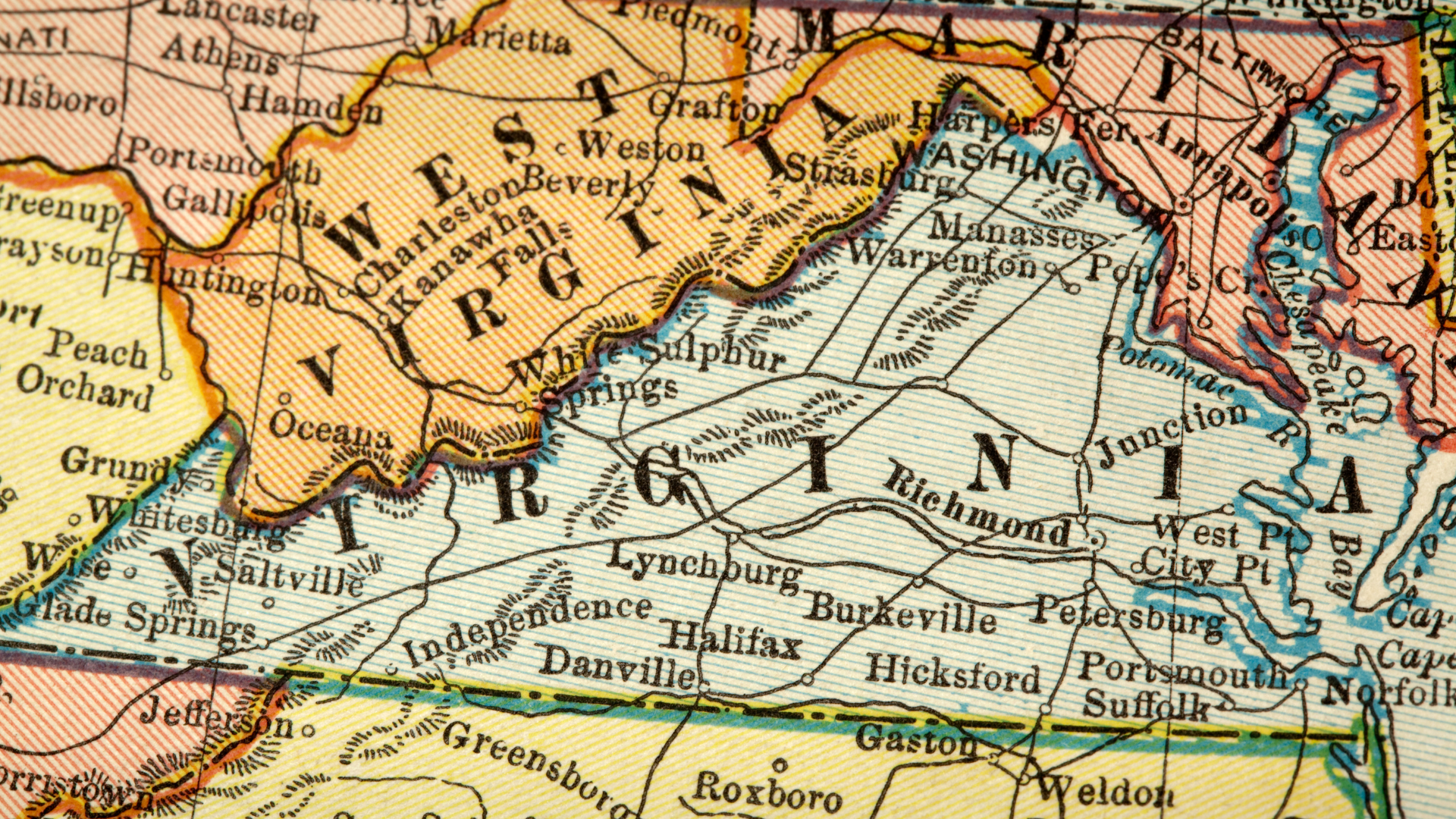
Virginia Beach remains one of Virginia’s strongest coastal real estate markets, with median home prices around $413,000 as buyer demand stays active due to the area’s military presence and tourism economy. Investors continue targeting older ranch-style homes and cosmetic rehab projects near military bases and beach communities, although flood zones, insurance costs, and HOA regulations remain important considerations. (redfin.com)
Richmond continues attracting young professionals, remote workers, and investors seeking alternatives to more expensive East Coast cities. Median home prices generally range between $390,000 and $415,000, while limited inventory keeps competition high, especially for homes under $450,000. Investors are finding opportunities in historic homes, cosmetic renovations, duplex conversions, and emerging suburban neighborhoods, though historic district regulations and permit timelines can slow projects. (axios.com)
Roanoke remains one of the more affordable Virginia markets for fix-and-flip investors, with median home values around $272,000. Lower acquisition costs and reduced competition compared to larger metros make it attractive for cosmetic rehabs, starter home renovations, and rental property conversions. Investors also benefit from stable healthcare-related employment supporting housing demand. (zillow.com)
Lynchburg continues seeing stable housing demand due to its university presence and relatively affordable housing market. Many older homes remain priced below larger Virginia metros, creating opportunities for moderate rehab projects, student rental improvements, and smaller single-family flips.
Charlottesville remains one of Virginia’s higher-priced but stronger-demand housing markets. Detached homes in Albemarle County average around $649,000, while Charlottesville detached homes average roughly $525,000. Investors often focus on higher-end renovations, ADU additions, and premium kitchen and bathroom upgrades, although higher acquisition costs and competitive bidding remain challenges.
The Blacksburg–Christiansburg–Radford region continues benefiting from Virginia Tech, student housing demand, and technology-related employment growth. Investors commonly target student housing renovations, small multifamily projects, and rental-focused rehabs because of the area’s stable university-driven economy and consistent tenant demand.
Winchester continues growing as more buyers move farther from Northern Virginia in search of affordability and suburban space. Investors are finding opportunities in suburban fix-and-flip projects, family-oriented homes, and value-add renovations tied to continued population migration.
Harrisonburg benefits from steady demand driven by universities, healthcare employers, and agricultural industries. Student rentals, cosmetic rehabs, and smaller multifamily projects remain popular investment strategies as employment growth continues supporting housing activity.
Staunton–Stuarts Draft continues attracting buyers looking for lower housing costs, suburban living, and larger lots. Investors are focusing on older homes with solid structures that can benefit from moderate cosmetic renovations and appeal to family buyers seeking affordability outside larger metros.
Danville is gaining attention among investors because of ongoing revitalization efforts, lower acquisition prices, and manufacturing-related economic development. Many investors view the market as a longer-term appreciation opportunity with less competition than larger Virginia cities, making cosmetic rehabs, entry-level flips, and rental conversions attractive strategies.

What Should Investors Look Out for in Virginia Fix-and-Flip Projects?
1. High Competition in Key Markets
Northern Virginia, Richmond, and Virginia Beach remain competitive due to low inventory and strong buyer demand. Investors should avoid overpaying and use conservative after-repair value (ARV) estimates to protect profit margins. (redfin.com)
2. Rising Renovation Costs
Labor shortages, material price increases, and permit delays continue affecting renovation budgets in Virginia. Investors should prepare for higher costs involving roofing, HVAC, plumbing, electrical work, and holding expenses. Keeping contingency reserves is important.
3. Local Regulations and Permits
Permit and zoning rules vary across Virginia cities and counties. Historic districts and HOA communities may also have renovation restrictions that can delay projects if not researched early. (virginia.gov)
4. Seasonal Market Timing
Housing activity can slow during winter months, especially in suburban and rural areas. Many investors aim to list finished projects during spring and summer when buyer demand is typically stronger. (nar.realtor)
5. Overestimating After-Repair Value (ARV)
Some investors rely on unrealistic resale expectations. Buyers remain price-sensitive due to mortgage rates, making accurate comparable sales analysis and neighborhood pricing essential before purchasing a property. (freddiemac.com)

What Should Virginia Fix-and-Flip Investors Watch Out For?
1. Older Housing Inventory
Many Virginia homes were built before the 1980s.
Always inspect for:
- Electrical updates
- Plumbing issues
- Roof conditions
- Foundation problems
- HVAC replacement needs
2. Tight Inventory in Competitive Markets
Richmond and Virginia Beach remain highly competitive.
Some buyers report:
- Multiple offers within days
- Limited inventory under $450K
- Continued seller leverage in strong neighborhoods
Fast closings and financing flexibility matter. (axios.com)
3. Permit and Historic District Restrictions
Cities like Richmond and Charlottesville may require:
- Historic approvals
- Special renovation permits
- Additional inspections
Always verify:
- Zoning
- Permit timelines
- Short-term rental regulations
4. Insurance and Flood Risks
Coastal areas like Virginia Beach may involve:
- Flood insurance requirements
- Higher insurance premiums
- Storm-related maintenance risks
These costs should be included in rehab budgets.

What Makes Virginia Attractive for Out-of-State Real Estate Investors?
Virginia attracts out-of-state investors because of its stable economy, strong housing demand, and diverse industries including government, healthcare, military, education, and technology. The state also offers multiple investment opportunities across different metro areas. (bea.gov)
Northern Virginia
Higher home prices, strong appreciation potential, and steady rental demand driven by tech and government jobs. (redfin.com)
Richmond
Popular for fix-and-flip and BRRRR projects due to redevelopment activity and population growth. (redfin.com)
Virginia Beach
Strong housing demand supported by military employment and vacation rental opportunities. (redfin.com)
Roanoke and Lynchburg
More affordable entry points with growing investor interest and lower acquisition costs. (redfin.com)

How Pacific Equity & Loan Helps Virginia Investors
Pacific Equity & Loan offers financing for:
- Fix-and-flip projects
- Ground-up construction
- Bridge loans
- Real estate investment properties
Virginia hard money loans help investors:
- Close faster
- Compete with cash buyers
- Fund renovations
- Scale multiple projects
👉 Learn more:
- Submit a Deal: https://pacificequityloan.com/full-pre-qual/
- Contact: https://pacificequityloan.com/contact/
Sources:
Pacific Equity and Loan, Zillow, Redfin, Axios, BEA, Freddie Mac, NAR, Virginia.gov