What should real estate investors know before continuing construction during the winter holidays?
Winter construction can stay on track with careful scheduling, weather protection, realistic budgeting, and clear communication with contractors. In Washington State, rain, freezing temperatures, shorter daylight hours, and holiday closures can affect certain jobs. Investors should identify weather-sensitive work, plan for possible delays, protect materials, and make sure their financing and project timelines account for seasonal challenges.
1. How Winter Weather Can Affect Construction
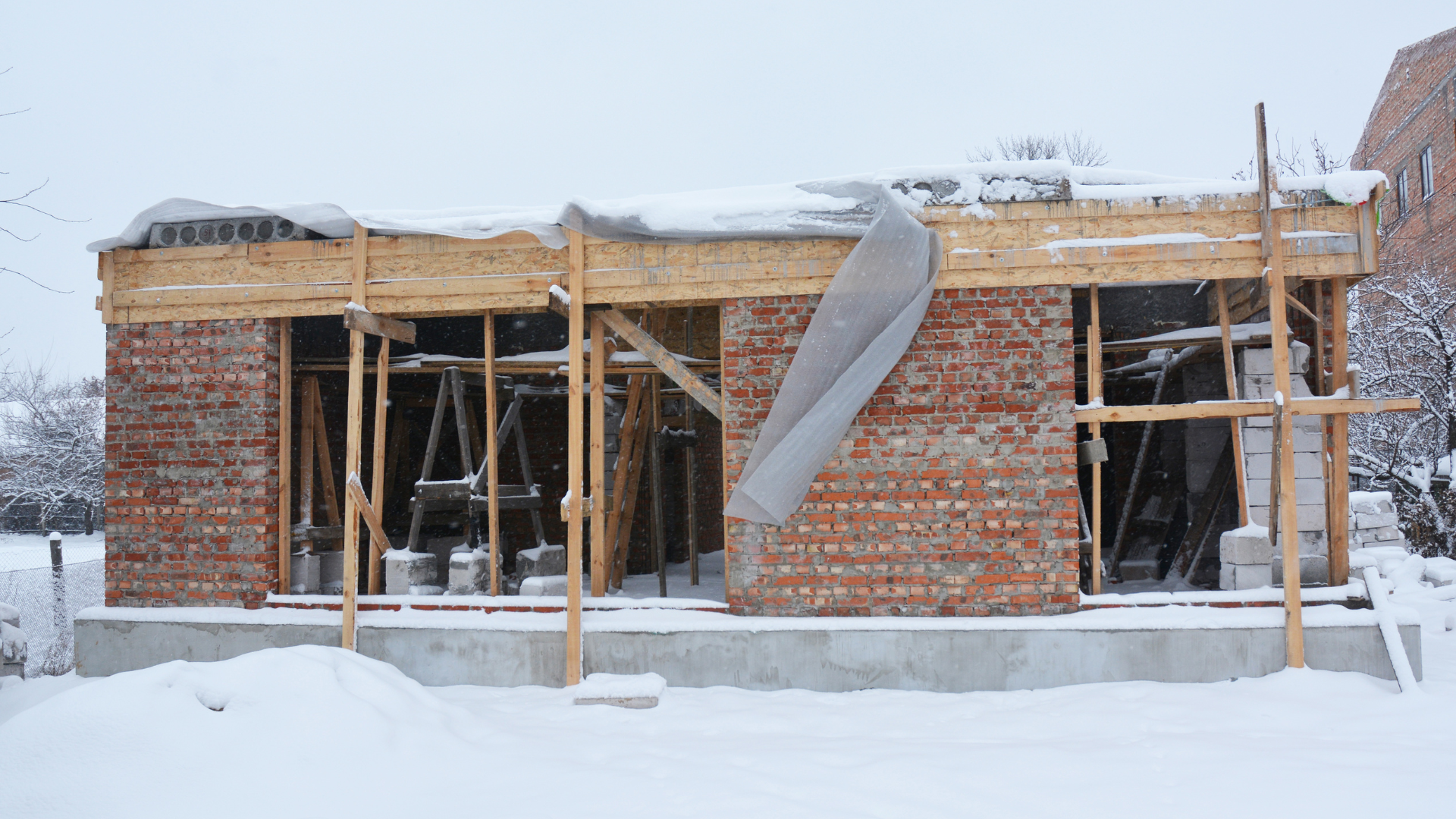
Cold weather does not stop every construction project, but it can change how certain tasks are completed. Investors should understand which parts of a project depend on temperature, dry conditions, or daylight.
Common winter construction challenges include:
- Rain and moisture: Persistent rain can create muddy work areas, delay excavation, and expose unfinished structures to water damage.
- Freezing temperatures: Some concrete, masonry, paint, and adhesive applications require specific temperature conditions to cure or perform properly.
- Shorter daylight hours: Outdoor crews may have fewer productive working hours.
- Snow and ice: These conditions can affect site access, deliveries, worker safety, and inspections.
- Holiday schedules: Contractor availability, supplier hours, permit reviews, and inspections may be limited around major holidays.
In Washington State, conditions can vary significantly by location. A project in western Washington may face prolonged rain, while other areas may experience more freezing temperatures or snow.
Investor tip: Review the local forecast and your contractor’s schedule before setting construction milestones. Build flexibility into the timeline instead of assuming every workday will go as planned.
2. Which Construction Tasks Need Extra Winter Planning?
Not every construction activity is affected by cold weather in the same way. The key is to identify weather-sensitive work before the project begins.
Outdoor and structural work
Pay particular attention to:
- Excavation, grading, and drainage improvements
- Foundation work and concrete placement
- Roofing and exterior waterproofing
- Siding, exterior painting, and sealants
- Framing and other work that exposes materials to moisture
Some tasks can continue during winter with appropriate equipment, protection, and approved installation methods. Others may need to be rescheduled until conditions improve.
Interior renovations
Interior work may be easier to schedule during colder or wetter periods, provided the building is properly enclosed and has suitable temperature and humidity conditions.
Potential tasks include:
- Electrical and plumbing rough-ins
- Drywall installation and finishing
- Cabinet installation
- Flooring and interior trim
- Interior painting and finishing
These activities still have requirements. For example, paint, flooring adhesives, and finishing materials may need specific temperature and humidity ranges.
Before work begins, confirm product requirements with the manufacturer and have your contractor determine whether site conditions are suitable.

3. How to Protect Your Investment Property During Winter
Weather protection is not just about keeping a project moving. It also helps reduce the risk of damage that can lead to additional costs.
Use this checklist to prepare the job site:
- Protect exposed areas. Cover unfinished sections of the building and secure temporary weather barriers.
- Manage drainage. Keep gutters, temporary drains, and water pathways clear so rain does not collect near the foundation.
- Store materials correctly. Follow manufacturer instructions for protecting lumber, drywall, insulation, flooring, and other moisture-sensitive supplies.
- Prevent frozen pipes. Insulate vulnerable plumbing and take appropriate precautions in unheated areas.
- Maintain safe access. Address slippery walkways, icy entrances, and muddy access points.
- Document site conditions. Take photos of completed work, exposed materials, and any damage that needs attention.
In Washington, winter storm preparation is especially important when freezing weather or power outages are possible. The Washington State Department of Health also recommends preparing buildings for cold weather and protecting pipes near exterior walls and unheated spaces.
The goal is to identify preventable problems early rather than pay for repairs after damage occurs.

4. How to Keep Your Winter Construction Budget Under Control
Holiday and winter delays can affect more than the completion date. They may increase labor expenses, extend equipment rentals, or add property carrying costs.
Before starting or continuing construction, review these budget items:
- Weather contingency: Set aside a reasonable reserve for unexpected delays and necessary protection.
- Labor availability: Confirm contractor schedules and any changes to working hours.
- Material delivery: Order essential materials early when appropriate, and verify delivery dates.
- Equipment rentals: Check whether weather delays could extend rental periods.
- Holding costs: Account for interest, insurance, utilities, taxes, and other property expenses while the project remains underway.
- Rework and repairs: Consider the potential cost of correcting moisture damage or work completed in unsuitable conditions.
A detailed scope of work (SOW) can help organize tasks, quantities, costs, and project expectations. It also gives investors a clearer basis for tracking changes.
Avoid cutting corners to recover lost time. Improper installation or rushed work can create more expensive problems later.

5. Plan Around Holiday Closures and Contractor Availability
December can bring scheduling challenges even when the weather cooperates. Contractors may take time off, suppliers may adjust their hours, and local offices may have limited availability.
Before the holiday period, confirm:
- Which tasks must be completed before crews take time off
- Which materials need to arrive before supplier closures
- Whether inspections or permit approvals could affect the schedule
- Who will secure and check the property during work stoppages
- How urgent repairs or unexpected issues will be handled
- Which tasks can safely continue and which should wait
For projects in Seattle, investors should also check whether any location-specific holiday construction restrictions apply. Certain areas have a formal holiday construction pause, so confirm the applicable rules with the relevant city department before scheduling work.
A short weekly check-in with the contractor can help everyone understand what is complete, what remains, and what needs to change.

6. How Financing Fits Into a Winter Construction Plan
Construction timing and financing should be considered together. A delay can affect how long an investor carries a property and when they expect to sell, refinance, or complete another planned exit.
Before moving forward, review:
- The loan term and expected project completion date
- The approved construction budget and scope of work
- How construction draws are requested and processed
- The cash reserve available for unexpected expenses
- The exit strategy if the project takes longer than expected
Pacific Equity & Loan provides hard money, fix-and-flip, new construction, and ADU financing for eligible non-owner-occupied residential investment properties.
For investors planning an accessory dwelling unit, PEAL’s ADU lending page provides information about its ADU feasibility and funding review.
Investors can also submit a project to PEAL to share property details, purchase price, construction budget, estimated after-repair value, and other relevant information for review.
Loan terms and qualification requirements vary by project. Financing approval should not be assumed, and investors should confirm the available terms before committing to a construction schedule.

How PEAL Can Help
Winter construction requires coordination between the investor, contractor, budget, and financing plan. Pacific Equity & Loan works with real estate investors seeking financing for eligible fix-and-flip, new construction, and ADU projects.
If you are planning a winter renovation or a ground-up construction project in Washington State, prepare your scope of work, estimated costs, property details, and exit strategy before discussing financing.
Have questions about your project? Contact Pacific Equity & Loan to discuss your investment and available financing options.

Frequently Asked Questions
1. Can construction continue during winter in Washington State?
2. Which construction tasks are most affected by cold weather?
3. How can real estate investors reduce winter construction delays?
4. Can winter delays affect a fix-and-flip project's profitability?
5. Does Pacific Equity & Loan offer construction and ADU financing in Washington State?
Final Takeaway
Winter construction does not have to derail a real estate investment project. The best approach is to plan for weather, protect the property, coordinate contractor schedules, and account for potential delays in the budget and financing timeline.
With a realistic scope of work and a clear exit strategy, investors can make better decisions throughout the holiday season and prepare their projects for the next stage.