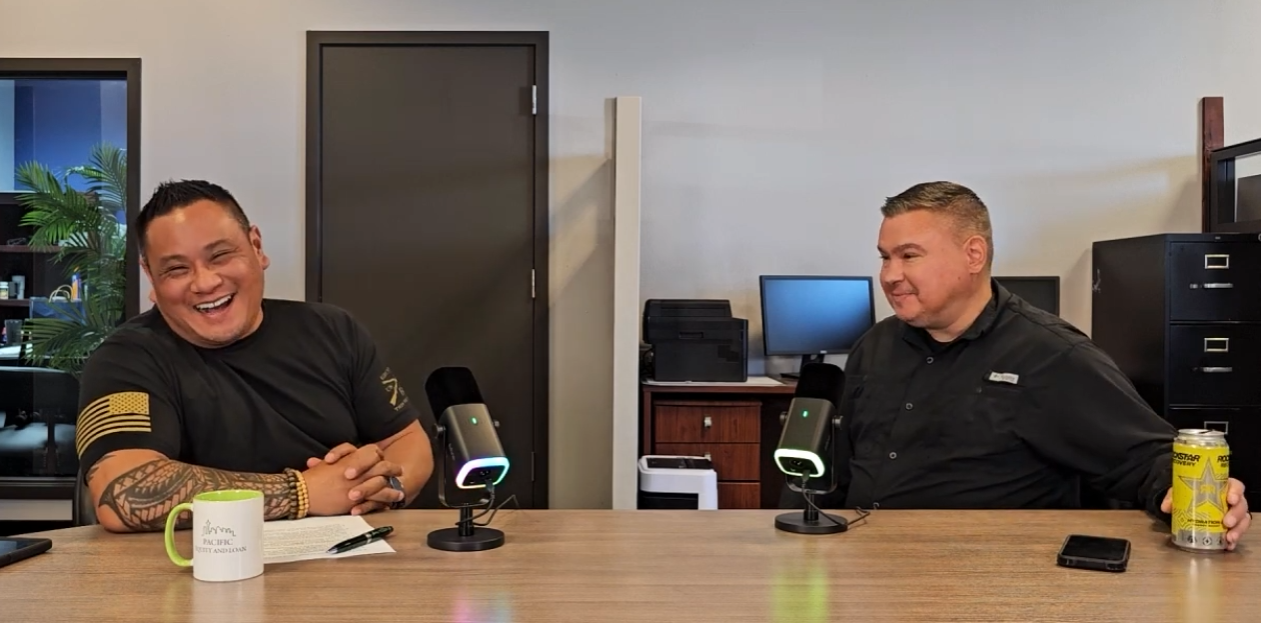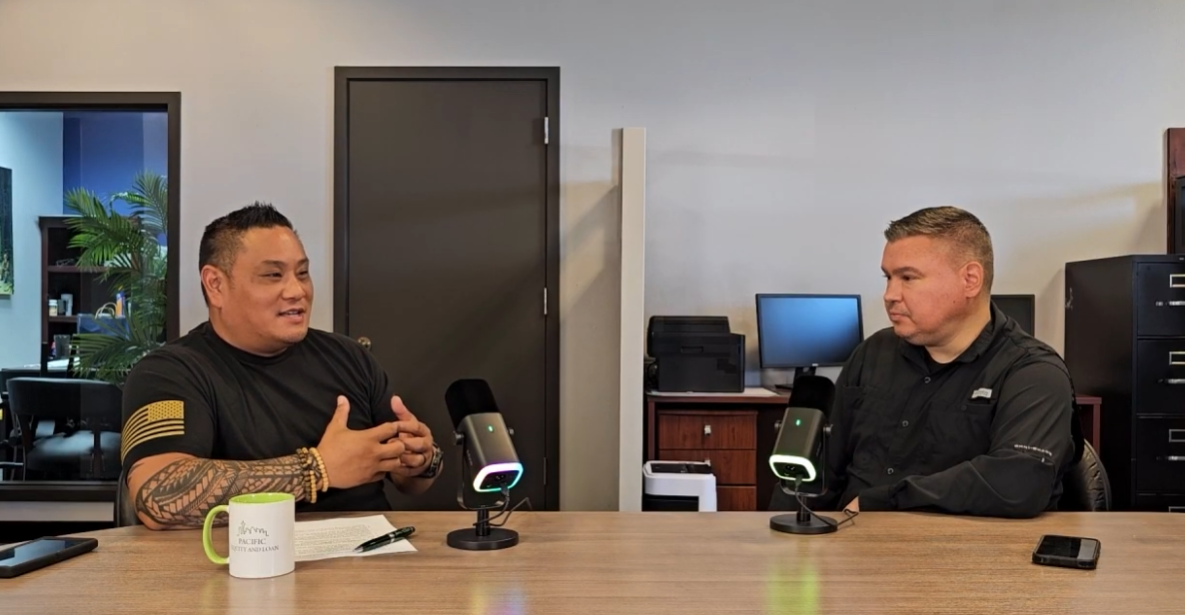

Learn how real estate investors can improve construction project management through job site organization, budget control, scope management, and strategic business growth. Featuring insights from Jason, PEAL’s Senior Draws and Construction Consultant, this discussion shares practical lessons from his construction experience to help keep fix-and-flip and new construction projects organized, manage unexpected changes, and build the internal capacity needed to scale successfully. Explore how the right planning, team coordination, and financing options can support your next investment project with Pacific Equity & Loan.
🎥 Want to hear the full conversation? Watch the complete podcast on our YouTube channel. https://www.youtube.com/watch?v=rj04BAO-YDg&t=4s

Why job site organization matters
One of the most practical lessons from Jason’s construction experience is the importance of maintaining a clean, organized, and professional job site.
For investors and project managers, keeping the site organized can help support:
Safety. A clean work area can help reduce avoidable hazards.
Professional presentation. The site is easier for project stakeholders to review.
Better coordination. Contractors and trades can work more efficiently when materials and work areas are organized.
Inspection readiness. The team can prepare for inspections and walkthroughs more effectively.
Project management. An organized site makes it easier to track progress and identify issues.
This doesn’t mean a clean job site guarantees that an inspection will pass. Inspections still depend on the applicable requirements and the work performed.
But maintaining a professional site is one practical part of managing a construction project responsibly.

How can investors manage scope changes?
Before approving a change, consider:
- What is the additional cost?
- Will it affect the construction timeline?
- Does it require additional materials or labor?
- Will it affect permits or inspections?
- Does it improve the project outcome enough to justify the expense?
- Is the updated budget still realistic?
Changes aren’t always bad. Some are necessary, and others may improve the finished property.
The important part is understanding their impact before moving forward.
A detailed scope of work gives the investor and construction team a common reference point. When changes happen, the team can compare the new request against the original plan and make a more informed decision.

Scaling Your Real Estate Business Starts With Internal Capacity
Many investors want to scale.
They want to complete more projects, take on larger developments, and grow their business.
But Jason offered an important perspective during the interview: scaling should be approached gradually and with a plan.
He discussed the idea of building internal capacity before pursuing external growth.
In other words, a business should make sure it has the people, systems, processes, and resources needed to handle more projects before taking on significantly more work.
What does internal growth look like?
For a real estate investment business, internal growth may include:
- Improving project management processes.
- Building a reliable contractor network.
- Creating clear budgeting systems.
- Strengthening communication between team members.
- Developing repeatable construction workflows.
- Learning from completed projects.
- Building the capacity to manage more complex work.
Taking on more projects without the capacity to execute them can create problems.
Schedules may become harder to manage. Communication can suffer. Project quality may be affected. Expectations may become difficult to meet.
Scaling isn’t just about getting more deals.
It’s about being prepared to manage the work that comes with them.

How PEAL Can Help
Real estate investing takes more than a good property deal. It requires careful planning, realistic budgeting, reliable contractors, and financing that aligns with your investment strategy.
At Pacific Equity & Loan, we provide financing solutions for eligible real estate investors working on fix-and-flip and new construction projects. Whether you’re preparing for your next renovation or planning a new development, our team can help you explore financing options based on your property’s value and exit strategy.
Planning your next investment project? Get pre-qualified with PEAL to explore your financing options and take the next step toward your real estate investment goals.
👉 Get Pre-Qualified Today: https://pacificequityloan.com/full-pre-qual/
👉 Contact Our Team: https://pacificequityloan.com/contact/

What Real Estate Investors Can Take Away From Jason's Experience
Jason’s interview offers several practical reminders for investors working on fix-and-flip, new construction, and other investment property projects.
Plan before you build.
A detailed budget and realistic scope of work can help create a clearer starting point.
Review the numbers carefully.
Don’t assume that every budget line item tells the whole story. Ask questions when costs or descriptions need more explanation.
Keep schedules updated.
Delays happen. The important thing is understanding what changed and how it affects the project.
Maintain a professional job site.
Organization, cleanliness, and safety are part of responsible project management.
Communicate early.
When a problem arises, share the information with the people who need to know.
Build strong relationships.
Your contractors and project team are important parts of your ability to complete the work.
Keep learning.
Every project can provide lessons that help improve the next one.
Scale with preparation.
Growth should be supported by the systems and people needed to execute successfully.
👉 Contact Our Team: https://pacificequityloan.com/contact/