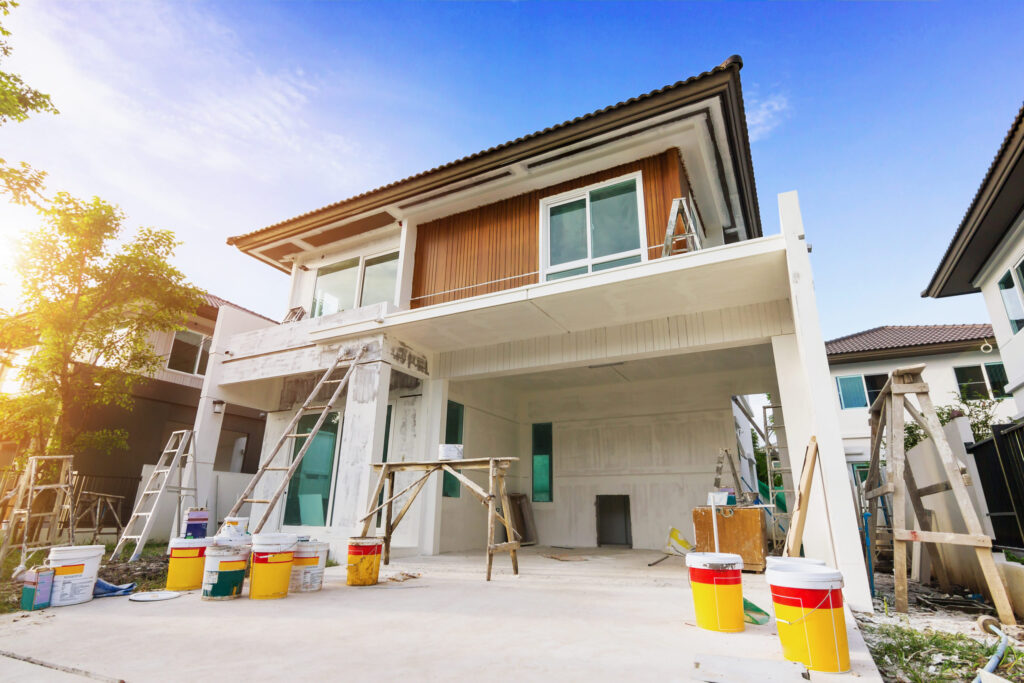
Buying raw land can seem like one of the best ways to build wealth. You see a property with development potential, run the numbers, and imagine multiple homes, townhouses, or even a small subdivision.
But what if the property can’t actually be developed the way you planned?
That’s one of the biggest and most expensive mistakes investors make.
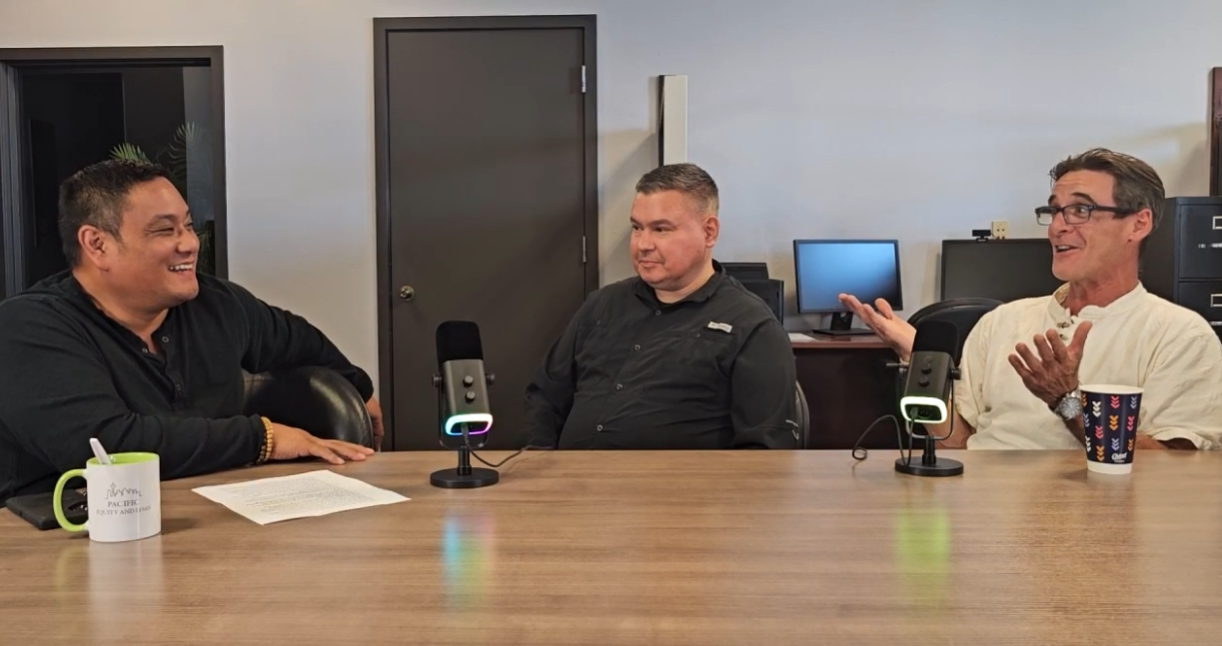
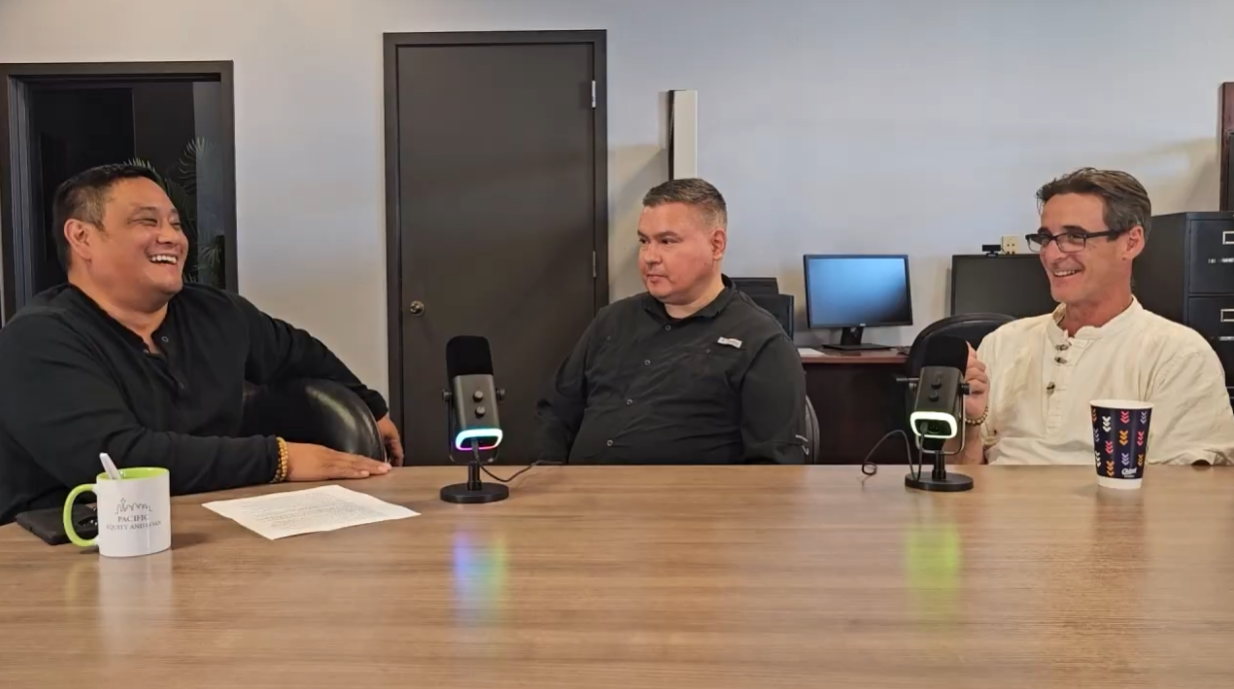
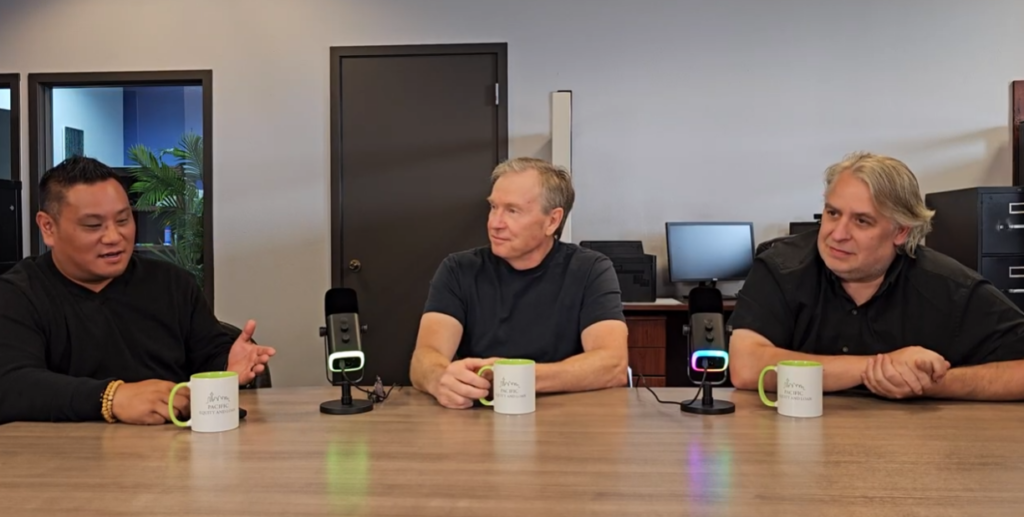
In a recent episode of the Pacific Equity & Loan Podcast, Rob sat down with civil engineer Damon DeRosa and geologist Bill Kreling, two professionals with decades of experience helping developers navigate land development, permitting, engineering, and feasibility studies. Together, they shared valuable lessons that every investor should hear before purchasing land.
🎥 Want to hear the full conversation? Watch the complete podcast on our YouTube channel. https://www.youtube.com/watch?v=RPZjUAYYB24&t=2s
The Biggest Mistake Investors Make
Many investors assume that if a property is zoned for multiple units, they can automatically build them.
Unfortunately, that’s rarely how land development works.
A property may be zoned for four homes, six homes, or even fifteen homes but zoning is only one piece of the puzzle.
Other factors include:
- Critical areas
- Wetlands
- Steep slopes
- Floodplains
- Soil conditions
- Stormwater requirements
- Utility availability
- Road improvements
- Septic feasibility
Any one of these can dramatically reduce what you can actually build.
As Damon explains, many listings advertise the maximum zoning potential without considering the engineering realities of the property.
Feasibility Comes Before Profit
One of the most refreshing parts of the conversation was hearing that sometimes the best advice is not to buy a property at all.
Rather than accepting every project, Damon and Bill explained that they often advise investors to walk away if a project isn’t financially feasible.
That honesty builds long-term trust.
Instead of asking: “Can this get approved?”
They ask:
- Is this financially viable?
- Does the infrastructure cost make sense?
- Can this investor realistically complete the project?
- Will this investment actually produce a profit?
Sometimes the answer is no and that’s okay.
Avoiding one bad deal can be more valuable than completing several average ones.
Sometimes Less Is More
Many investors immediately think: “How can I maximize the number of lots?”
But experienced developers often think differently.
Sometimes reducing the number of lots actually creates a more profitable project.
Why?
Because adding more lots can trigger:
- Major road improvements
- Traffic studies
- Sewer extensions
- Water infrastructure
- Stormwater facilities
- Additional permitting costs
Scaling back the project may eliminate expensive requirements while still generating an excellent return.
It’s a reminder that maximizing profit isn’t always about maximizing density.

Build the Right Team Early
One theme kept coming up throughout the podcast:
Successful projects are team efforts.
Land development requires expertise from multiple disciplines.
That often includes:
- Civil engineers
- Surveyors
- Geotechnical engineers
- Architects
- Contractors
- Planners
- Lenders
The earlier these professionals collaborate, the more problems can be solved before they become expensive delays. For investors, this means surrounding yourself with experts before making an offer not after.
Ready to Build the Right Team for Your Next Deal?
Having the right professionals in your corner can make all the difference between a smooth project and a costly mistake. Whether you’re planning a fix-and-flip, new construction project, or investment property purchase, Pacific Equity & Loan is here to help you move forward with confidence.
👉 Get Pre-Qualified: https://pacificequityloan.com/full-pre-qual/
👉 Contact Our Team: https://pacificequityloan.com/contact/
At PEAL, we provide investor-focused financing solutions designed to help you close quickly, fund confidently, and keep your projects moving.
Why Investors Should Never Skip Due Diligence
Buying raw land is very different from buying an existing home.
With a house, you can usually inspect the property and close within weeks.
Raw land requires much deeper investigation.
Depending on the jurisdiction, investors may need to complete:
- Pre-screening
- Critical area reviews
- Septic evaluations
- Drainage studies
- Site development planning
- Building permit applications
In many cases, this process can take six months or longer before construction even begins.
That’s why rushing into a land purchase without proper due diligence can become an expensive mistake.

How Pacific Equity & Loan Supports Investors
One lesson we’ve learned is that successful projects begin long before funding. They begin with smart planning.
Understanding the property’s true potential, assembling the right team, and evaluating the numbers carefully can make the difference between a profitable investment and a costly lesson.
Financing is important but so is making sure you’re investing in the right opportunity from the start.
At Pacific Equity and Loan we work with investors who need:
Our goal is to help investors move confidently from acquisition to completion.

Watch the Full Podcast
This article only scratches the surface.
In the full conversation, Damon and Bill share:
- How feasibility studies really work
- Common mistakes developers make
- How engineering decisions affect profitability
- What experienced investors do differently
- Real project examples and lessons learned over decades
If you’re serious about land development, new construction, or scaling your investment business, this is one episode you won’t want to miss.
🎥 Watch the full Pacific Equity & Loan Podcast on our YouTube channel and gain insights that could help you avoid costly mistakes on your next investment. https://www.youtube.com/watch?v=RPZjUAYYB24&t=2s