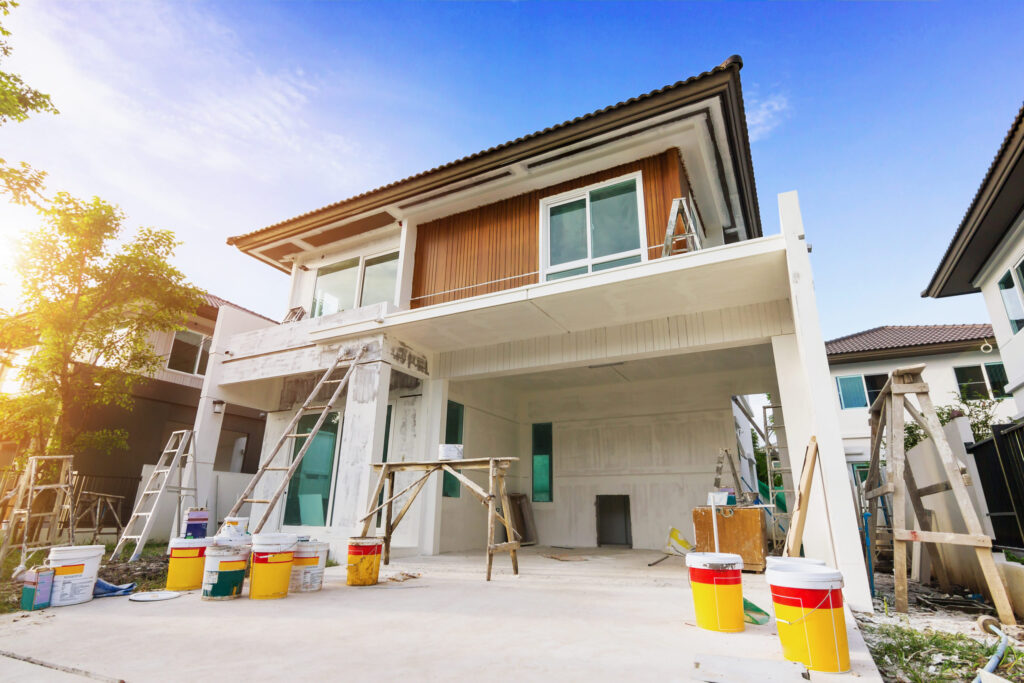
A profitable real estate deal can quickly turn into a stressful and expensive project when the planning isn’t done right.
For fix-and-flip and new construction investors, it’s easy to focus on the purchase price, projected ARV, and potential profit. But what happens between buying the property and reaching the finish line can ultimately determine whether the deal succeeds.
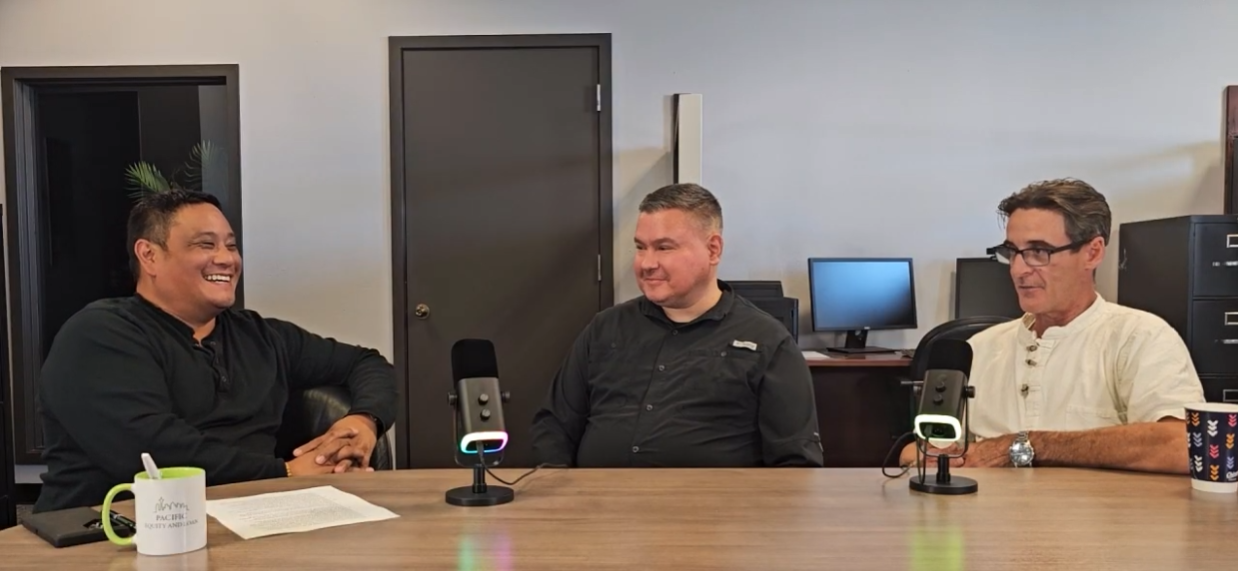
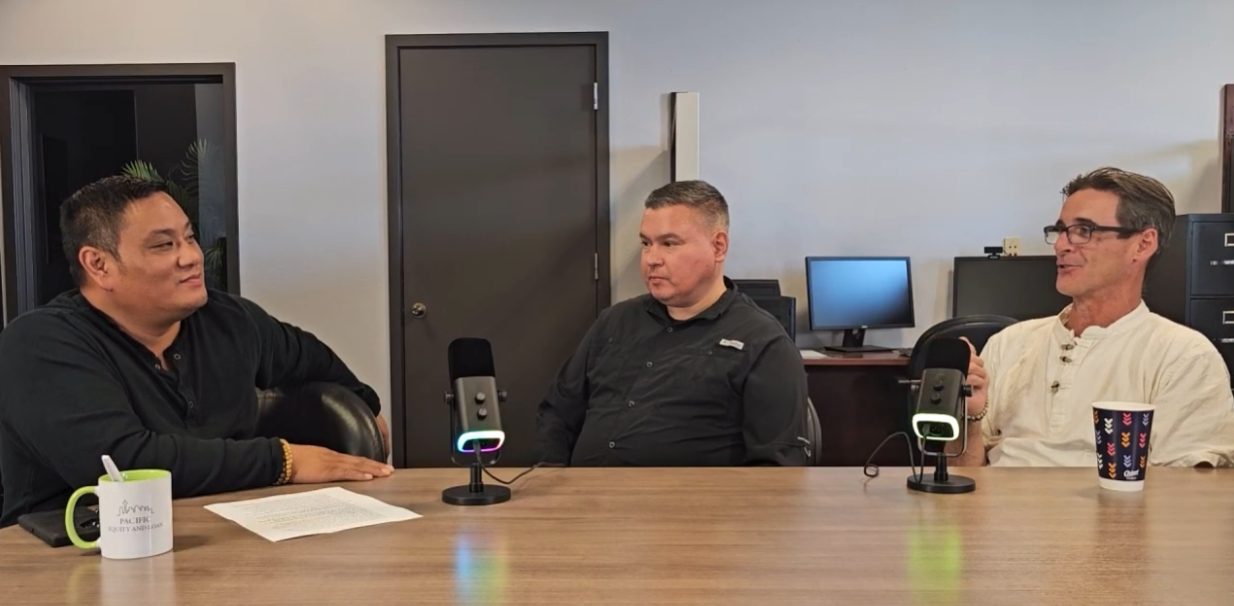
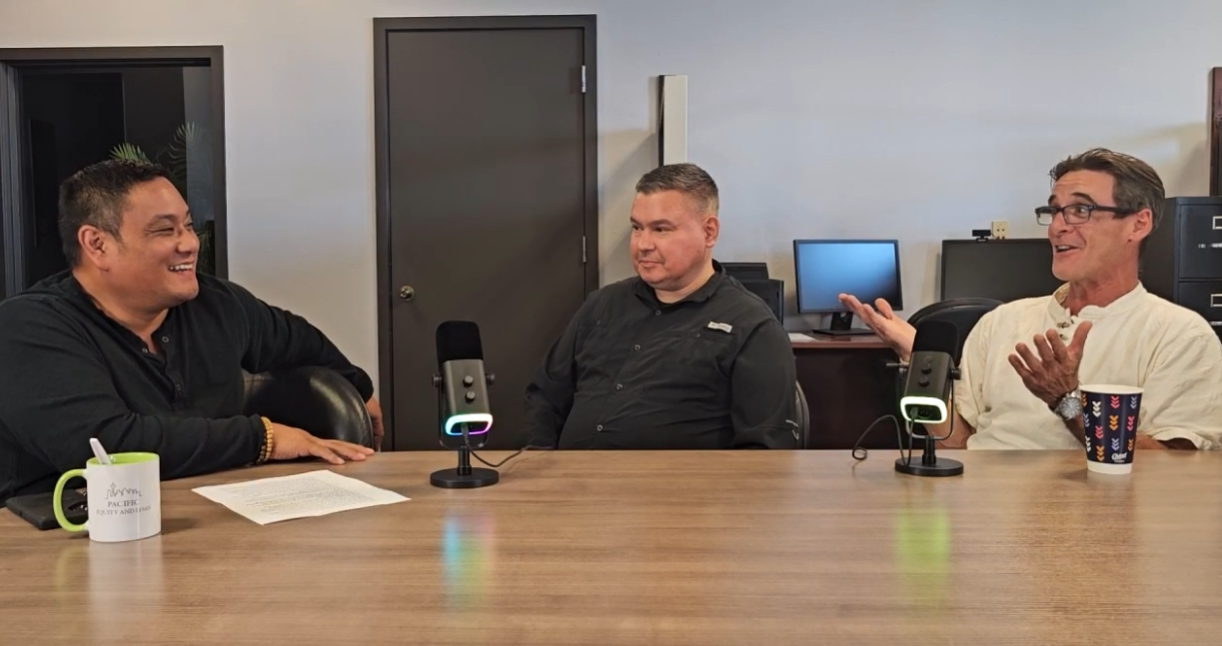
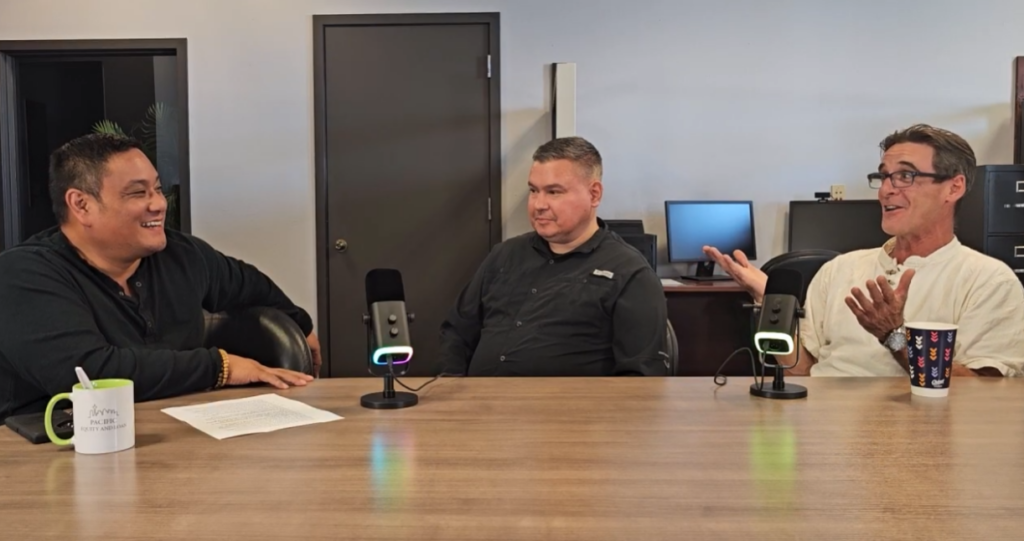
In a recent Pacific Equity & Loan podcast, construction and project management professionals Jason Rariden and Jim Boute shared lessons from their years in the field including what they see investors getting wrong and how better planning can prevent costly problems.
One message stood out:
“Pre-construction is construction.”
In other words, the work you do before construction begins can be just as important as the work happening on the job site.

Why Pre-Construction Planning Matters
Many investors are eager to get started once they find a property.
But before the first demolition or construction work begins, there are several questions that need clear answers:
- What exactly is being built or renovated?
- What will the project realistically cost?
- What permits are required?
- How long will the project take?
- Who is responsible for each part of the project?
- What happens if something doesn’t go according to plan?
According to the podcast discussion, one common challenge among investors is simply not spending enough time in the pre-construction phase.
And that can lead to one of the biggest threats to an investor’s profit: scope creep.

1. A Budget Isn't Enough You Need a Detailed Scope of Work
A construction budget tells you how much you expect to spend.
A scope of work explains what you’re actually going to do.
Those two things should work together.
For example, if a new construction budget includes $75,000 for 26 windows, simply listing that number isn’t enough. Investors should have documentation, specifications, quotes, or invoices that help explain where the number comes from.
A detailed scope of work should help answer:
What will this property look like when the project is finished?
Without that clarity, investors may find themselves making changes throughout construction.
And every change has the potential to affect the budget and timeline.

2. Scope Creep Can Quietly Destroy Your Profit
Imagine you start a flip with a clear renovation plan.
Then you decide to upgrade the kitchen.
Then you decide the bathrooms need better finishes.
Then you add landscaping.
Then you decide to change the flooring.
Individually, these changes might not seem significant.
But together, they can quickly eat into your projected profit.
The podcast describes this as scope creep—when the project gradually expands beyond the original plan. The result can be a rapidly shrinking profit margin.
That’s why investors should establish the scope early and stick to it unless a change is genuinely necessary.
A beautiful renovation doesn’t help if the additional costs eliminate your return.

3. Be Conservative When Building Your Budget
Investors naturally want to believe their project will go perfectly.
But when it comes to budgeting and scheduling, being overly optimistic can create problems.
Jason recommends approaching planning with some conservatism. By giving yourself reasonable room in the budget and schedule, you create flexibility if something unexpected happens.
The idea is simple:
Be optimistic about the outcome, but realistic about the risks.
That mindset can help investors avoid building a deal around numbers that are too tight.

4. Experience Can Help Identify Problems Before Closing
One of the unique perspectives discussed in the podcast is the value of having someone who understands both construction and lending.
Jason describes his role as being able to “translate” between the construction side and the lending side because he understands how investors and builders think while also understanding PEAL’s lending process.
That experience can help identify potential risk points before a loan closes and before construction begins.
For an investor, that can mean catching a questionable budget item or potential problem before it becomes an expensive surprise.

5. Don't Wait Until There's a Problem to Communicate
Construction problems happen.
The important part is how quickly everyone knows about them.
One of the strongest recommendations from the podcast was to communicate issues early and often.
If an investor, contractor, or project manager discovers a problem, they shouldn’t wait until they have the perfect solution before bringing it to the rest of the team.
Instead:
- Identify the problem.
- Communicate it to the relevant people.
- Explain the potential impact.
- Work toward a solution.
- Update everyone once the solution is identified.
This gives the entire team an opportunity to respond before a small issue becomes a major one.
6. Permits Can Become a Profit Problem
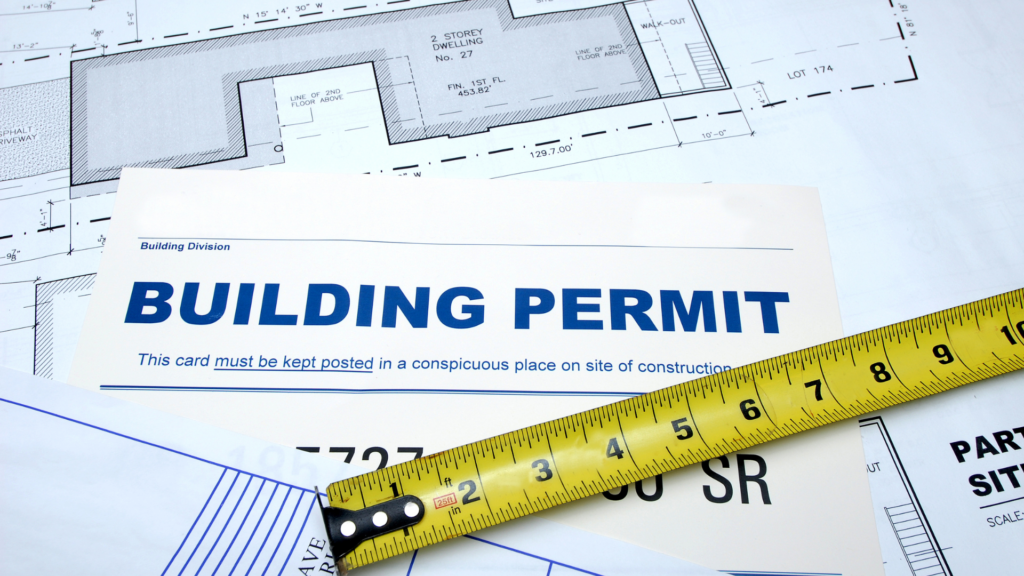
Permitting may not be the most exciting part of a real estate project, but ignoring it can create serious consequences.
A stop-work order can delay a project, and delays can increase carrying costs and interest expenses.
The podcast team discussed how failing to stay compliant can cause projects to fall further behind and, in extreme situations, can even make a project no longer profitable.
Before starting work, investors should understand:
- What permits are required
- Which inspections are needed
- How long approvals may take
- Whether additional testing or documentation is required
A few extra hours of planning can potentially save weeks of delays.

7. Your Lender Should Be Part of the Conversation
Real estate investors sometimes think of the lender as simply the company providing the capital.
But the podcast highlights a different approach.
At Pacific Equity & Loan, the goal is to create a relationship where the lender and investor work together toward a successful project.
Jason explained that investors and lenders should move beyond the traditional “lender vs. borrower” mentality and instead view the relationship as a partnership.
That means transparency matters especially when something isn’t going according to plan.
If there’s an issue with the job site, finances, schedule, or construction, communicating it early can give everyone a better opportunity to find a solution.
👉 Ready to discuss your next project?
👉 Get Pre-Qualified: https://pacificequityloan.com/full-pre-qual/
👉 Contact Our Team: https://pacificequityloan.com/contact/
What Investors Can Take Away
A strong real estate investment isn’t simply about finding a property at the right price.
It’s about having a realistic plan to execute the project.
Before starting your next fix-and-flip or construction project, make sure you have:
✅ A detailed budget
✅ A clearly defined scope of work
✅ A realistic timeline
✅ A plan for permits and inspections
✅ An experienced project team
✅ Room for unexpected costs
✅ Open communication with your lender and partners
The more you plan before construction begins, the more prepared you’ll be when construction actually starts.

How Pacific Equity & Loan Helps Investors
At Pacific Equity & Loan, we understand that every investment project comes with its own set of numbers, challenges, and goals.
Our team looks beyond the surface of a project to understand the details behind the budget, valuation, leverage, and overall investment strategy. The goal is to identify potential risk points early and help create a better outcome for both the investor and the lender.
Whether you’re planning a fix-and-flip, major renovation, or new construction project, having the right financing partner can help you move forward with greater confidence.
👉 Have a project you’re considering? Submit your deal to Pacific Equity & Loan and let our team take a look.
🎥 Want to hear the full conversation?
Watch the full Pacific Equity & Loan podcast on YouTube to hear Jason and Jim share more real-world construction lessons, project challenges, and advice for investors. https://www.youtube.com/watch?v=A9-FW7hLU4o&t=3s

Frequently Asked Questions
1. What is pre-construction planning?
2. Why is a scope of work important?
3. How can scope creep affect a fix-and-flip?
4. Why should investors communicate problems early?
5. What should investors consider before starting construction?
🎥 There's More to the Story
This blog covers only a few of the lessons discussed in the podcast.
Watch the full episode on YouTube to hear the real-world stories behind these lessons including projects that went wrong, how the team handled difficult situations, and what investors can learn from years of construction experience. https://www.youtube.com/watch?v=A9-FW7hLU4o&t=3s