Buying raw land can be one of the most profitable real estate investments you’ll ever make but it can also become one of the most expensive mistakes if you don’t do your homework.
Unlike purchasing an existing home or even a fix-and-flip project, land development comes with countless unknowns that can dramatically impact your timeline, budget, and profitability.
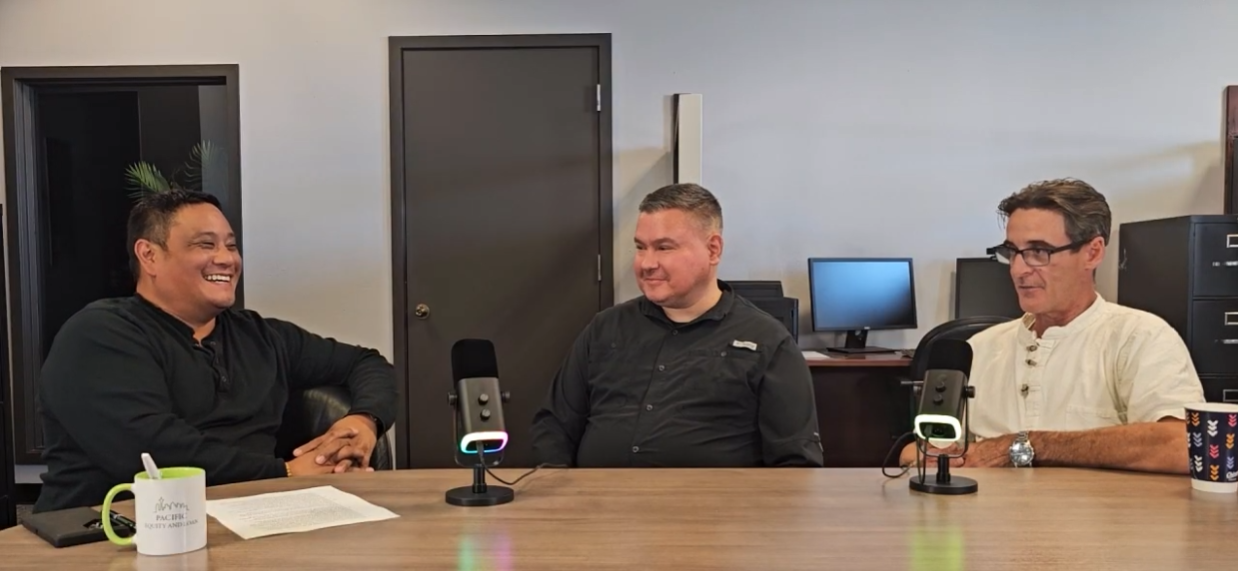
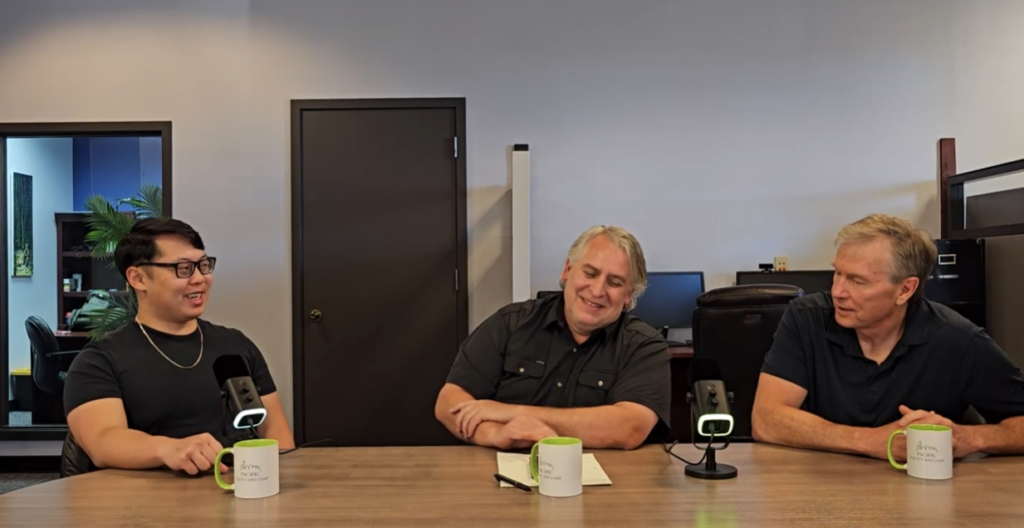
In a recent Pacific Equity & Loan podcast Real Deals, Real People, we sat down with Damon DeRosa, Professional Civil Engineer, and Bill Kreling, Licensed Geologist of LSN Surveyors & Engineers, who together bring more than 70 years of combined experience helping investors navigate land development projects. They shared practical advice that every investor should hear before buying raw land.
Here are some of the biggest lessons from the conversation.
Raw Land Isn't Like Buying a House
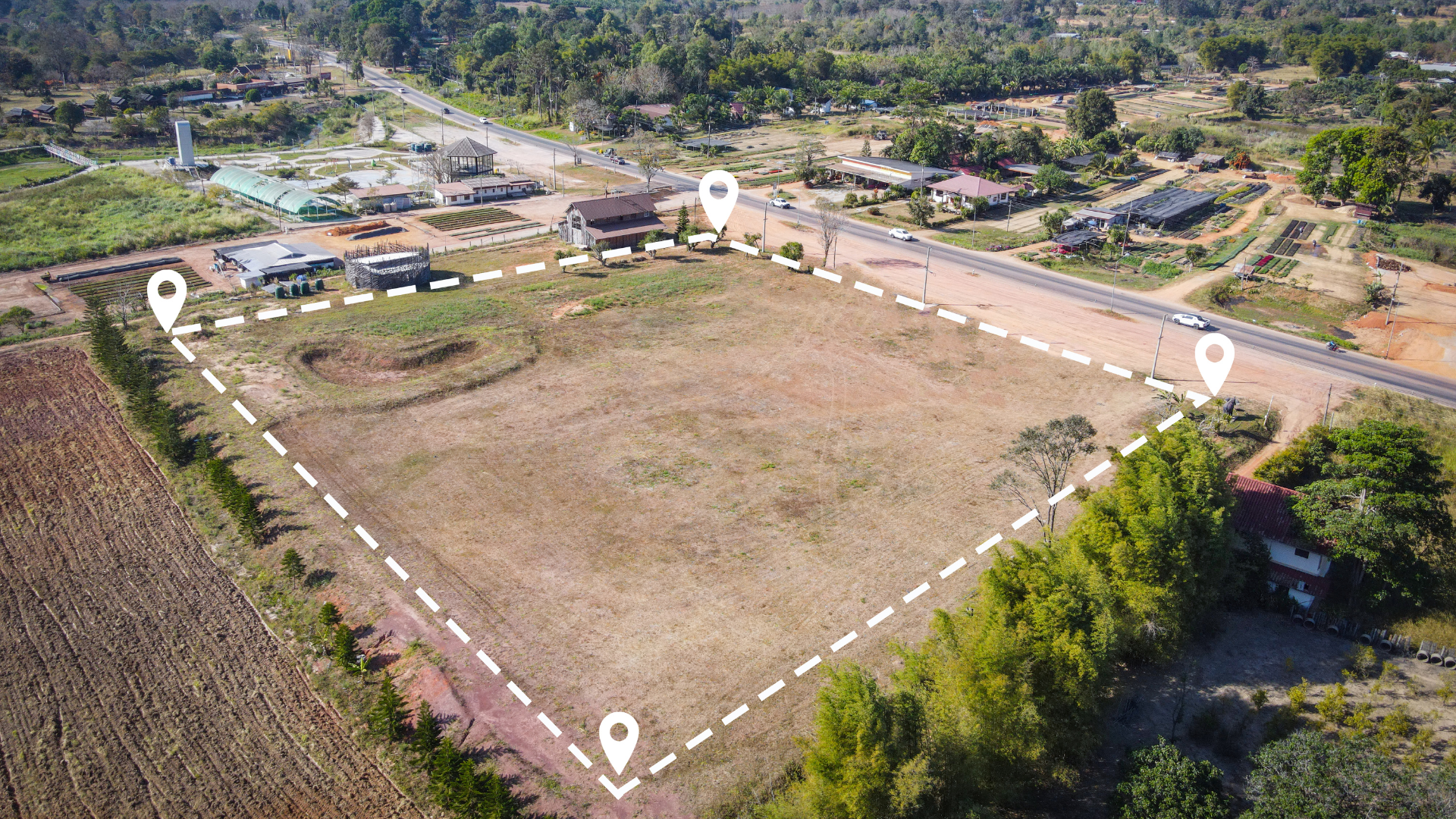
Many investors assume that if a piece of land is listed for sale, it’s automatically buildable.
Unfortunately, that’s far from the truth.
A property might have:
- Wetlands
- Floodplain restrictions
- Poor soil conditions
- No legal access
- Costly stormwater requirements
- Archaeological review requirements
- Utility challenges
Each one of these issues can significantly increase costs—or make the property impossible to develop altogether.
That’s why experienced developers never rely solely on a listing description.
Instead, they verify exactly what they’re buying before closing.
The Most Important Step: Complete a Feasibility Study
One of the biggest takeaways from the podcast was surprisingly simple:
Always complete a feasibility study before purchasing land.
A feasibility review helps determine whether your vision for the property is actually possible.
It answers questions like:
- Can the property legally be developed?
- How many lots are realistically possible?
- Will additional engineering studies be required?
- Are there environmental or cultural restrictions?
- What permits will be needed?
- What unexpected costs could arise?
The earlier these questions are answered, the lower your investment risk becomes.
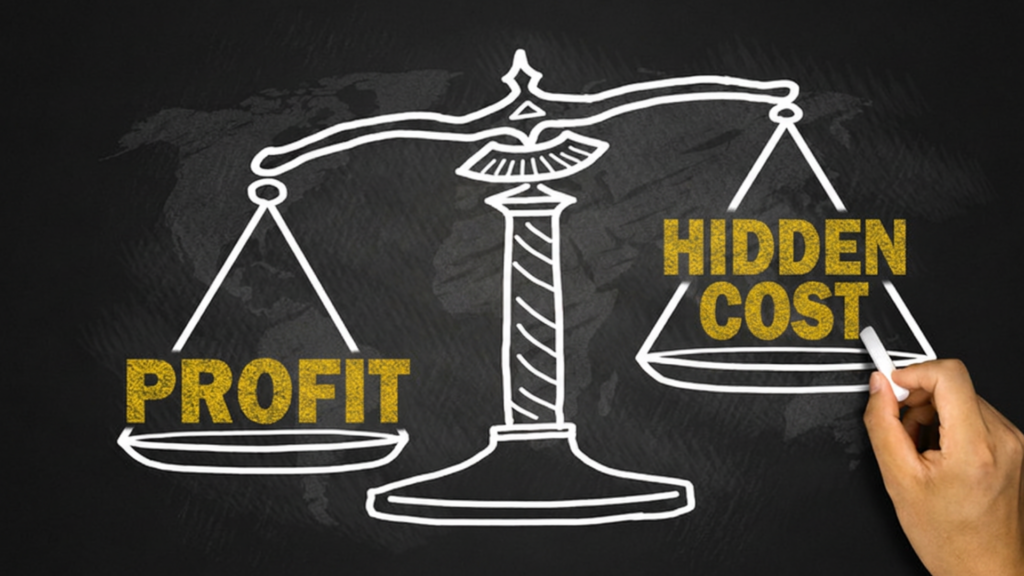
Hidden Costs Can Destroy Your Profit
One of the most valuable pieces of advice shared during the interview was this:
Development costs almost always increase, they rarely decrease.
Many investors underestimate:
- Permit timelines
- Holding costs
- Engineering expenses
- Utility installation
- Stormwater systems
- Regulatory changes
- Construction delays
Even experienced developers build extra room into their numbers because unexpected costs are almost guaranteed to appear.
If your profit margin is already thin at the beginning of a project, those surprises can quickly erase your returns.

Why "Time Is Money" Matters More Than Ever
Buying land isn’t just about the purchase price.
Every month you own the property comes with carrying costs:
- Interest payments
- Property taxes
- Insurance
- Opportunity cost
- Delayed construction
Longer permitting timelines mean your capital is tied up for months—or sometimes years.
The podcast highlights how many investors underestimate these delays when analyzing deals.
That’s why experienced developers always budget conservatively.

New Regulations Can Change Everything
Development rules don’t stay the same.
Regulations surrounding:
- Wetlands
- Stormwater management
- Cultural resource reviews
- Environmental protection
- Building setbacks
Can all change over time.
A property that was easy to build on several years ago may require significantly more work today.
One example discussed in the podcast is how expanded wetland buffer requirements have affected development opportunities across Washington.
Always verify current regulations instead of relying on old reports or assumptions.

Thinking About Building an ADU?
Accessory Dwelling Units (ADUs) remain an attractive investment strategy, but they’re not immune to permitting requirements.
Before developing an ADU, investors should understand:
- Archaeological review requirements
- Site-specific regulations
- Critical area reviews
- County pre-screening processes
Fortunately, many jurisdictions allow investors to begin this review before purchasing the property, giving buyers valuable information during due diligence.
➤ For details on how Pacific Equity & Loan supports ADU investments, visit the Pacific Equity & Loan ADU page.

What Happens If the Property Isn't Buildable?
This is every investor’s nightmare.
According to Damon and Bill, not every project needs to be abandoned.
Sometimes the solution is surprisingly simple:
Reduce the scope of the project.
Instead of trying to maximize density, consider:
- Fewer lots
- Smaller development
- Less infrastructure
- Simpler site improvements
As Damon explained:
“Sometimes less is more.”
Reducing complexity can lower infrastructure costs while still creating a profitable investment.

How Financing Fits Into the Picture
Even the best land development opportunity requires careful financial planning.
Before moving forward, investors should understand:
- Total project costs
- Estimated timelines
- Carrying costs
- Exit strategy
- Available financing options
Whether you’re planning a subdivision, building new construction, or adding an ADU, having the right financing strategy can help you stay prepared for unexpected costs and timeline changes.
At Pacific Equity & Loan, we work with real estate investors financing projects ranging from new construction and land development to fix-and-flips and ADUs, helping them move from opportunity to execution with confidence.
👉 Get Pre-Qualified: https://pacificequityloan.com/full-pre-qual/
👉 Contact Our Team: https://pacificequityloan.com/contact/