A real estate investment project doesn’t become successful simply because the property was purchased at the right price or the financing was approved.
What happens after closing matters just as much.
For fix-and-flip investors, new construction developers, and real estate professionals managing complex projects, success often depends on the decisions made before construction begins and how the team responds when things don’t go according to plan.
A detailed budget. A realistic schedule. A clear scope of work. A reliable team. Open communication.
These are the foundations that can help turn a challenging project into a manageable one.
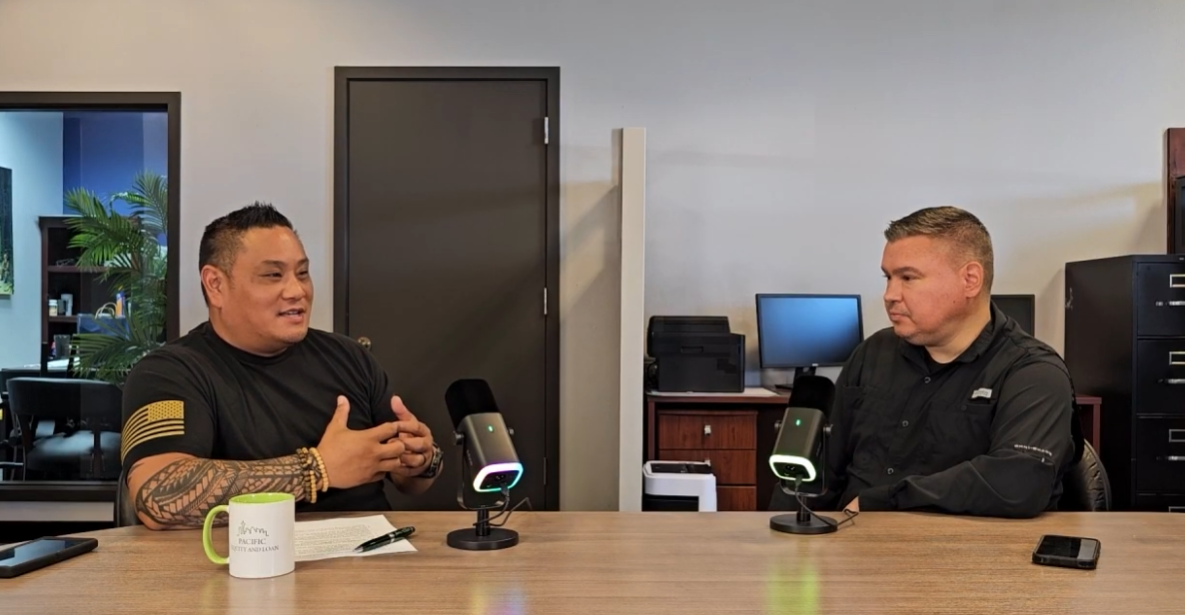
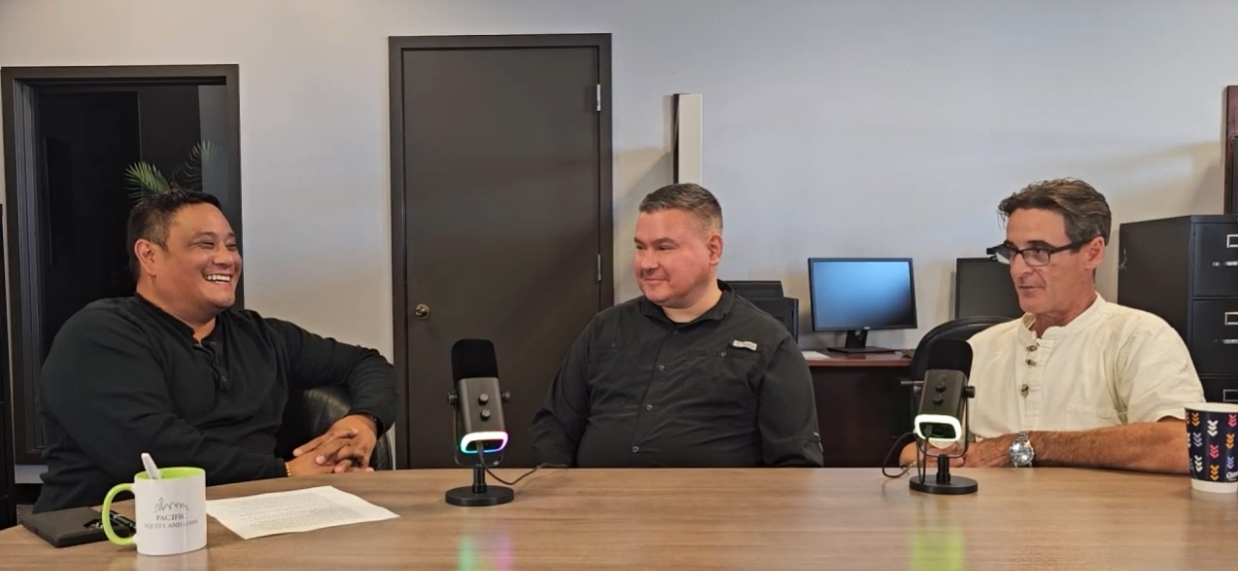
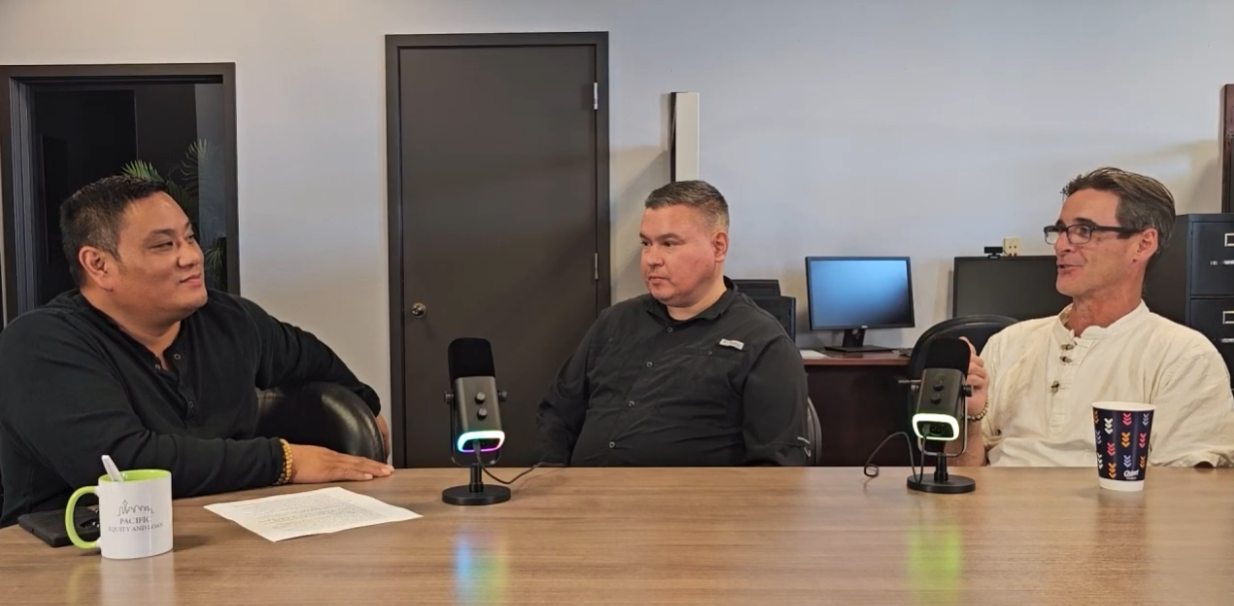
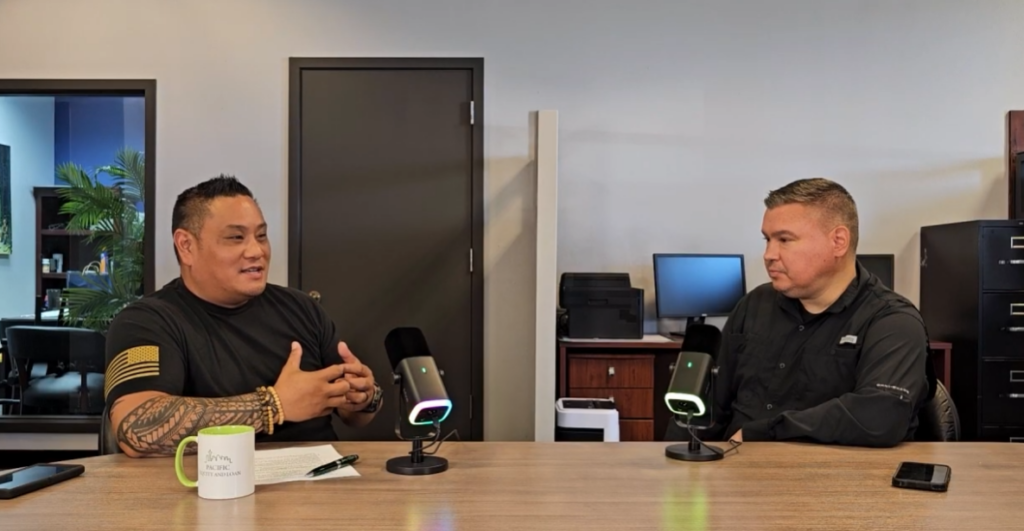
In a recent Pacific Equity & Loan podcast conversation, host Rob Apostol sat down with Jason Rariden, a member of the PEAL team whose background spans construction management, project management, underwriting support, and real estate development. Jason shared lessons from years of working on construction projects, including difficult jobs, failed inspections, budget challenges, and the importance of building strong relationships.
His message was clear: Successful projects require more than a good plan. They require preparation, accountability, adaptability, and a team willing to work through challenges together.
🎥 Want to hear the full conversation? Watch the complete podcast on our YouTube channel. https://www.youtube.com/watch?v=rj04BAO-YDg&t=4s

What should investors review during preconstruction?
A thorough planning process may include:
- Reviewing the project plans and scope of work.
- Building a detailed construction or renovation budget.
- Evaluating contractor and subcontractor estimates.
- Identifying materials, labor, permits, and other project costs.
- Creating a realistic construction schedule.
- Understanding potential risks and delays.
- Confirming that the project is appropriate for the team’s experience and resources.
The goal is to understand the project on paper before it begins in the field.
A budget with broad numbers may look complete, but it doesn’t always explain what those numbers actually cover. The more detail the team has upfront, the easier it becomes to identify questions and potential gaps before construction starts.

One part of Jason’s role at Pacific Equity & Loan involves reviewing project budgets and helping bridge the gap between the construction side and the lending side.
His experience as a construction professional allows him to look at a budget from the perspective of someone who understands plans, blueprints, and project execution.
Why detailed budgets matter
A clear budget can help investors:
Understand the actual scope. Know what work is included and what may fall outside the original plan.
Identify potential gaps. Spot costs that may not have been fully accounted for.
Communicate with the construction team. Make sure everyone is working from the same expectations.
Prepare for underwriting questions. Provide the information needed to evaluate the project more thoroughly.
Make better project decisions. Understand where the numbers may need to be refined before work begins.
As Jason explained during the interview, the more accurately the project budget reflects the work, the better the team can understand the project’s expectations.
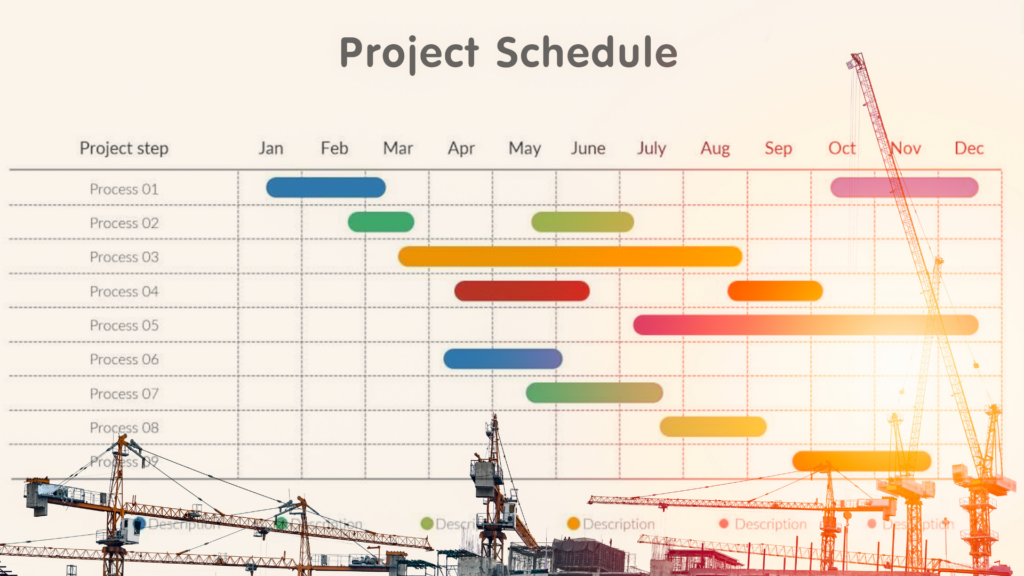
Many investors want a perfect construction schedule.
But according to Jason, there is no such thing as a perfect schedule.
A schedule is created using past experience, known variables, and the information available at the beginning of the project. Once construction starts, circumstances can change.
The key is keeping the schedule updated and making sure everyone understands what is happening.
What makes a construction schedule effective?
A useful project schedule should be:
- Based on realistic expectations.
- Updated as the project progresses.
- Shared with the relevant stakeholders.
- Adjusted when delays or setbacks occur.
- Connected to the project’s budget and completion goals.
For an investor, this means regularly checking whether the project is still on track and understanding the impact of changes.
If a project is expected to take six months but begins moving toward eight or nine months, that difference matters.
Additional time can affect holding costs, financing expenses, contractor coordination, and the overall project outcome.
A schedule should be treated as a working plan—not a document that gets created once and forgotten.

Jason shared an important lesson from his experience: when something isn’t going well, don’t keep it to yourself while hoping to figure everything out alone.
Instead, bring the issue to the relevant stakeholders.
That includes the investor, contractor, lender, project manager, or other team members who may be affected.
What should you communicate?
When a problem comes up, explain:
- What happened.
- What is currently known.
- What is still being investigated.
- Whether the budget may be affected.
- Whether the schedule may be affected.
- What steps are being taken to find a solution.
You may not have the answer immediately.
But communicating the problem early gives the team an opportunity to understand the situation and work toward a solution.
Transparency helps keep everyone aligned
For real estate investors, this is especially important when working with a lender.
A construction delay, unexpected expense, or project change may affect the financing and completion expectations. Communicating early helps ensure that the relevant parties have a clearer understanding of what is happening.
As Jason emphasized, transparency should happen both when things are going well and when they aren’t.
A problem that is communicated early can be addressed with more information than a problem that is hidden until the last minute.
👉 Contact Our Team: https://pacificequityloan.com/contact/
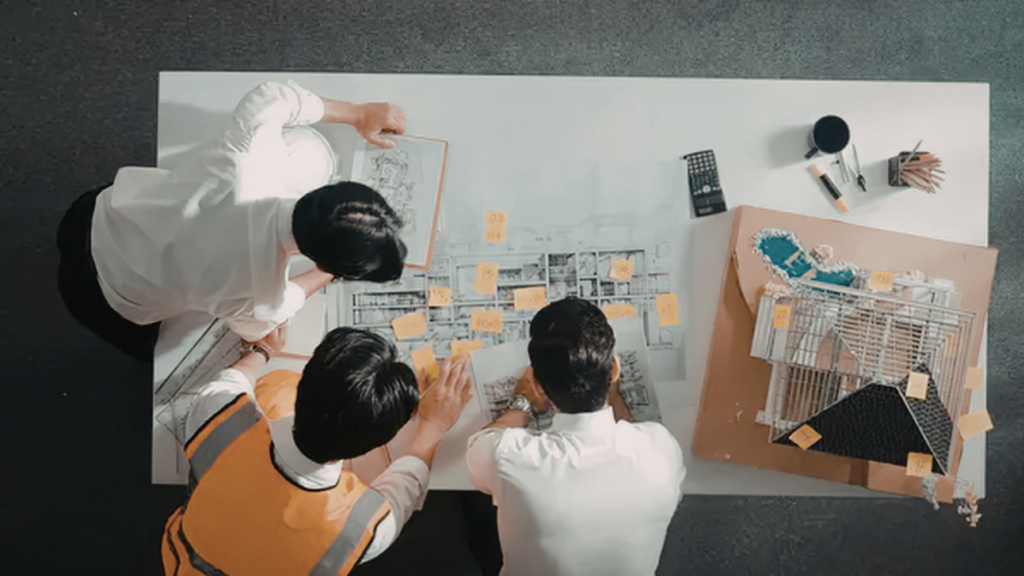
Jason and Rob discussed how small acts of appreciation can help build better relationships with the people working on a project.
Something as simple as bringing lunch, coffee, or donuts to the job site can show appreciation for the work being done.
What helps create a reliable project team?
Clear communication. Everyone should understand expectations and responsibilities.
Fair and timely payments. Contractors and subcontractors need to know that their work is being handled professionally.
Respect. Construction work can be demanding, and project leaders should recognize the effort involved.
Organization. A well-managed schedule helps trades coordinate their work.
Consistency. Strong working relationships develop over time through reliable communication and follow-through.
Jason described how loyalty can develop when teams work together across multiple projects.
For investors planning to complete multiple fix-and-flips or construction projects, building dependable relationships can become an important part of long-term project management.
👉 Have a project you’re considering? Submit your deal to PEAL and let’s take a look.
👉 Get Pre-Qualified: https://pacificequityloan.com/full-pre-qual/
👉 Contact Our Team: https://pacificequityloan.com/contact/

The Bottom Line
A successful real estate investment is about more than buying a property and securing financing.
It also depends on what happens during the project.
Planning. Budgeting. Scheduling. Communication. Teamwork. Adaptability.
These are the practices that can help investors approach construction projects with a clearer understanding of the work involved.
Jason’s experience shows that even professionals with years in the industry encounter difficult projects, unexpected problems, and situations that test their ability to keep going.
The difference is how they respond.
At Pacific Equity & Loan, we believe financing is part of a bigger conversation about the investment project—not simply a transaction.
Understanding the budget, scope of work, timeline, and overall project expectations can help investors and their lending partners work toward a clearer picture of the opportunity.
Because getting the project started is one step. Building a plan to finish it is what matters.
Planning Your Next Investment Property?
Whether you’re considering a fix-and-flip, new construction project, or another non-owner-occupied investment property, Pacific Equity & Loan can help you explore your financing options.
Ready to discuss your next project?