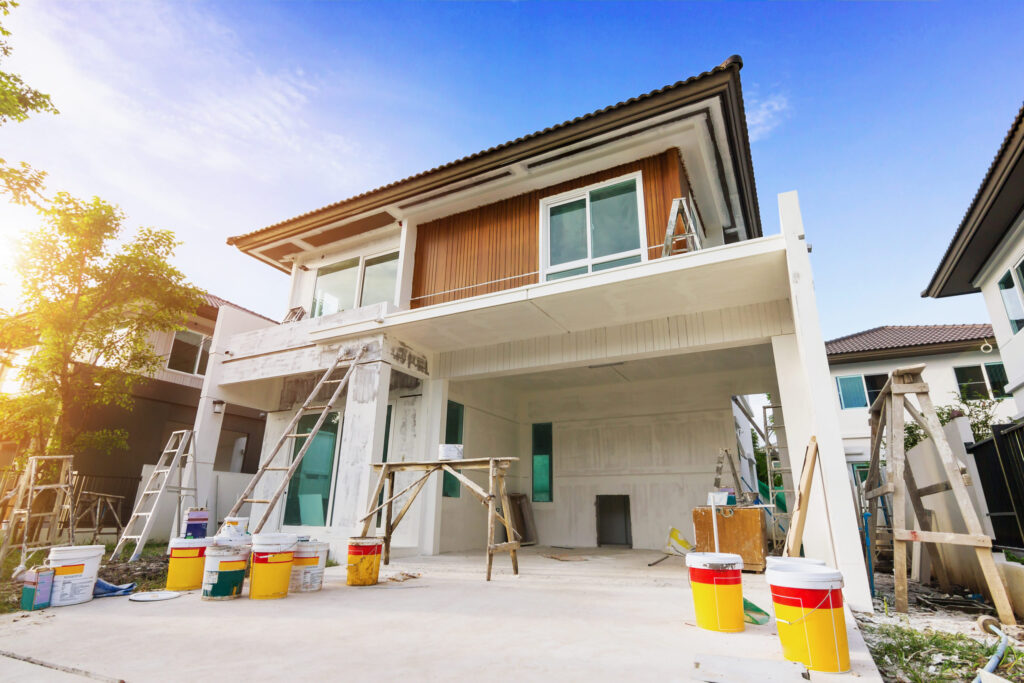
For real estate investors, finding the right property is only the first step. The next challenge is turning the investment plan into a completed project—while managing budgets, permits, contractors, materials, timelines, and financing.
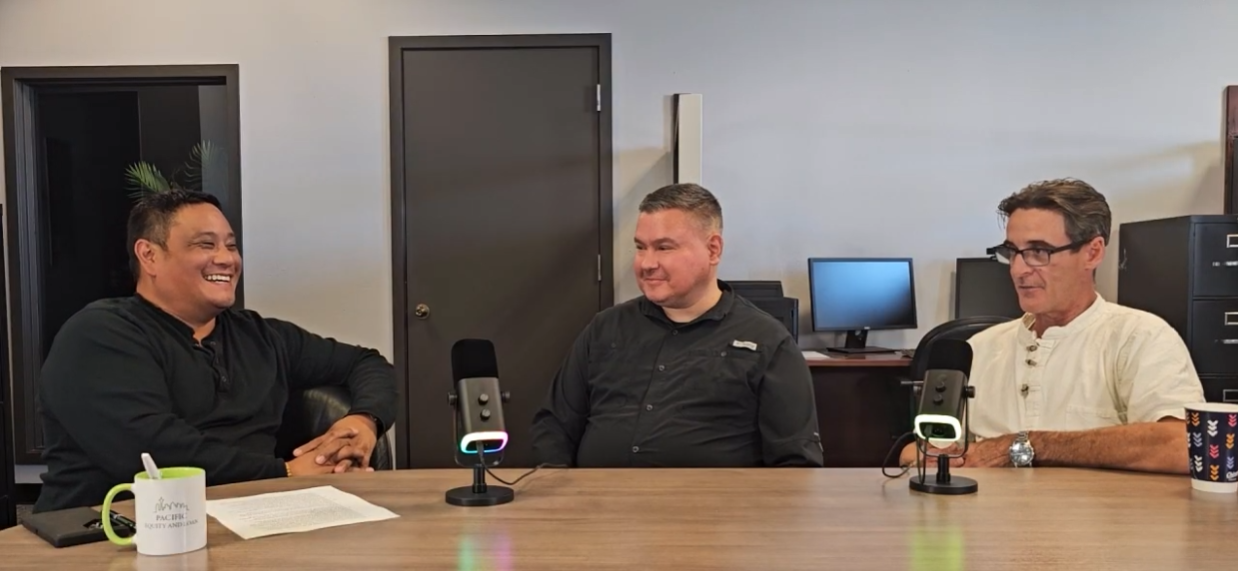
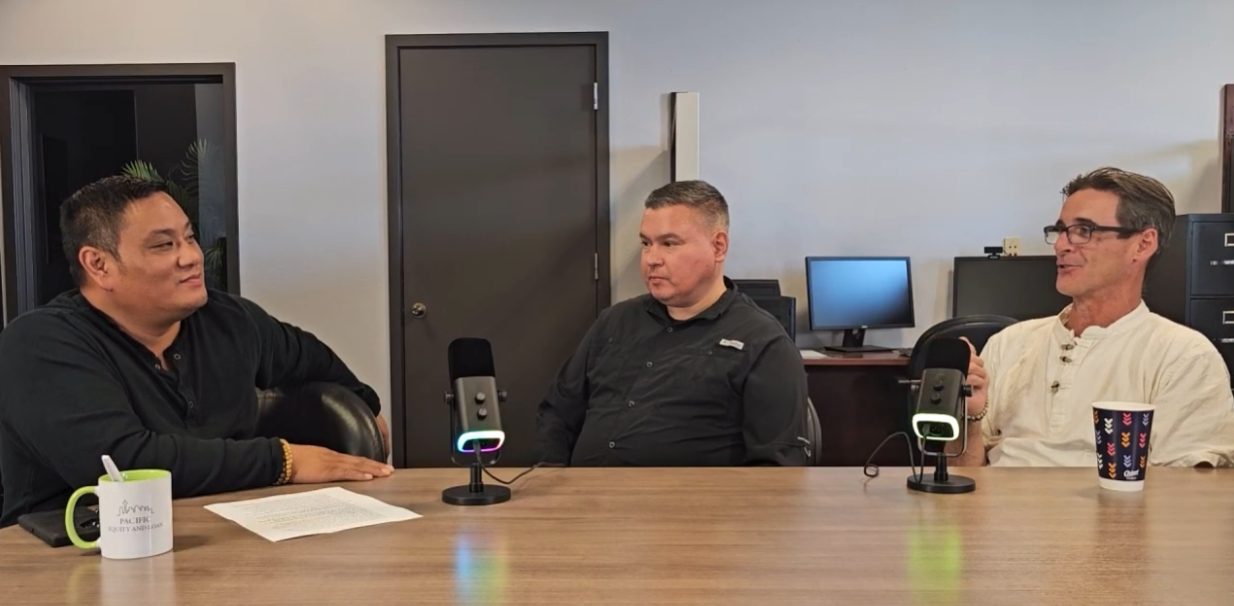
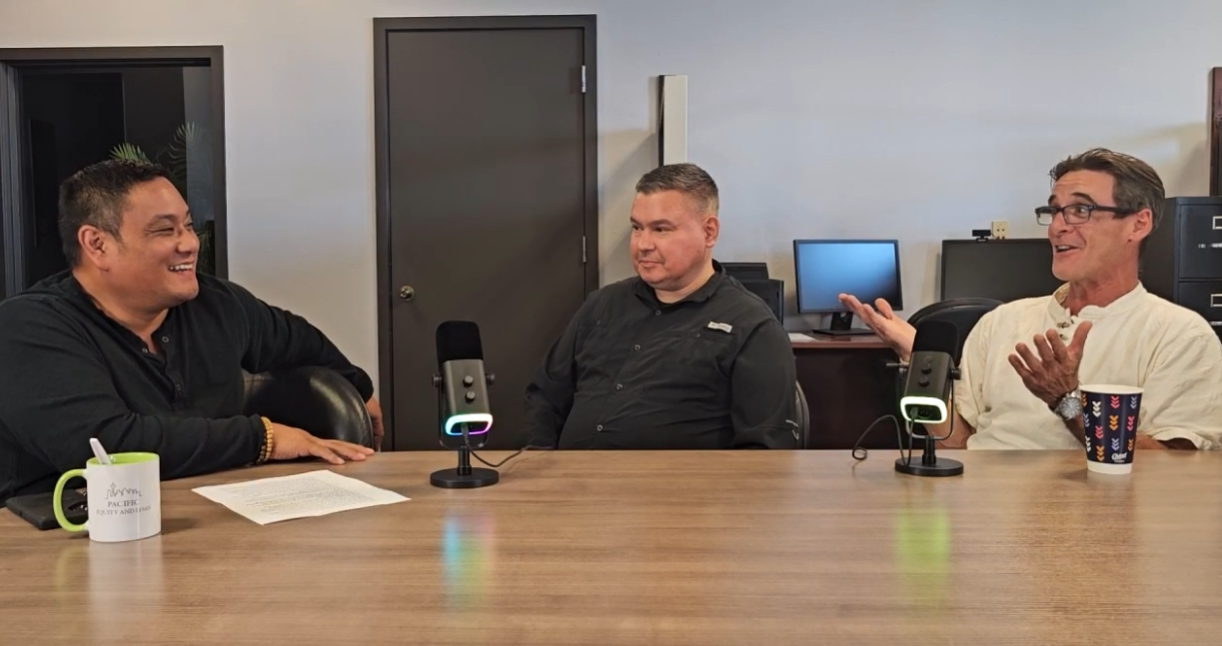
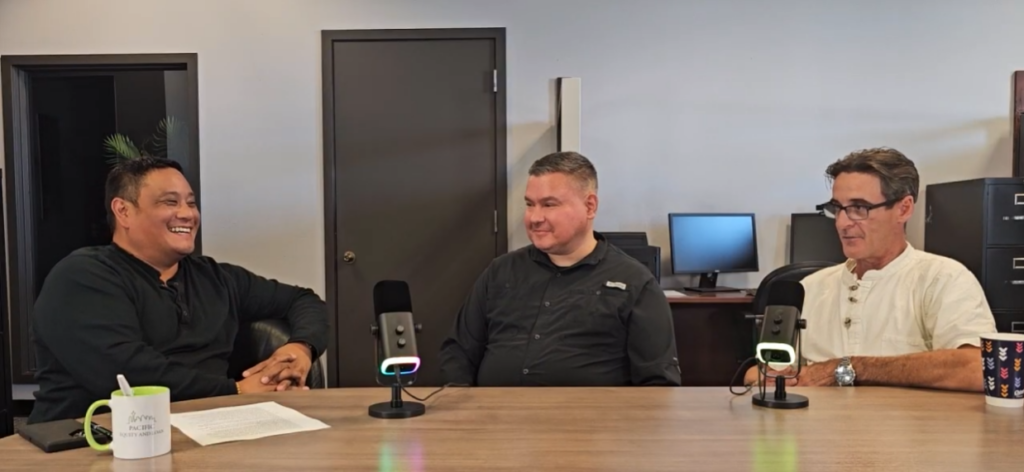
In a recent Pacific Equity and Loan podcast episode, Jason Rariden and Jim Boute shared practical construction lessons based on decades of experience in construction, project management, and lending.
Their biggest takeaway? Construction planning starts before construction begins.
🎥 Want to hear the full conversation? Watch the complete podcast on our YouTube channel. https://www.youtube.com/watch?v=A9-FW7hLU4o&t=3s

Why Preconstruction Planning Matters
One of the key ideas from the podcast is simple:
Preconstruction is construction.
Before purchasing a property or starting work, investors should understand the project’s:
- Scope of work
- Construction budget
- Contractor and subcontractor team
- Permit requirements
- Project timeline
- Material requirements
- Draw process
- Potential risks and contingencies
Starting construction without these pieces in place can lead to delays, unexpected expenses, and unnecessary stress.
A property may look like a great investment on paper, but the numbers can change quickly if construction costs or timelines aren’t realistic.
Scope of Work vs. Construction Budget
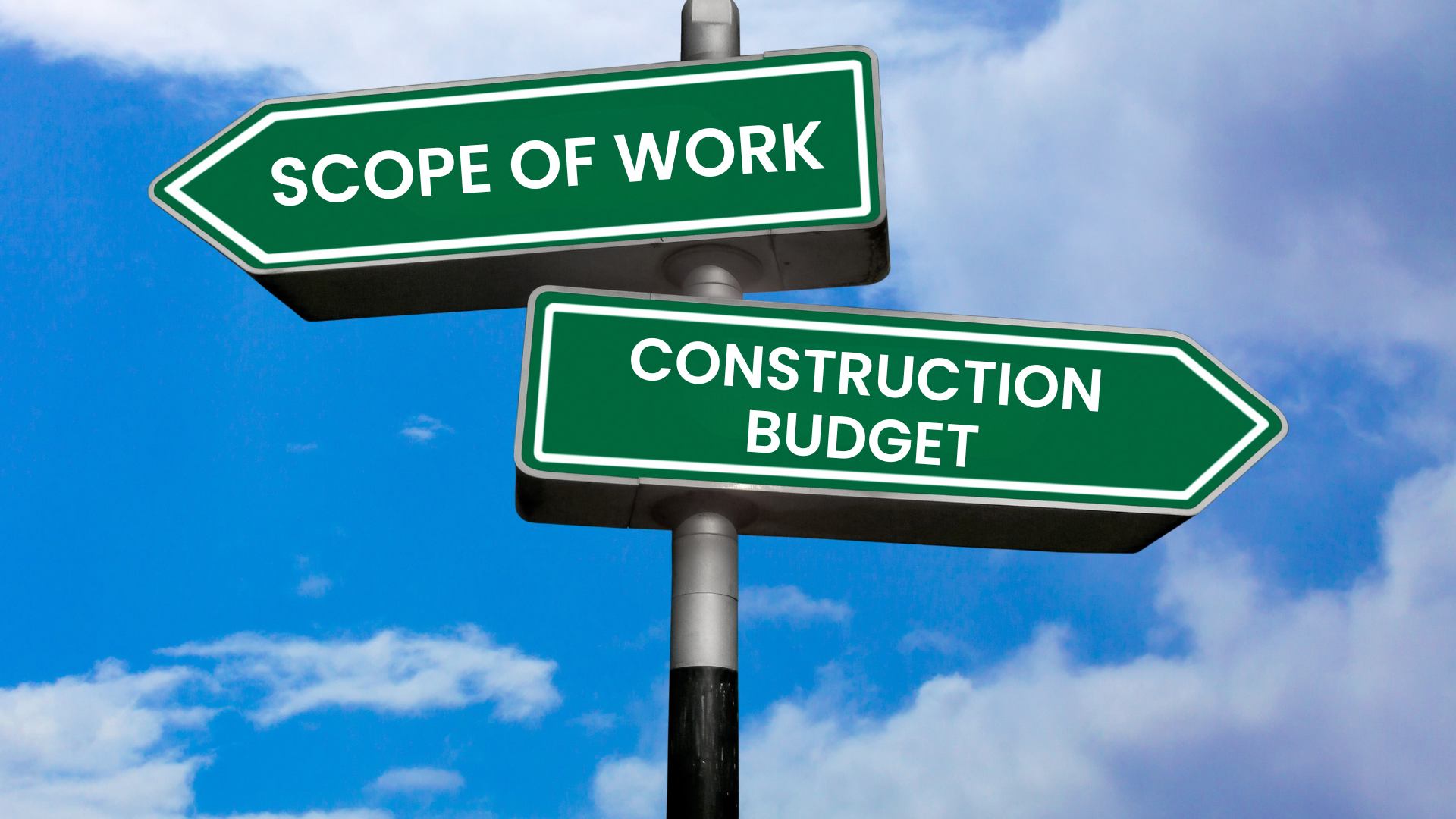
A common mistake is treating the scope of work as the project budget.
They’re not the same.
A scope of work explains what needs to be completed. A construction budget estimates what that work is expected to cost.
For example, “renovate the kitchen” is a starting point—not a complete construction plan.
Investors should understand the specific work involved, obtain appropriate bids, and make sure the budget reflects the actual scope.
This can also help reduce scope creep, where additional work gradually increases costs and reduces the expected profit margin.

Permits Can Prevent Bigger Problems
Permitting was another major topic discussed by Jason and Jim.
Permit requirements vary depending on the project and jurisdiction. Some cosmetic improvements may have limited requirements, while structural, plumbing, electrical, roofing, window, or other work may require permits and inspections.
Investors should confirm local requirements before construction begins.
Skipping required permits can potentially result in stop-work orders, project delays, additional costs, and complications when selling the property.
Permitting isn’t simply about paperwork. It can also help ensure that applicable construction and safety requirements are addressed.
Build Your Construction Team Early
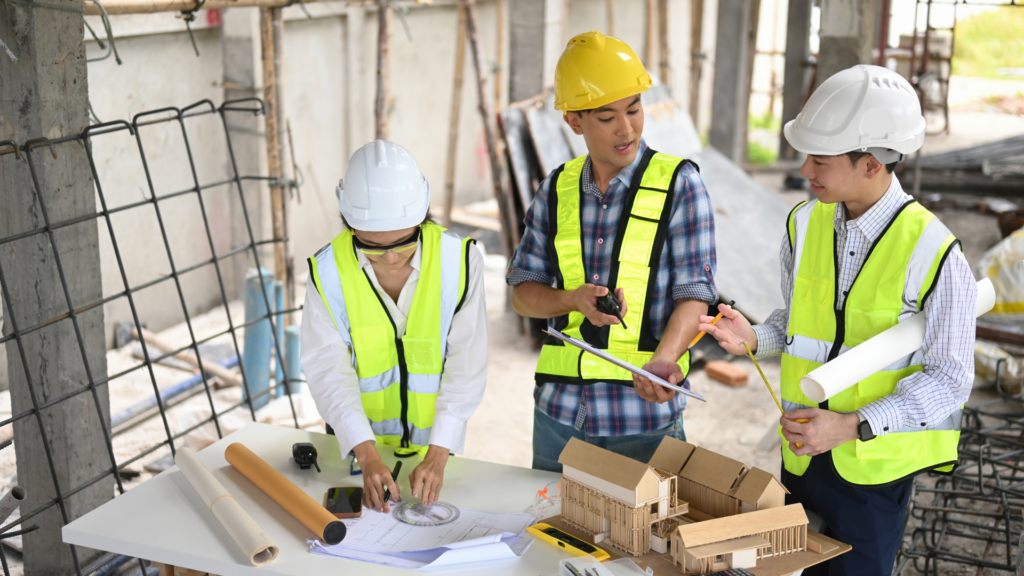
Your construction team can have a major impact on your project’s timeline and budget.
Before starting a fix and flip or new construction project, investors should consider who will handle the work and whether their experience matches the project’s complexity.
Getting contractor and subcontractor bids early can help investors understand whether their construction budget is realistic.
It’s also important to plan for materials. Certain products may have long lead times, and waiting until the last minute to order them can affect the entire project schedule.
👉 Contact Our Team: https://pacificequityloan.com/contact/

Know Your Experience Level
Jason also emphasizes the importance of understanding your own experience.
An investor with experience completing several smaller fix and flips may have valuable knowledge—but a significantly larger or more complicated development can introduce challenges they haven’t encountered before.
That doesn’t mean investors shouldn’t grow.
It means they should build the right team around the project.
For more complex deals, experienced contractors, architects, engineers, project managers, or other professionals may provide expertise that the investor doesn’t have personally.

Understanding Construction Draws
For investors using construction financing, understanding the draw process is another important part of project planning.
Construction draws are connected to project progress, making documentation and communication important.
Jason discusses how PEAL considers the complete picture when reviewing project progress, including inspection information, photos, borrower communication, and other available details.
For borrowers, the takeaway is straightforward:
Document your work and communicate early.
If a project encounters a delay, change, or unexpected issue, communicating it early can help everyone understand the situation and determine the appropriate next steps.
👉 Ready to discuss your next project?
👉 Get Pre-Qualified: https://pacificequityloan.com/full-pre-qual/
How PEAL Supports Real Estate Investors
At Pacific Equity and Loan, financing is only one part of the conversation.
PEAL approaches business-purpose lending by looking at the project as a whole—including the scope, budget, timeline, experience, and overall investment plan.
For investors working on qualifying fix and flip or new construction projects, the PEAL team can help borrowers understand financing options and navigate the lending process.
The goal isn’t simply to ask, “How much can you borrow?”
It’s also about asking:
“Does the project make sense, and are you prepared to execute it?”
That mindset can help investors identify potential issues before they become costly problems.
Let’s talk about your next project.
👉 Get Pre-Qualified: https://pacificequityloan.com/full-pre-qual/
👉 Contact Our Team: https://pacificequityloan.com/contact/

Watch the Full Podcast
There is much more to the conversation than we can cover in one blog post.
Jason and Jim share real-world construction stories, discuss permits and project planning, explain the importance of realistic budgets and timelines, and provide advice for investors taking on their next project.
Watch the full Pacific Equity and Loan podcast episode to hear their insights directly and learn more about preparing for your next investment project.
https://www.youtube.com/watch?v=A9-FW7hLU4o&t=3s

Final Takeaway
Successful real estate investing isn’t only about finding a property with potential.
It’s about having a realistic plan to execute the project.
Before you break ground, understand your scope, know your numbers, build your team, plan your permits, anticipate material needs, and understand how your financing and construction draws will work.
The more prepared you are before construction begins, the better positioned you may be to manage the challenges that come with the project.
Planning a fix and flip or new construction investment? Connect with Pacific Equity and Loan to discuss your project and financing needs.