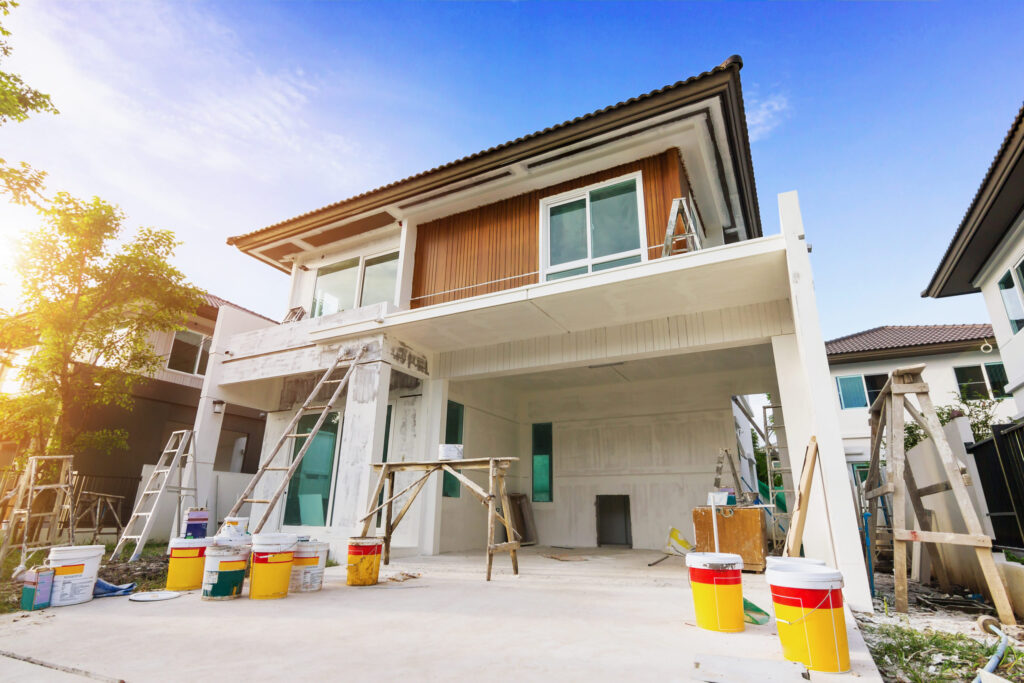
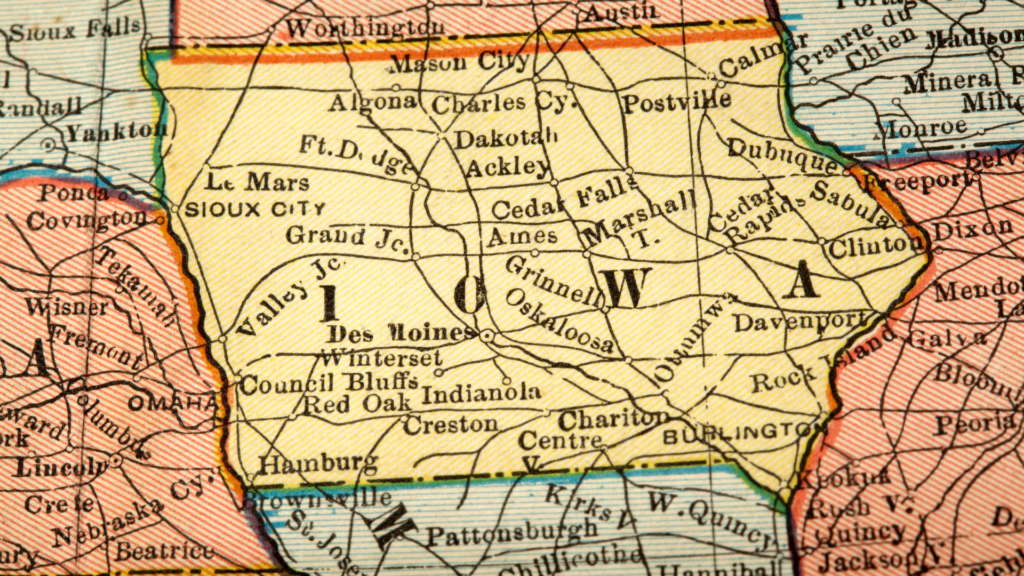
Iowa can be a strong fix-and-flip market because it offers low acquisition costs, steady price growth, and less competition compared to coastal states. Investors can still find distressed properties at affordable entry points, renovate within predictable budgets, and exit into stable buyer demand. Success depends on choosing the right metro areas and avoiding over-improvement in lower-priced neighborhoods.
Why Is Iowa Becoming a Popular Place to Live and Invest in Real Estate?
Iowa is gaining attention because it combines affordability with stability—two things investors struggle to find in overheated markets.
Key drivers of demand:
- Lower cost of living compared to national average
- Stable job base (healthcare, education, agriculture, manufacturing)
- Consistent in-migration to metro areas like Des Moines
- More balanced housing conditions compared to volatile coastal markets
Recent data shows Iowa home values continue to rise steadily, with ~3.7%–5.3% annual growth depending on the dataset and active demand in key metros. (zillow.com) (redfin.com)
Is Iowa Affordable for Fix-and-Flip Investors Compared to Other States?
Yes, Iowa is one of the more affordable fix-and-flip markets in the U.S.
Typical pricing ranges:
- Distressed entry properties: $80K–$150K
- Moderate rehab homes: $150K–$250K
- Resale after renovation: $220K–$350K depending on metro (realtor.com)
Why affordability matters:
- Lower acquisition risk per deal
- Smaller renovation budgets
- Easier financing approval for first-time investors
- Faster break-even timelines compared to high-cost states
Compared to markets like Connecticut or California, Iowa allows investors to scale more deals with less capital exposure.

Is Iowa a Good Market for First-Time Real Estate Investors?
Yes, Iowa is considered beginner-friendly for real estate investors, especially for fix-and-flip strategies.
Why it works for beginners:
- Lower entry prices reduce financial pressure
- Less institutional competition than major metro states
- More room for error without catastrophic losses
- Clear and predictable resale ranges in most metros
Beginner-friendly strategy:
- Start with cosmetic flips (not heavy rebuilds)
- Target 2–3 bedroom single-family homes
- Stick to high-demand metro neighborhoods

What Makes Iowa Attractive for Out-of-State Real Estate Investors?
Out-of-state investors are increasingly looking at Iowa because it offers cash flow stability with lower competition.
Key advantages:
- Lower acquisition costs than national average
- Steady rental demand in metro areas
- Less bidding pressure on off-market deals
- Predictable rehab costs and contractor availability
Strategy used by out-of-state investors:
- Buy undervalued homes in growing suburbs
- Renovate to modern resale standards
- Exit to local buyers who prefer move-in-ready homes
Because Iowa is not heavily investor-saturated, out-of-state buyers often have more time to underwrite deals properly.

What to Look Out for in Iowa Fix-and-Flip Projects
1. Over-improving properties
Many investors overspend on renovations that the neighborhood cannot support.
2. Neighborhood ceiling limits
Even after renovation, resale values may be capped by local income levels.
3. Older housing stock
Common issues include:
- Roof replacements
- Foundation repairs
- Electrical and plumbing updates
4. Slower-moving rural markets
Some areas outside metros can have longer hold times and weaker demand.
Ready to start your next project?
👉 Submit your project here
👉 Talk to us
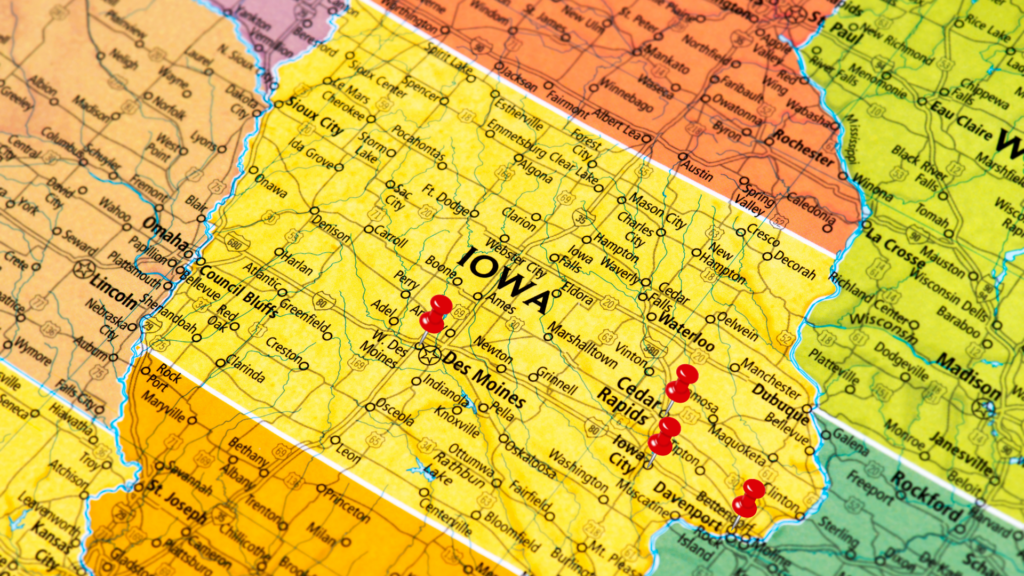
Metro Areas to Watch in Iowa
Des Moines Metro
- Largest and most active real estate market in Iowa
- Strong job base and population growth
- Best liquidity for flips
Cedar Rapids Metro
- Affordable entry points
- Steady demand from working-class renters and buyers
- Good for BRRRR strategy
Davenport–Quad Cities Area
- Cross-border economic activity with Illinois
- Lower price points and stable rental demand
- Good for first-time investors
Iowa City Area
- University-driven demand
- Strong rental market near campus zones
- Higher stability for buy-and-hold strategies

How Much Are Properties Selling for in Iowa?
Across Iowa’s major metros:
- Entry-level homes: ~$90K–$160K
- Average homes: ~$200K–$260K
- Renovated flips: ~$250K–$350K+ in stronger areas (realtor.com)
Recent statewide data shows:
- Median home prices around $231K–$251K depending on source (zillow.com) (redfin.com)
- Homes typically go pending in ~39–72 days depending on metro conditions (zillow.com) (redfin.com)
Key insight:
Margins in Iowa are driven more by purchase discipline than rapid appreciation.

Financing Iowa Fix-and-Flip Deals
Even with lower prices, financing strategy is key for scaling.
Common tools:
- Hard money loans for fast acquisitions
- Construction loans for heavier rehabs
- Short-term bridge financing for resale exits
Pacific Equity & Loan supports investors entering markets like Iowa with flexible lending for fix-and-flip and construction projects.
👉 Learn more: https://pacificequityloan.com/adu/
👉 Submit a deal: https://pacificequityloan.com/full-pre-qual/#gf_47
👉 Contact: https://pacificequityloan.com/contact/
Sources:
Pacific Equity and Loan, Zillow, Redfin, Realtor