
What’s better for a fix & flip in Washington State: hard money or a bank loan?
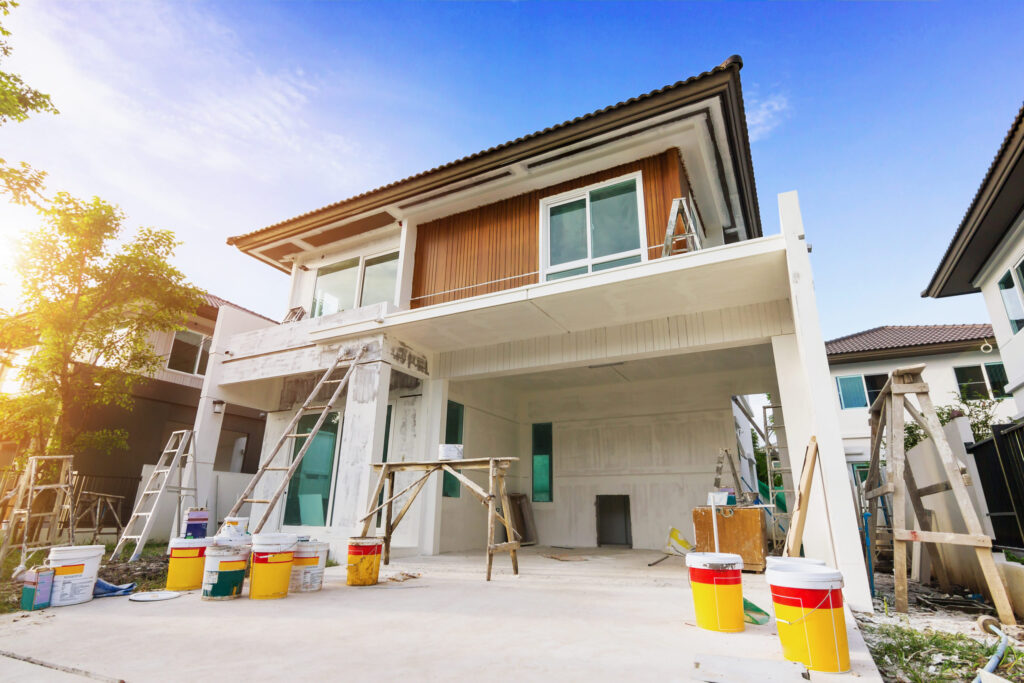
For most fix-and-flip projects, hard money loans are better because they close faster, focus on the property’s after-repair value (ARV), and fund renovations. Bank loans offer lower interest rates but move slowly and require strict income documentation. Investors who need speed and rehab funding typically choose hard money.

What Is a Hard Money Loan?
A hard money loan is short-term, asset-based financing secured by real estate. Approval is primarily based on:
- Property value (current + ARV)
- Loan-to-cost (LTC)
- Scope of work
- Comparable sales
- Exit strategy
Hard money is commonly used for:
- Fix & flips
- Value-add projects
- Distressed properties
- Construction and ADU builds
In Washington State, lenders like Pacific Equity & Loan provide:
- Hard money lending
- Construction financing
- ADU lending
These programs are structured specifically for investors, not owner-occupied buyers. (investopedia.com)

What Is a Traditional Bank Loan?
A traditional bank loan is is long-term and income-based.
Banks prioritize:
- Credit score
- Debt-to-income ratio
- W-2 income or tax returns
- Employment history
- Stable property condition
They are ideal for:
- Primary residences
- Stabilized rental properties
- Long-term buy-and-hold strategies
They are generally not designed for short-term flips. (consumerfinance.gov)

The Critical Difference between Hard Money Loan and Traditional Bank Loan
Hard Money
- 5–15 business day closings (varies by file)
- Streamlined underwriting
- Fewer documentation layers
- Built for competitive markets
Bank Loans
- 30–60+ day closings
- Multiple underwriting reviews
- Employment verification
- Appraisal delays
In competitive Washington State markets, speed often determines whether you win or lose a deal.
If you’re analyzing a property now, submit it here: https://pacificequityloan.com/full-pre-qual/
Renovation & Construction Funding
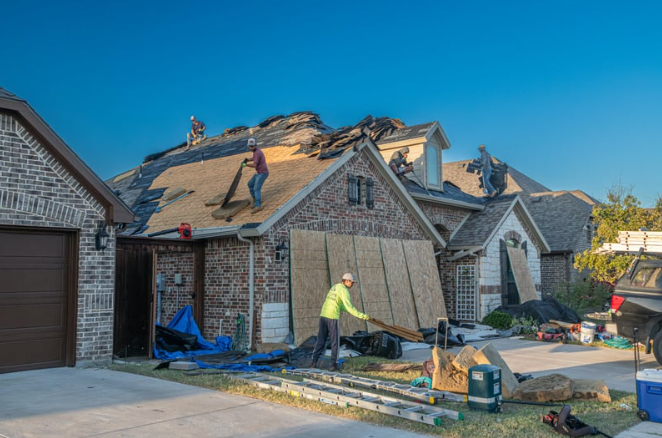
Hard Money Covers:
- Purchase price
- Rehab costs
- Draw schedules tied to milestones
- Ground-up construction
- Accessory Dwelling Units (ADUs)
Learn more about ADU financing here:
👉 https://pacificequityloan.com/adu/
Banks Often:
- Require property to be habitable
- Avoid heavy rehab
- Separate construction financing from traditional mortgages
This makes bank loans difficult for distressed or value-add properties. (fdic.gov)

When to Choose Each Option
Choose Hard Money If:
- You’re flipping
- The property needs rehab
- You need fast closing
- You’re building multiple projects
- You’re financing construction or an ADU
Choose a Bank Loan If:
- You’re holding long-term
- Property is stabilized
- You have strong documented income
- Timeline is flexible
Many Washington State investors use hard money for acquisition and rehab, then refinance into long-term financing after stabilization.
To review your deal:
- Submit your project:
https://pacificequityloan.com/full-pre-qual/ - Contact the team directly:
https://pacificequityloan.com/contact/
Sources:
Pacific Equity and Loan, Investopedia, Consumer Financial Protection Bureau – Mortgage Basics, FDIC – Real Estate Lending Guidelines, Avon River Ventures