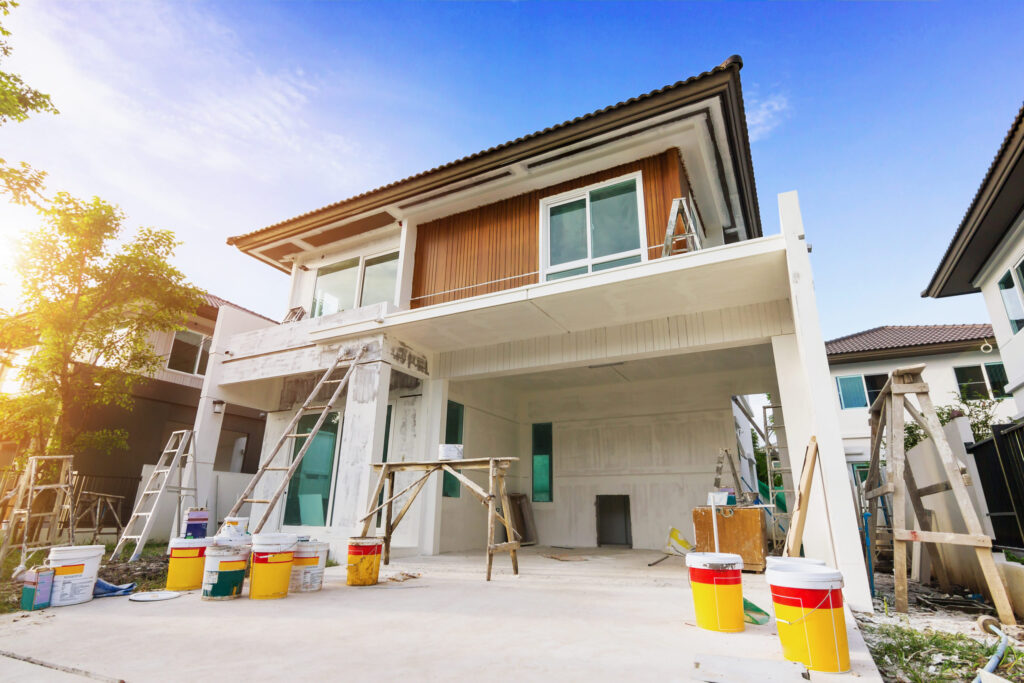

Yes, investors in Washington State can build accessory dwelling units (ADUs) on rental properties. ADUs can increase rental income, improve property value, and provide flexible housing options. However, you’ll need to meet local zoning rules, obtain permits, and secure funding. Pacific Equity & Loan can help with hard money and construction loans specifically designed for ADU projects in Washington State.

What is an ADU?
Accessory Dwelling Unit (ADU): A small secondary housing unit on a single-family or multi-family lot.
Types of ADUs:
- Attached ADU (AADU): Within or attached to the main house
- Detached ADU (DADU): Separate structure on the property
- Conversion ADUs: Existing space converted into a livable unit
- New Construction ADUs: New space built from the ground up and can be either attached to the main residence or detached as a standalone unit. (snapadu.com)
Purpose: Provides rental income, housing flexibility, or housing for family members.
Learn more about ADUs on our ADU Page

Why Investors Are Interested in ADUs
Investors see ADUs as a way to:
- Increase Rental Cash Flow: Separate units can be rented long‑term or as short‑term rentals
- Boost Property Value: Adding quality living space generally raises resale value
- Maximize Land Use: Especially in urban or desirable neighborhoods
- Hedge Against Vacancy: Multiple units can lower the risk of empty rental income streams
Recent market data shows ADU permitting activity rising significantly in urban areas like Seattle, an indicator of growing investment potential. (axios.com)

Washington State Rules That Make ADUs Investor‑Friendly
Game-Changing Laws
- HB 1337: 2 ADUs per lot that allows single family homes in UGAs
- HB 1110: 4-6 units on residential use lots
- Local zoning restrictions overridden by state law
- Parking requirements significantly reduced or eliminated
Financing ADU Construction
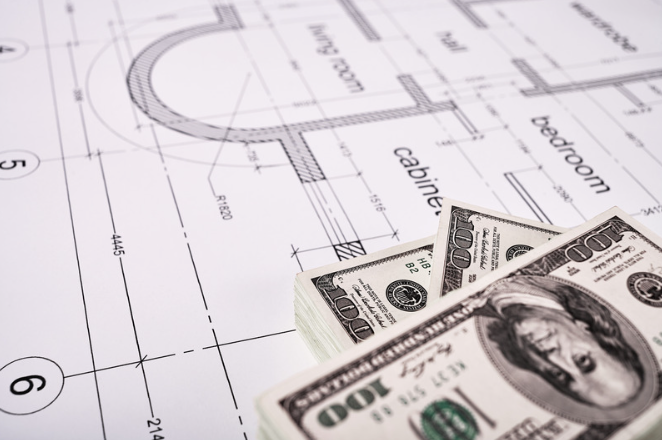
Building an ADU involves hard and soft costs, including construction, permits, design, and contractor fees. These can add up quickly, often exceeding what traditional mortgages will cover. (godwin-gc.com)
Most investors use:
- Hard money loans: Short‑term, asset‑based funding
- Construction loans: Finance build costs during construction
- Cash‑out refinancing or HELOCs: Turn equity into working capital
Specialized ADU loan options also exist, but not all lenders provide them. (aduloanfinder.com)
How Pacific Equity & Loan Helps With Your ADU Project
Pacific Equity & Loan offers tailored lending for investors taking on ADU projects:
Building an ADU requires more than funding, it needs planning, feasibility checking, and proper financial structuring. Our ADU program is designed to help investors move from idea → analysis → construction → profit with confidence.
Free Property Review & Feasibility Test
We start with a free property review to check zoning, setbacks, and ADU eligibility. This helps investors avoid costly mistakes before committing to construction.
- Deal Numbers & Project Cost Analysis
Our team runs the numbers to see if the project is financially viable. We review construction costs, expected returns, and financing structure, including low down payment options.
- Guidance From Planning to Construction
We help investors understand loan terms, project timelines, and possible partners such as contractors or permit specialists to keep ADU projects moving smoothly.
- Fast Transition to Funding
Once feasibility and deal analysis are complete, we move quickly toward approval and funding. Our goal is to provide flexible hard money financing that supports your investment strategy.
Submit your ADU project directly via our project submission page. https://pacificequityloan.com/adu-project-submission/
Sources:
Pacific Equity and Loan, Adu Loan Finder, Godwin GC, Jaken Finance Group, Washington State Department of Commerce, Axios Seattle, Snapadu