A successful real estate investment isn’t just about finding the right property.
It also depends on what happens after the deal is under contract: how well the project is planned, how realistic the budget is, how effectively the team communicates, and how quickly problems are addressed.
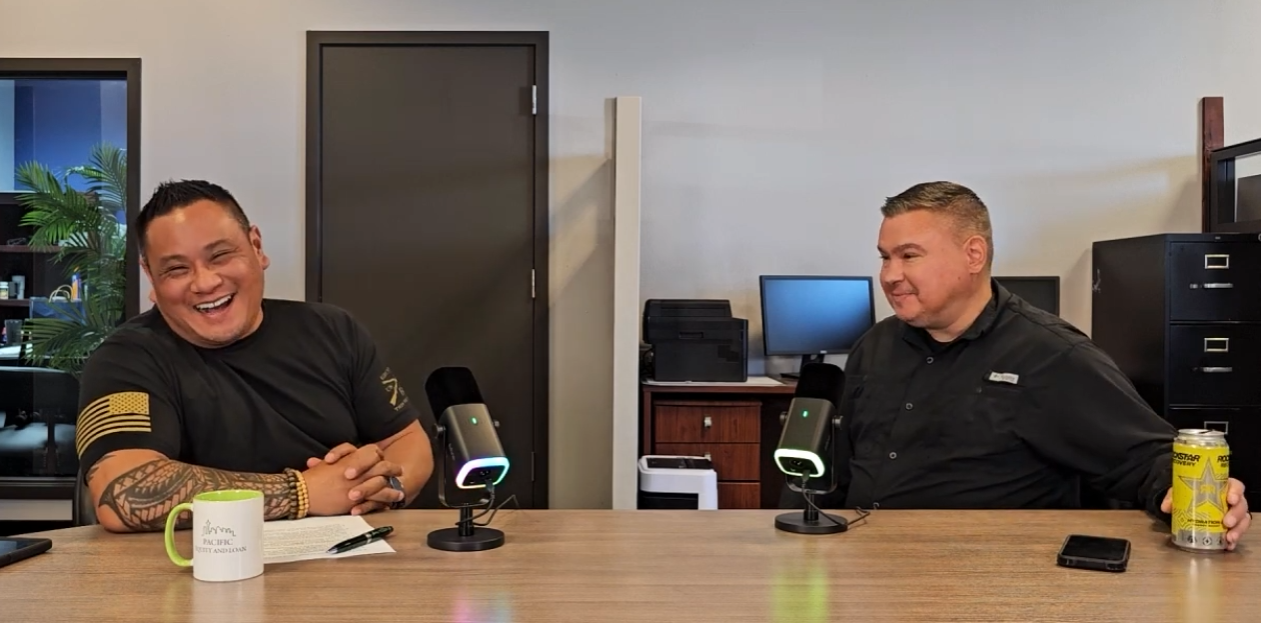
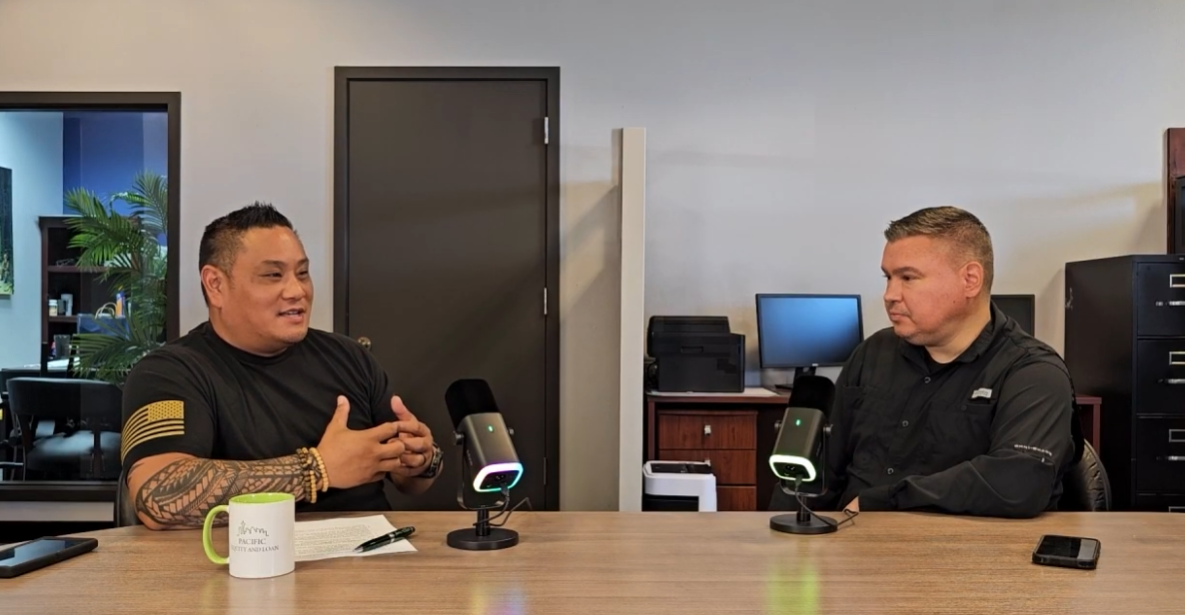
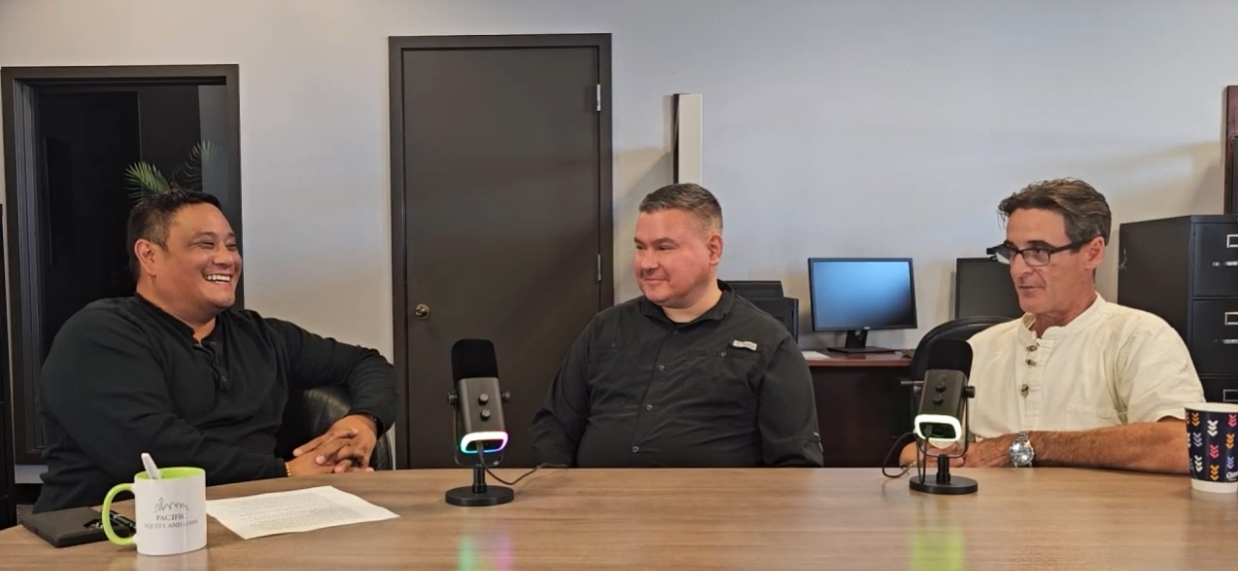
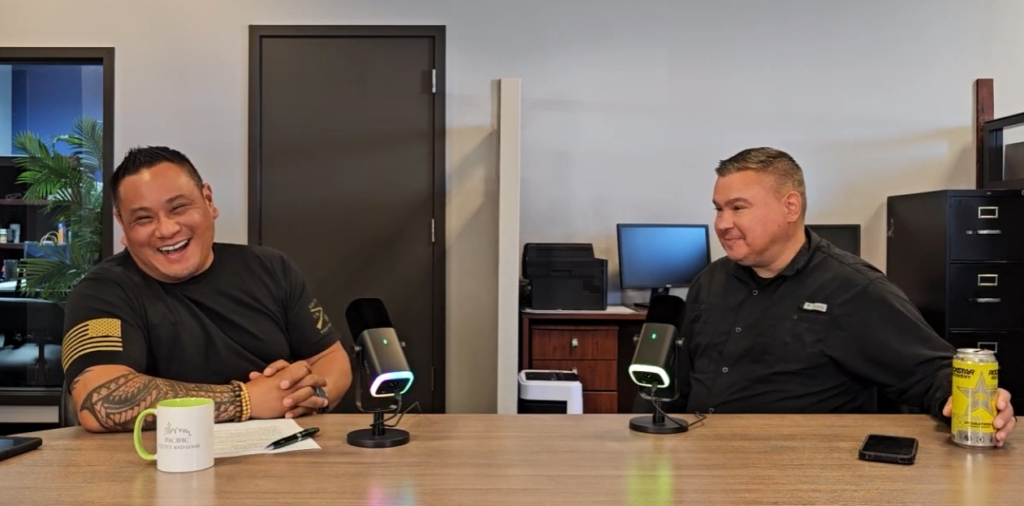
In a recent Pacific Equity and Loan podcast episode, Jason Rariden shared lessons from his years in construction, project management, and lending. His advice offers practical takeaways for investors working on fix and flip and new construction projects.
From building realistic budgets to maintaining a professional job site, here are some of the biggest lessons investors can apply to their next project.
🎥 Want to hear the full conversation? Watch the complete podcast on our YouTube channel. https://www.youtube.com/watch?v=rj04BAO-YDg&t=4s

A Budget Needs to Tell the Full Story
A construction budget should do more than provide a single dollar amount for a line item.
For example, if a new construction budget lists 26 windows with a $75,000 allowance, the investor should be able to explain where that number comes from.
Detailed estimates, bids, invoices, or other supporting documentation can help establish whether the budget reflects the actual project.
This isn’t only beneficial to the lender.
A well-supported budget can help the investor identify potential problems before construction starts.
At PEAL, Jason’s construction background allows him to look at budgets from a builder’s perspective and ask questions when something doesn’t appear to align with the scope or expected costs.
Keep Your Job Site Professional
Something as simple as job-site organization can make a difference.
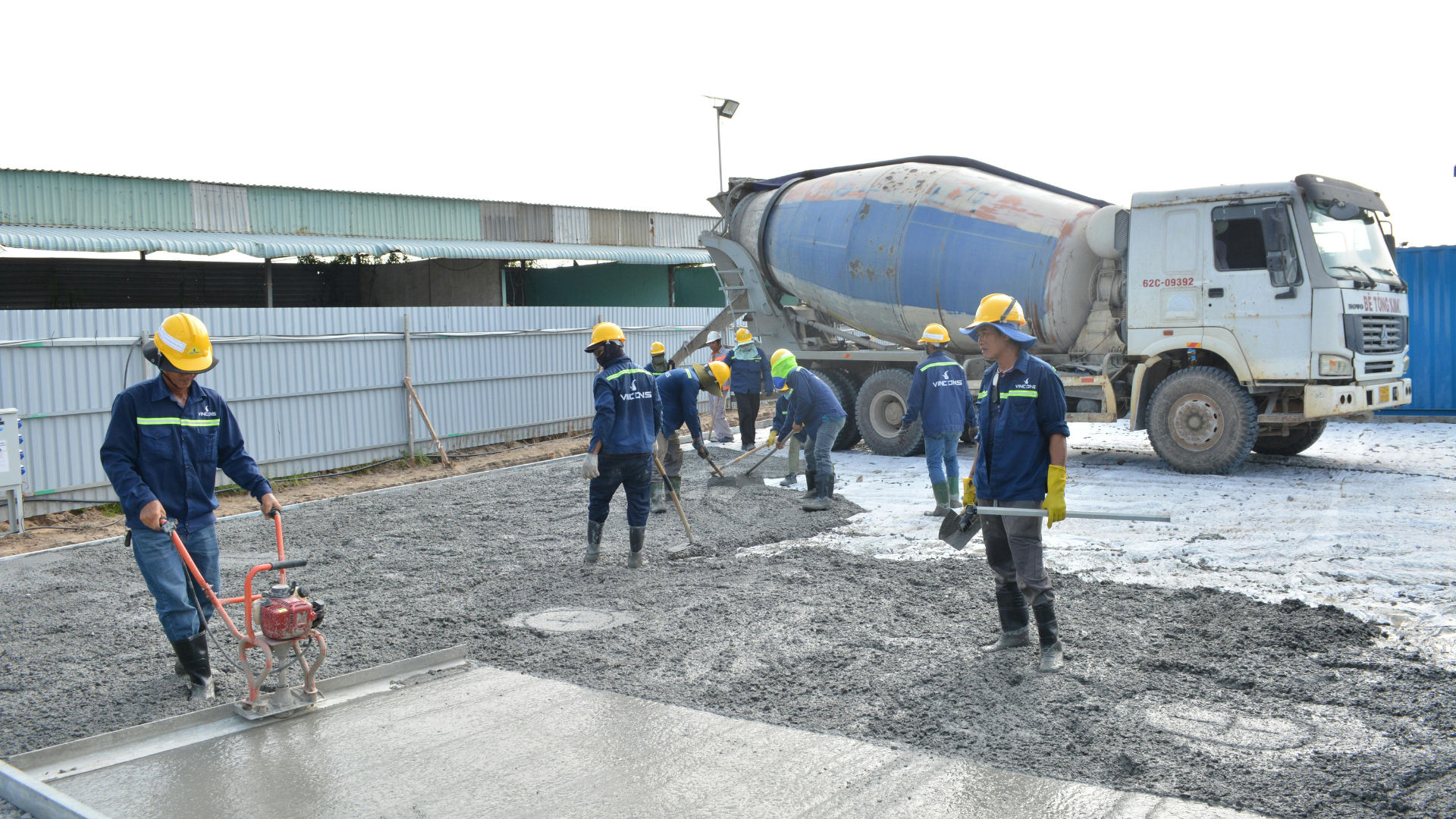
Jason explains that when an inspector, appraiser, or draw inspector arrives at a clean, organized, and professional job site, it can immediately demonstrate that the project is being managed seriously.
On the other hand, a disorganized or unsafe site can create additional concerns and potentially lead to more questions, delays, or inspection issues.
For investors, maintaining a professional job site means more than keeping things tidy. It includes:
- Properly staging materials
- Maintaining safe working conditions
- Keeping debris under control
- Organizing completed work
- Making progress easy to understand
- Addressing issues before inspections
Your job site is part of your project presentation.

Problems Get Worse When Communication Stops
One of Jason’s strongest messages for investors is the importance of transparency.
When something goes wrong, it’s tempting to try to solve everything privately before telling anyone else.
But waiting can make the problem harder to solve.
If a contractor discovers an unexpected issue, if a project falls behind schedule, or if costs change, communicating that information early gives the entire team an opportunity to respond.
Jason’s approach is straightforward:
Put the problem on the table, explain what happened, and communicate what you’re doing to solve it.
That type of communication can help investors, contractors, and lenders work toward a solution together.

Learn From Projects That Don't Go as Planned
Not every investment project will be a success story.
Jason shares an example of a difficult condominium project that experienced repeated inspection problems, engineering issues, traffic-control challenges, schedule delays, budget overruns, and strained relationships.
The project ultimately finished over budget and behind schedule.
But Jason considers the experience valuable because he learned from it and refused to walk away.
His broader lesson is that investors should learn from difficult projects instead of allowing them to define their entire career.
Every project can provide information that helps you make better decisions on the next one.

Keep Learning as the Market Changes
Construction and real estate investing are constantly evolving.
Building codes change. Construction methods change. Technology changes. Costs change. Market conditions change.
Jason describes himself as a student of the game, emphasizing the importance of learning from architects, engineers, consultants, contractors, and other experienced professionals.
For investors, that means experience should not lead to complacency.
Your first flip can teach you something.
Your fifth project can teach you something different.
And your next project may introduce challenges you’ve never encountered before.

Scaling Starts From Within
For investors who want to grow their real estate business, Jason offers another important lesson: build internal capacity before aggressively pursuing external growth.
Taking on more projects doesn’t automatically mean your business is scaling successfully.
If your team, systems, capital, contractors, or processes aren’t ready to support additional volume, growth can create problems instead of solving them.
Before taking on more projects, ask:
Do we have the people, systems, and processes to execute them?
Growing sustainably can help prevent overpromising and underdelivering.

How PEAL Can Help
For investors pursuing qualifying fix and flip or new construction projects, PEAL provides business-purpose financing while bringing a project-focused approach to the lending process.
The team looks beyond the loan amount and considers the broader investment plan—including the project’s scope, budget, timeline, and execution.
Jason’s construction background adds another layer to that process by helping bridge the gap between construction language and lending language.
That can help investors better explain their project and identify potential issues before construction begins.
👉 Contact Our Team: https://pacificequityloan.com/contact/

Watch the Full Podcast
There’s much more to Jason’s story than we can cover in one article.
In the full Pacific Equity and Loan podcast episode, Jason discusses his construction career, his law enforcement background, project management experiences, difficult projects, construction budgets, job-site organization, communication, scaling a real estate business, and what investors can do to build stronger relationships with their lenders.
Watch the full episode to hear Jason’s insights directly and learn more about the mindset behind successful project management. https://www.youtube.com/watch?v=rj04BAO-YDg&t=4s

Final Key Takeaway
Real estate investing isn’t always about having a perfect project.
It’s about planning carefully, communicating honestly, adapting when things change, and continuing to learn.
Before starting your next investment project, take the time to review your numbers, build your team, create a realistic schedule, and understand your financing.
Because the strongest projects aren’t necessarily the ones without problems.
They’re the ones where the team is prepared to recognize the problems, communicate about them, and keep moving toward the finish line.
Planning your next fix and flip or new construction project? Connect with Pacific Equity and Loan to discuss your project and financing needs.
👉 Get Pre-Qualified: https://pacificequityloan.com/full-pre-qual/
👉 Contact Our Team: https://pacificequityloan.com/contact/