
Investors have multiple financing options, including hard money loans and DSCR (Debt Service Coverage Ratio) loans. Hard money loans are short-term, asset-based, and fast, while DSCR loans focus on property cash flow and long-term investment viability. Understanding these differences helps investors choose the right financing for flips, construction projects, or rental properties. (investopedia.com)

What Are Hard Money Loans?
Hard money loans are short-term, asset-based loans typically used for fix-and-flip projects, construction, or investment properties. Lenders evaluate more about the property’s value and exit strategy, and less about the borrower’s credit or income. These loans are ideal for investors who need quick access to capital to secure time-sensitive deals (hardmoneyhome.com).
Although higher in cost than conventional loans, hard money loans provide flexibility and speed, making them perfect for rehab projects, flips, or small construction projects. Their short-term nature allows investors to act quickly without waiting for traditional bank approvals (investopedia.com).

What Are DSCR Loans?
DSCR (Debt Service Coverage Ratio) loans are based on the property’s income-generating ability rather than borrower credit. Lenders calculate the ratio of net operating income (NOI) to debt obligations. A DSCR greater than 1 indicates the property produces enough income to cover its debt (investopedia.com).
These loans are typically longer-term than hard money and are suited for buy-and-hold investors who rely on rental income. DSCR loans usually have lower interest rates than hard money loans but require detailed financial documentation and stable cash flow (investopedia.com).

Key Differences Between Hard Money and DSCR Loans
The main difference lies in underwriting focus and loan purpose. Hard money loans prioritize property exit strategy and speed, making them perfect for short-term flips, rehabs, and construction projects. They are higher-cost but allow fast approvals with minimal credit checks (hardmoneyhome.com).
DSCR loans, on the other hand, focus on sustainable cash flow. Lenders evaluate income, operating expenses, and debt coverage ratios. These loans are ideal for long-term rental or commercial investments where consistent income offsets debt obligations (investopedia.com).
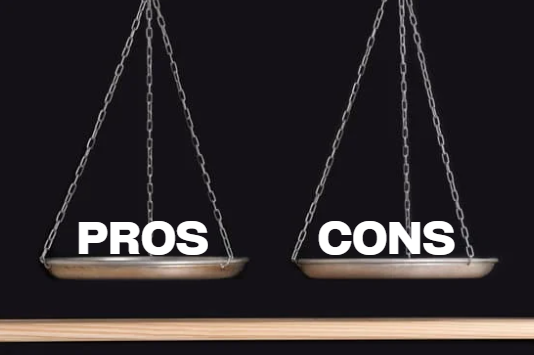
Pros and Cons for Investors
Hard Money Loans:
- Pros: Fast, flexible, asset-based, minimal credit focus
- Cons: Higher interest rates, short-term, upfront capital often required
DSCR Loans:
- Pros: Lower interest rates, long-term, ideal for income-generating properties
- Cons: Slower approval, requires consistent cash flow, more documentation
Choosing the right loan depends on investment horizon, risk tolerance, and capital structure (investopedia.com).

Why Investors Choose Pacific Equity & Loan
At Pacific Equity & Loan, we focus exclusively on hard money financing for serious real estate investors. We are not a bank and we do not offer DSCR loans, we are a capital partner built for investors who move fast.
Why PEAL?
✔ Fast, reliable closings
✔ Flexible, deal-based underwriting
✔ Experienced in flips, ADUs, and construction
✔ Clear, streamlined process
In competitive markets, speed and certainty matter and that’s exactly what we deliver.
Who We Work Best With
Our ideal borrower is an active investor who:
- Is completing fix-and-flip or construction projects
- Is comfortable with short-term financing
- Has a clear exit strategy
- Is focused on scaling and doing multiple deals
Sources:
Investopedia, Hard Money Home, J.P Morgan, Newsilver

FAQs: Hard Money vs DSCR Loans
1. Which loan type closes faster?
2. Are DSCR loans regulated differently?
3. Can I use hard money for ADU projects?
4. Which is cheaper in the long term?
5. Can I switch from a hard money loan to a DSCR loan?
Key Takeaways
Hard money and DSCR loans each serve distinct purposes. Hard money is best for short-term, asset-based projects requiring speed and flexibility, while DSCR loans suit income-generating, long-term investments. Understanding these differences helps investors align financing with project goals and risk tolerance.
Financing Your Investment With Pacific Equity & Loan
Investors often work with lenders who understand hard money and can structure funding around specific project goals. Pacific Equity & Loan offers customized investment financing for flips, construction projects, ADUs, and rental properties. With experience in both loan types, PEAL helps investors move on opportunities quickly while staying compliant.
Submit your project via our Project Submission page or Contact us to explore funding options.